
Women and Water
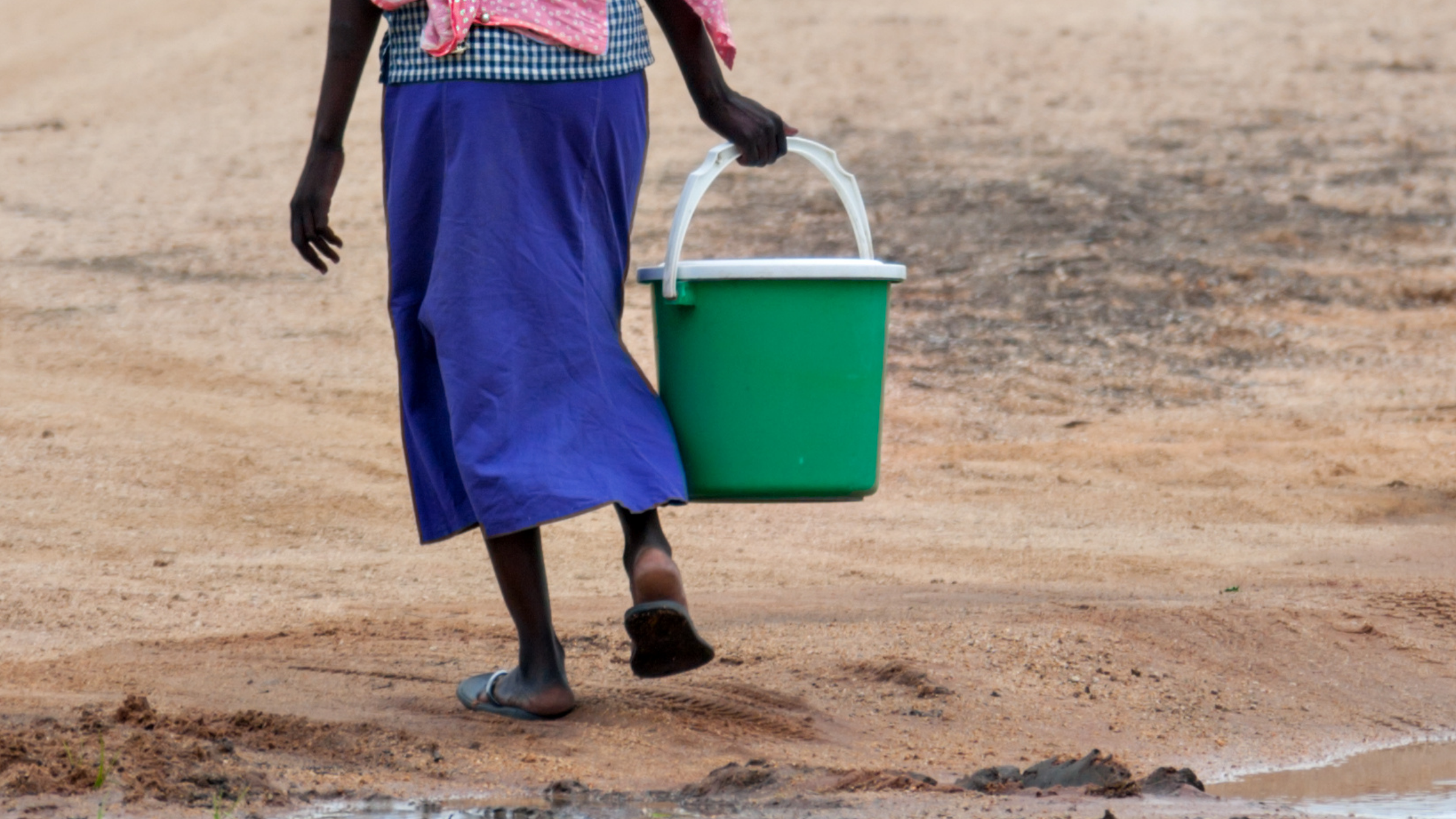
Environmental degradation, water scarcity, and resource strain are experienced differently by people of different gender identities because of the socially constructed norms, roles, and responsibilities societies assign to them at birth based on their biological sex. Women around the world often bear primary responsibility for water collection, cooking, household care, childcare, and care for the elderly, exposing them to disproportionate unpaid labor burdens, health risks, decreased capacity for income-generation, and opportunity costs when environmental conditions worsen (IPCC, 2022; UN Women, 2023).
To mark International Day of Action for Women's Health, Health In Harmony’s Dr. Farah Nabil explains why women's well-being is an important determinant of planetary health, particularly in the rainforest communities where gender inequalities, environmental pressures, and women's health intersect.
Women and water in Madagascar
Based on Health In Harmony’s recent research, women and girls in southeastern Madagascar’s Manombo Rainforest are significantly affected by gender inequalities in water collection responsibilities, where they carry out 96% of water fetching. Adult women were responsible for 66.7% of all water collection, and girls for 29.2%. No adult men were reported as primary water fetchers, and there were only 4.2% of instances involving male children.
When community members were asked why specific household members were responsible for fetching water, the answers revealed how gender roles are socially constructed rather than biologically determined. 77% of answers explicitly referenced the act of caretaking as being feminine by default. Being a caretaker, being a mother, or simply “being a woman” was the reason behind the overwhelming feminization of water-collection chores. Discussions with the communities possibly confirm that water collection is understood as unpaid care work, embedded thus in social expectations of femininity rather than choice or efficiency.
Time and physical demands
Water-fetching in the Manombo Rainforest is a labor-intensive and time-consuming process that women and girls have to carry out daily. On average, across the 60 surveyed households, adult women spend 1 hour per day fetching water, while girls spend approximately 1.5 hours daily. Each water-fetching trip takes an average of 26.9 minutes, and containers used to carry water average 42.5 liters, equivalent to 40–45 kilograms, all transported on foot. The research confirms that 100% of households rely on walking as the sole means of water transport, meaning these heavy loads are carried multiple times per day across uneven terrain. This data is on the upper end of what other studies from Madagascar have shown, where in half of the households, women and girls were reported to spend more than 30 minutes per day collecting water (WHO and UNICEF, 2023). Data from rural regions report a higher number, with around 14 hours a month (Boone et al., 2011). Manombo’s data exceeds both thresholds. We can speculate that this is due to its very remote location, which can demonstrate in practice how gender, geographic location, and health intersect very vividly to impact women and girls’ quality of life in rainforest contexts.
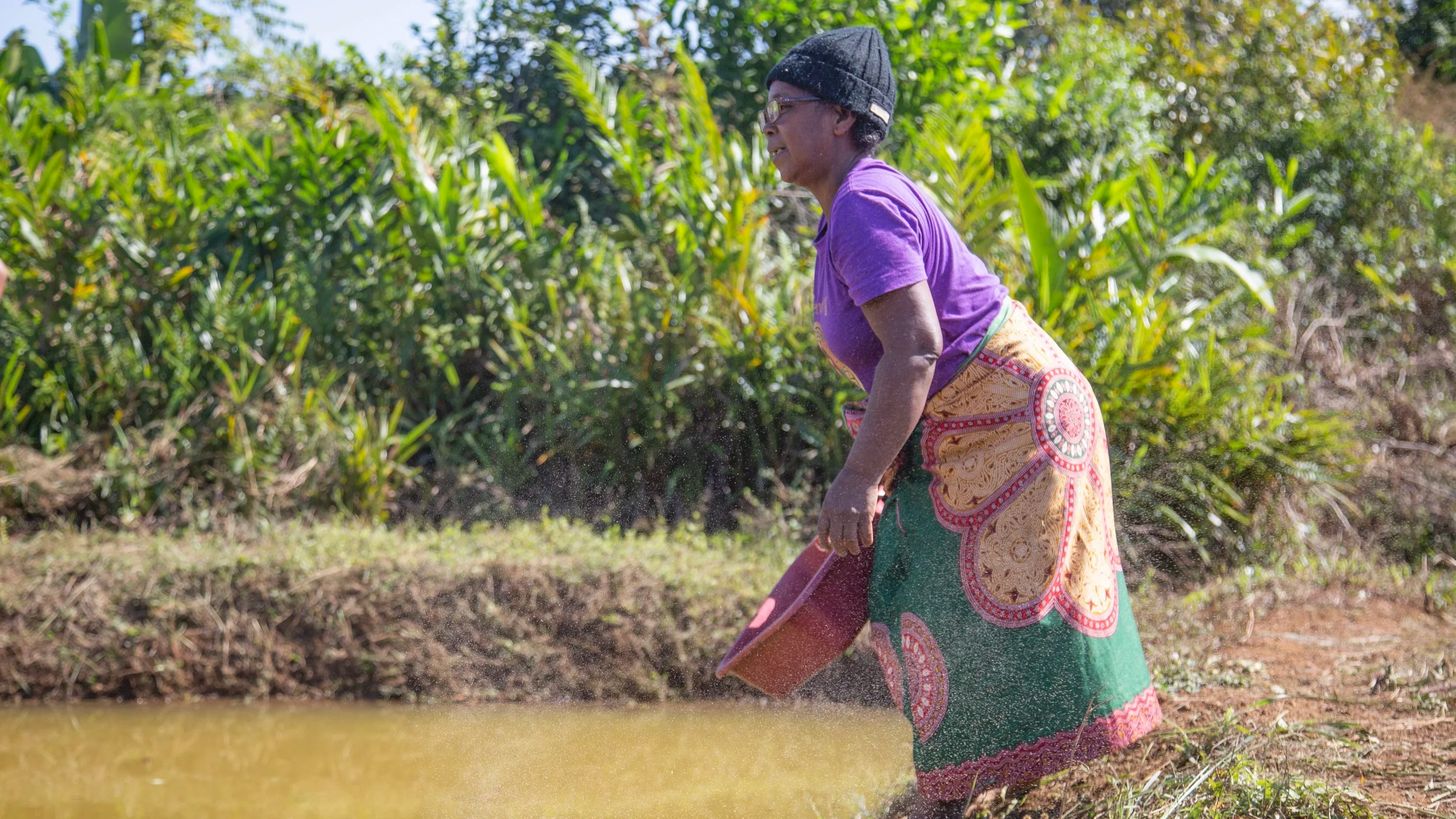
While women bear the physical burden of water collection, they also carry responsibility for water management decisions within the household. In 98.3% of cases, adult women bore the mental load of treating and storing drinking and cooking water, demonstrating that water governance at the household level is feminized as both labor and responsibility.
The physical demands and time-poverty consequences of water collection are not the only risk. A growing body of peer-reviewed evidence documents the link between water insecurity and gender-based violence (GBV). A global review of 18 studies found that the risk of sexual and physical violence during long walks to water sources is the most commonly reported form of water-related GBV, followed by intimate partner violence linked to women's inability to meet domestic water obligations (Tallman et al., 2023). These risks increase even more when water access is unreliable, when women and girls must travel further or later in the day to find water sources, especially during dry seasons, which are now erratic in light of the climate crisis UNESCO's 2026 World Water Development Report specifically identifies "heightened vulnerability to gender-based violence" as a consequence of the water-collection burden borne by women and girls (UNESCO, 2026). Researchers have even proposed the term "gender-based water violence" to capture the full spectrum of the water-related stressors that threaten women's safety, autonomy, and health (Tallman et al., 2024).
Water, health, and environmental pressures
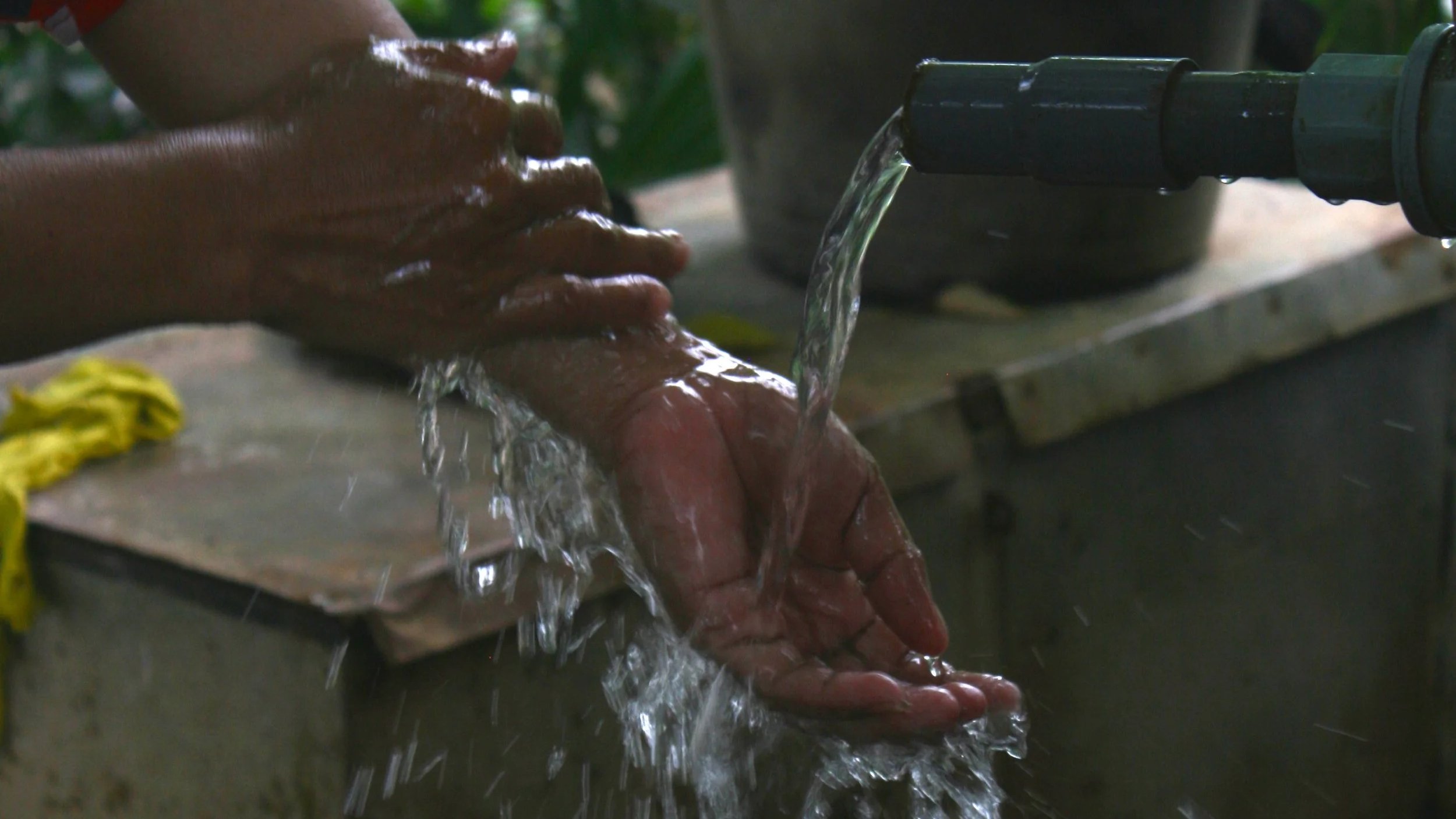
Most households (73.3%) report treating drinking water, almost exclusively through boiling (97.7%), which is done an average of three times per day using firewood in 100% of cases. This single practice ties women's water labor directly into forest use, women's health, and household time in ways that compound rather than offset. This data is consistent with nationwide studies showing that more than 99% of households in Madagascar use firewood or charcoal as fuel for cooking, and that kitchen-related household air pollution is the second leading cause of illness in Madagascar (IHME, 2010). The burning of that wood happens indoors, multiple times a day. Globally, indoor air pollution from solid-fuel cooking is one of the leading causes of premature death among women and children, contributing to chronic respiratory disease, eye damage, and lower birth weights (WHO, 2023). In Manombo, the act of sanitizing water for the family is a gendered caregiving responsibility that exposes the women performing it to a slower, less visible health harm, layered on top of the physical strain of the water-fetching that preceded it. Not to mention that the wood comes from the surrounding Manombo rainforest, so every pot of water that needs to be safe for drinking adds pressure to an ecosystem already under stress, and adds another extraction trip to women's already-saturated day.
On top of the health and environmental impacts, there is the time consumed. Boiling three times a day, in addition to at least an hour of daily water fetching, is a considerable (unpaid) labor burden that falls almost entirely on women and girls.
On the other hand, our data shows that over one quarter of households do not treat drinking water at all, and among them, lack of time is the most frequently cited reason. This is an example of how time-poverty, gender roles, and a lack of access to resources intersect to affect health outcomes.
This is further compounded when a family member falls ill, as caregiving for sick family members is itself gendered work that befalls women by default, adding to the same time deficit that drove the inability to treat water in the first place. Meanwhile, the deforestation that fuelwood extraction contributes to feeds back into local hydrology, making future water access more precarious during the dry season and more contaminated during the rainy one.
This is a perfect demonstration of how gender is embedded into every aspect of planetary health, and that gender considerations cannot be considered optional. This feedback loop between unpaid labor, exposure to health risks, and environmental degradation is shaped by unequal gender roles, norms, and responsibilities. Closing the gap means not only making infrastructure improvements but understanding and addressing the gender inequalities that uphold it.
Shared solutions
Taken together, the baseline data show that water access in Manombo is not gender-blind. It is structured through socially enforced gender roles that assign women and girls primary responsibility for physically demanding, time-intensive, potentially dangerous, and environmentally consequential labor.
Working beside local communities, Health In Harmony’s Madagascar affiliate partner HIH-FAMI installed 90 rainwater harvesting systems in the Manombo Rainforest area, which directly aim to alleviate these disproportionate gendered burdens on women and girls.
However, we must also note that the burden reduction resulting from this initiative does not necessarily eliminate the gender inequalities. This effort can provide significant benefits and quality of life improvements to women, men, nonbinary individuals, and children in the community. Yet, equality would require structural shifts in the division of labor, power, and resources. Whether the Manombo program produced those structural shifts will need to be assessed in upcoming follow-up surveys. Reducing the time and physical burden of water collection is a precondition for women's broader participation in education, income generation, and community governance, which are outcomes that global evidence has linked to improved water access (Rocheleau et al., 1996). What we can already see is that women's care networks have extended the project's reach, and that 84.4% of installed systems now provide water at WHO low-risk classification.
Environmental degradation, resource use, and ecosystem sustainability cannot be understood or solved without explicitly accounting for the gender dimensions and intersecting sociocultural factors that determine resource access, autonomy, decision-making, environmental costs, and health. In Manombo, this is visible in the daily lives of women and girls whose unpaid labor holds together both household survival and the surrounding ecosystem. FAMI-Health In Harmony's work includes other gender-focused initiatives such as cervical cancer screening and treatment, Black Soldier Fly (BSF) farming to enhance women’s food security and financial autonomy. All this work sits within this same framework: gender equality will directly translate to a reduction of the pressures borne by forests, and vice versa. On International Day of Action for Women's Health, recognizing women as both the most affected by environmental degradation and the climate crisis and the most essential to its reversal is the foundation that all planetary health initiatives should be built upon.