
HIH Researcher Dr. Sabrina Simon Explains Black Soldier Fly Farming in Madagascar
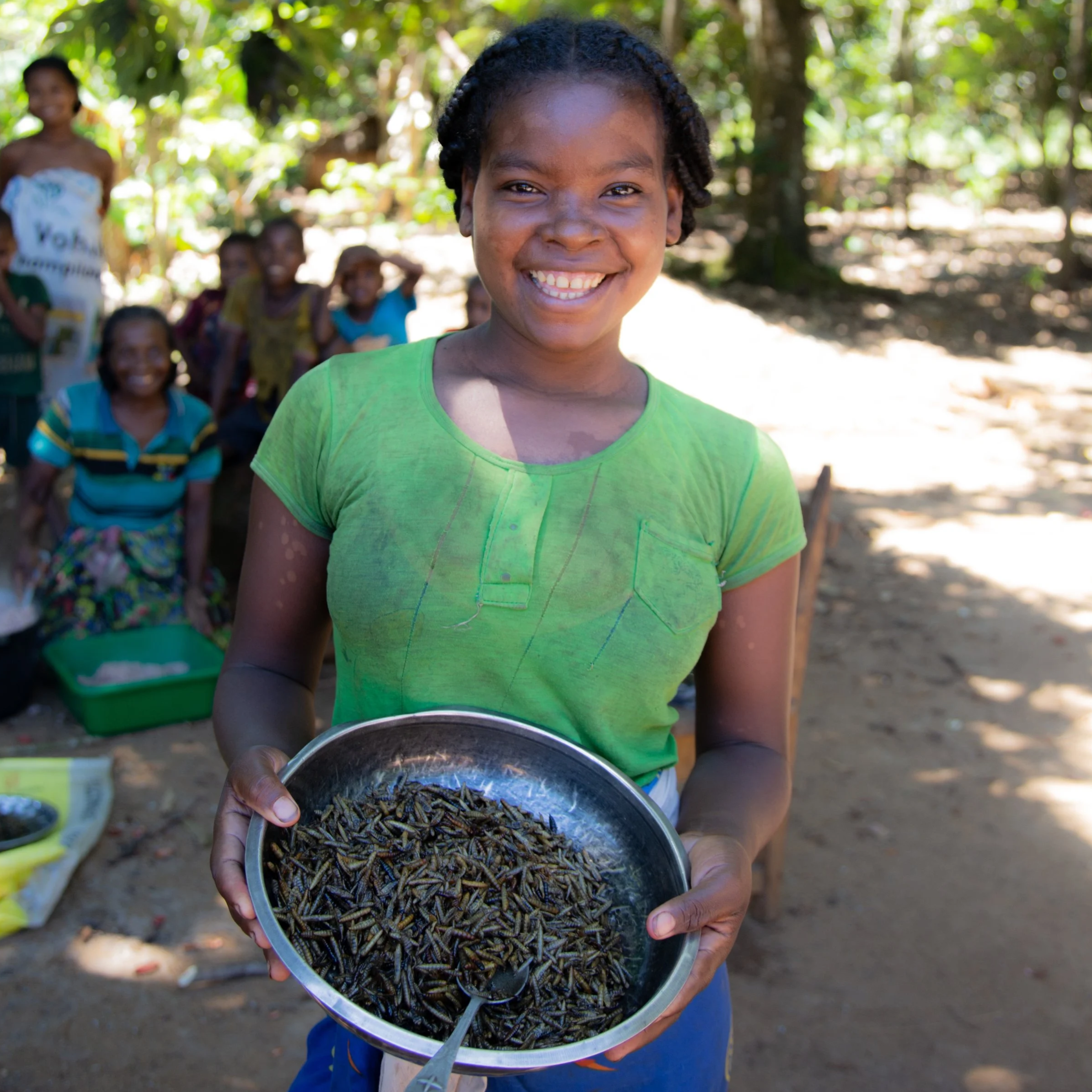
In Madagascar, Black Soldier Fly (BSF) farming is helping to address the interconnected challenges of daily survival and food insecurity, and the environmental outcomes of both, from deforestation to the hunting of endangered wildlife. As a protein source, BSF Farming is tackling Madagascar’s high rates of malnourishment, particularly among children, head on.
According to recently published research led by Health In Harmony and Madagascar Biodiversity Center (MBC), across 70 households, 95% of young people responded positively to BSF-based products, while 90% of participants said they would be willing to farm the insects themselves.
In this interview, Research Associate Dr. Sabrina Simon of Health In Harmony discusses how BSF is an unexpected and innovative solution. By transforming organic waste into a sustainable source of protein, animal feed, and fertilizer, BSF farming offers a practical, low-cost tool that communities can adopt and adapt themselves.
Dr. Simon shares insights from fieldwork around the Manombo Rainforest, where local knowledge, cultural practices, and community-led innovation are driving success.
Why farm BSF and why in Madagascar?
Dr. Sabrina Simon: Poverty is the most important driver of deforestation in Madagascar. So, it makes sense that, using a planetary health approach, livelihoods and nutrition become central pillars for forest conservation. This needs to be addressed amongst populations and communities. Because climate is not just about carbon, it's about people. And that's why we at Health In Harmony radically listen to rainforest communities to get to the core of the problem.
Communities didn't ask specifically for BSF farming because they didn't know that specific solution existed until we introduced them to it. But they had asked for training to improve their agricultural capacities. So it's very clear that food and livelihoods are always at the center of any planetary health approach that will successfully improve forest conservation and climate resilience.
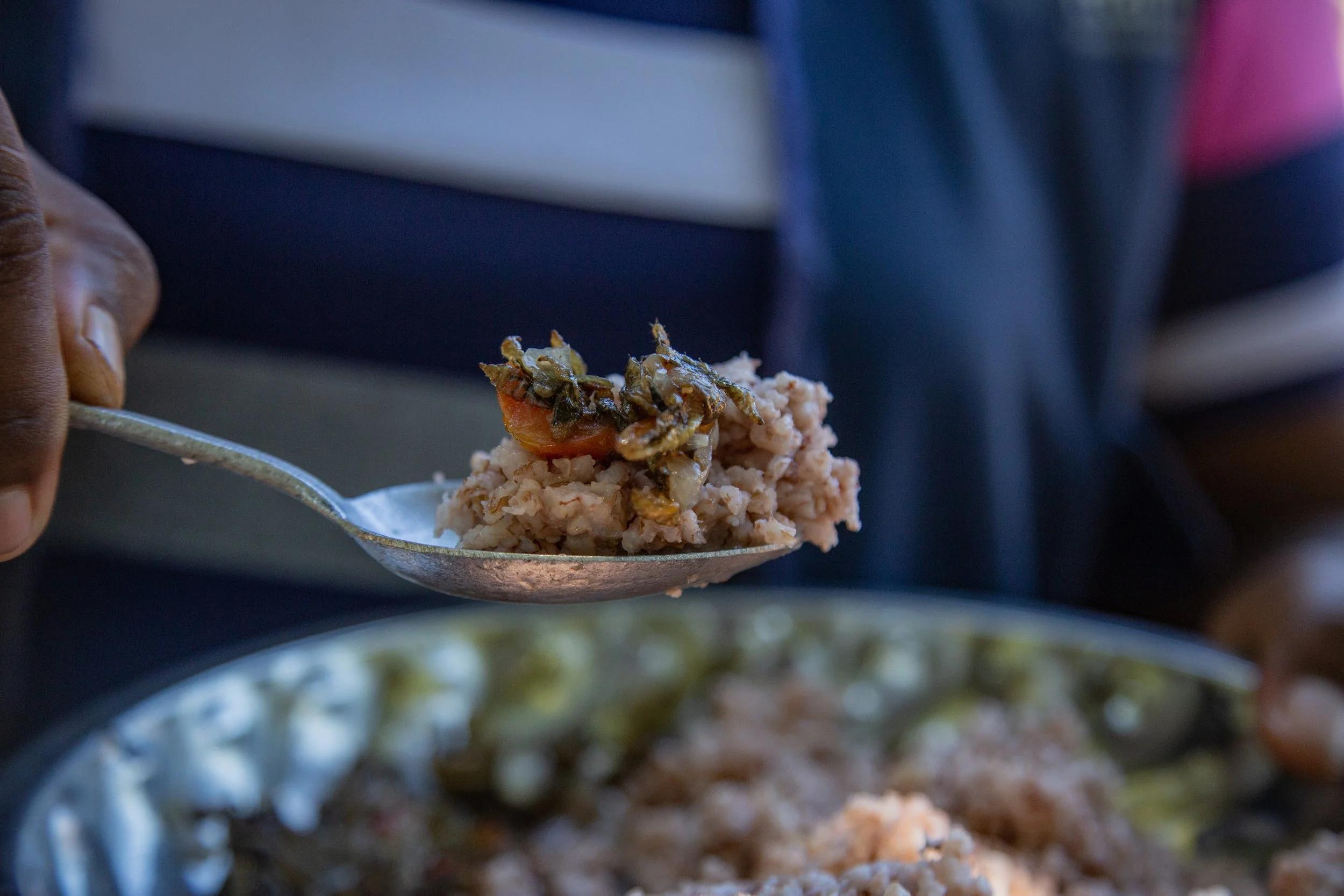
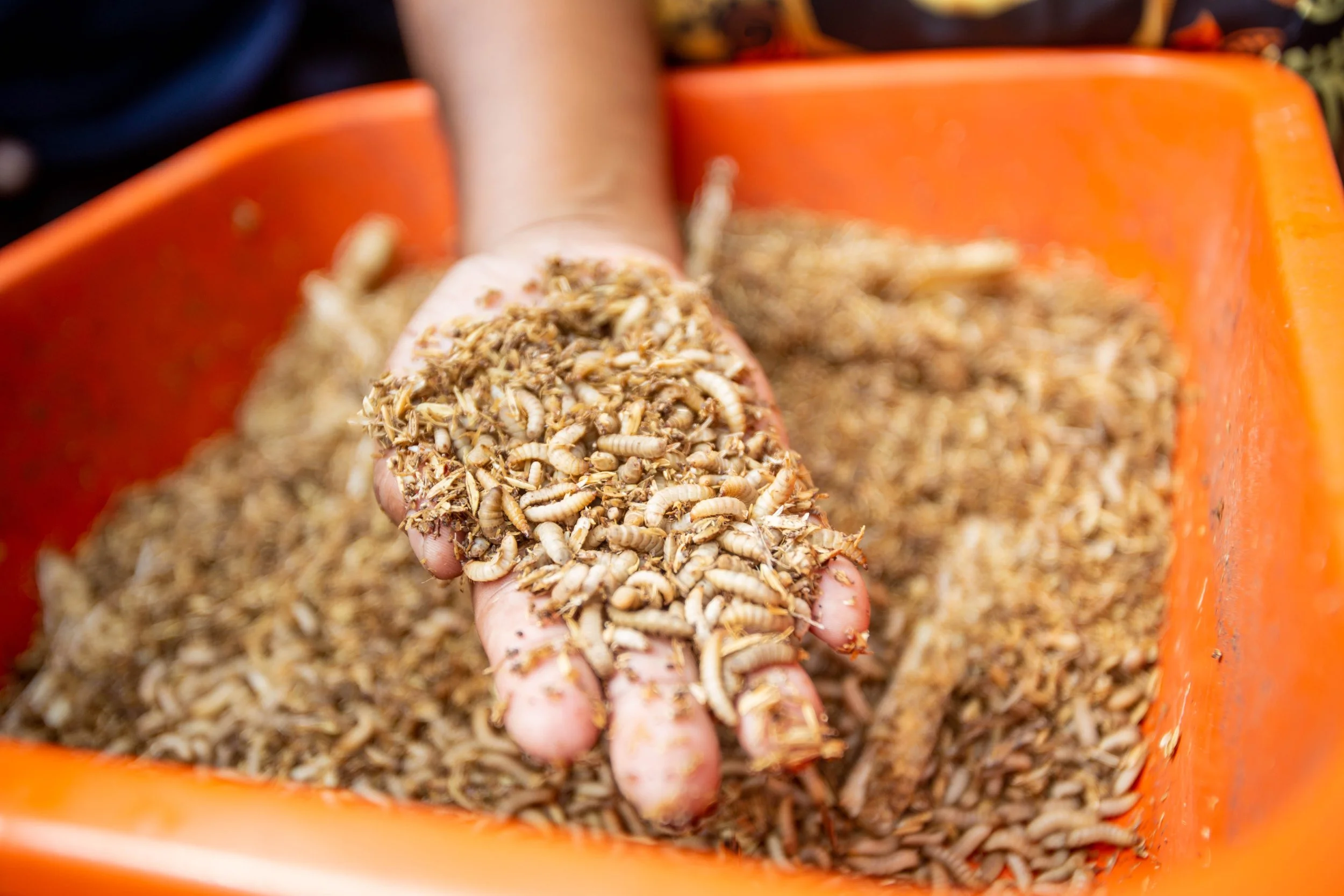
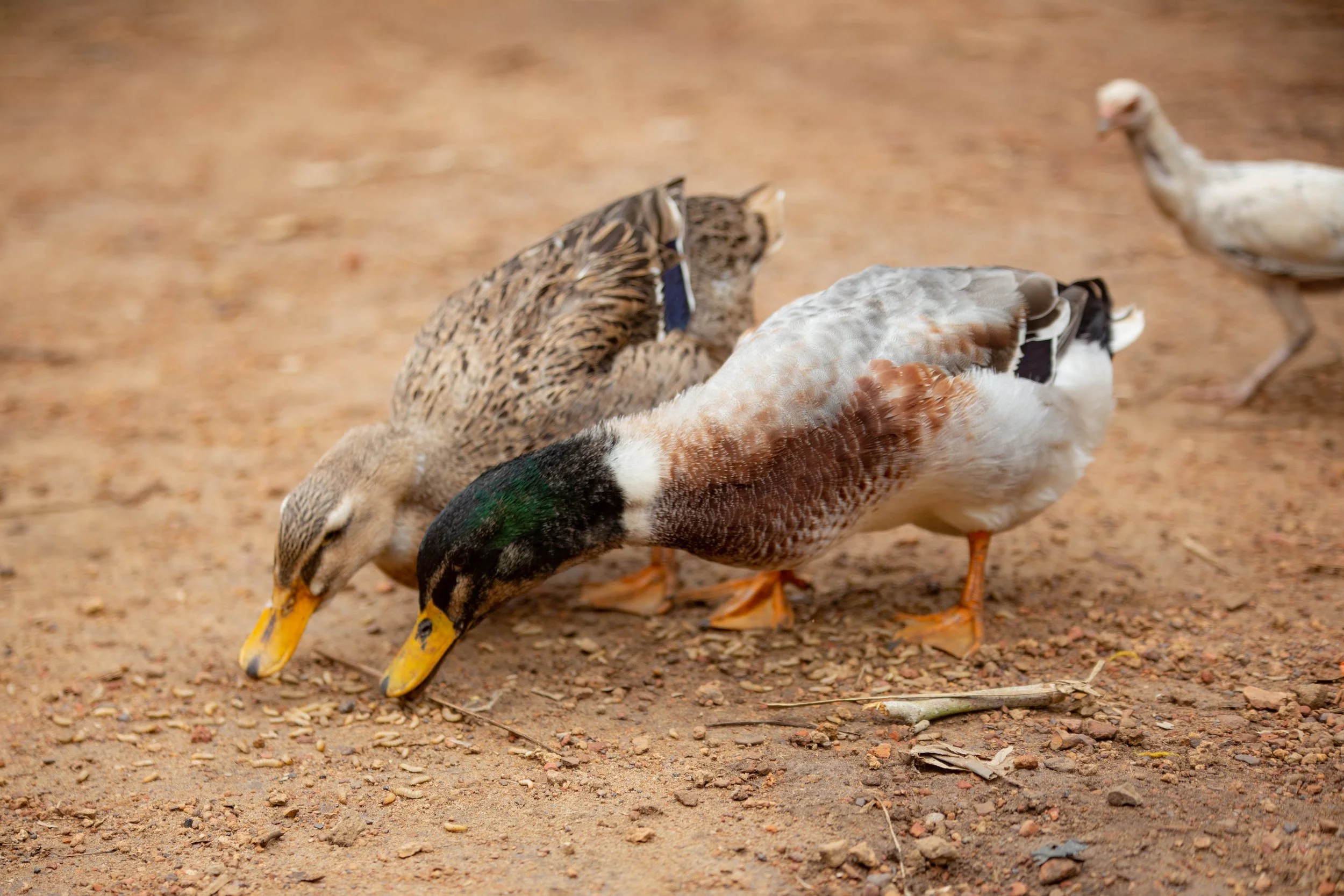
So why BSF in Madagascar? This has been a very innovative but very successful approach in different countries in Africa already. Since Madagascar has entomophagy, which is the practice of eating insects, as an element of their own culture, we figured that this could be a very interesting and practical solution that could fit well into the context of the communities around Manombo Rainforest.
So livelihoods and food are at the center of factors that drive deforestation, and communities wanted a way to address food scarcity.
Dr. Simon: Exactly. We can also add that this solution is a systemic approach because BSF is not just for nutrition. It's a very cheap, very low-cost solution. It costs less than fifty US dollars to set up one individual farm. Then it solves very different and interconnected problems across food systems. For example, BSF feeds on organic waste and provides a very high protein and fat intake for human consumption. It also serves poultry – chickens, ducks, etc – and fish that can feed off BSF larvae. At the same time, communities can use the frass from the flies as a powerful fertilizer, for agriculture and reforestation on their own farms or sell it on to other farms.
In feeding people, animals, and crops, BSF is a very holistic approach. You mentioned that it's very cheap. Once set up, is it easy to manage and maintain a BSF farm?
Dr. Simon: A BSF farm doesn't need any super specialized equipment. But some of the equipment needs to be purchased in a city, such as a plastic tray, and some of the equipment needs to be brought from Farafangana. So we need to provide the basics. Then communities can grow on their own.
Can you explain why a mother in Madagascar, for instance, would choose to feed her child this instead of cassava or rice? Do children like it? What was the response to it?
Dr. Simon: At the beginning, it was a little challenging because the larvae are sometimes not very good to look at. But children were the group open to eating larvae the most. And it depended on the preparation. So what we did was to set up a few cooking classes where we brought oil to fry it and make it more tasty. Teaching people how to cook it and how to incorporate it into their diet resulted in huge success. We found that children often taught the adults how they like to eat it.
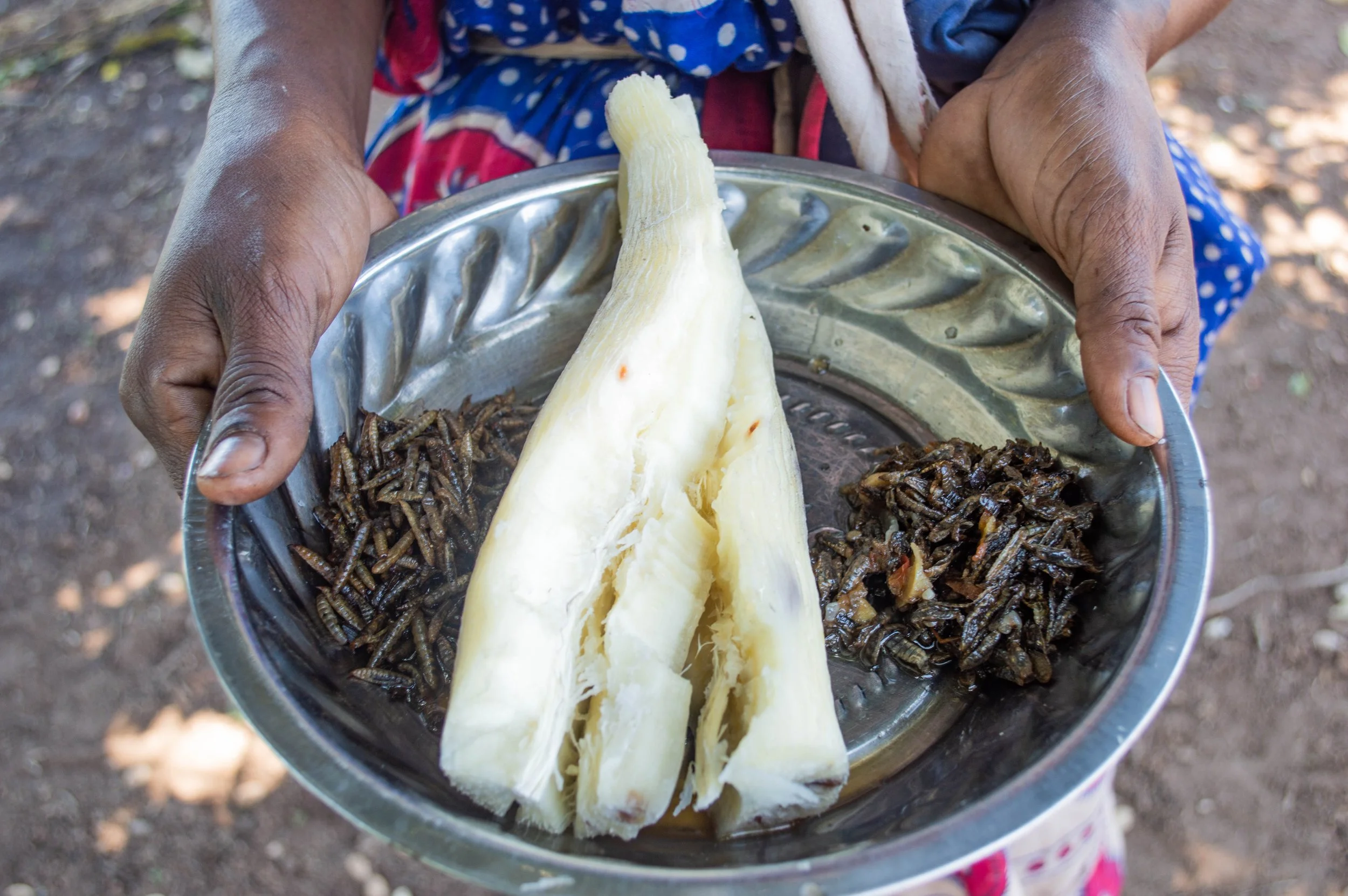
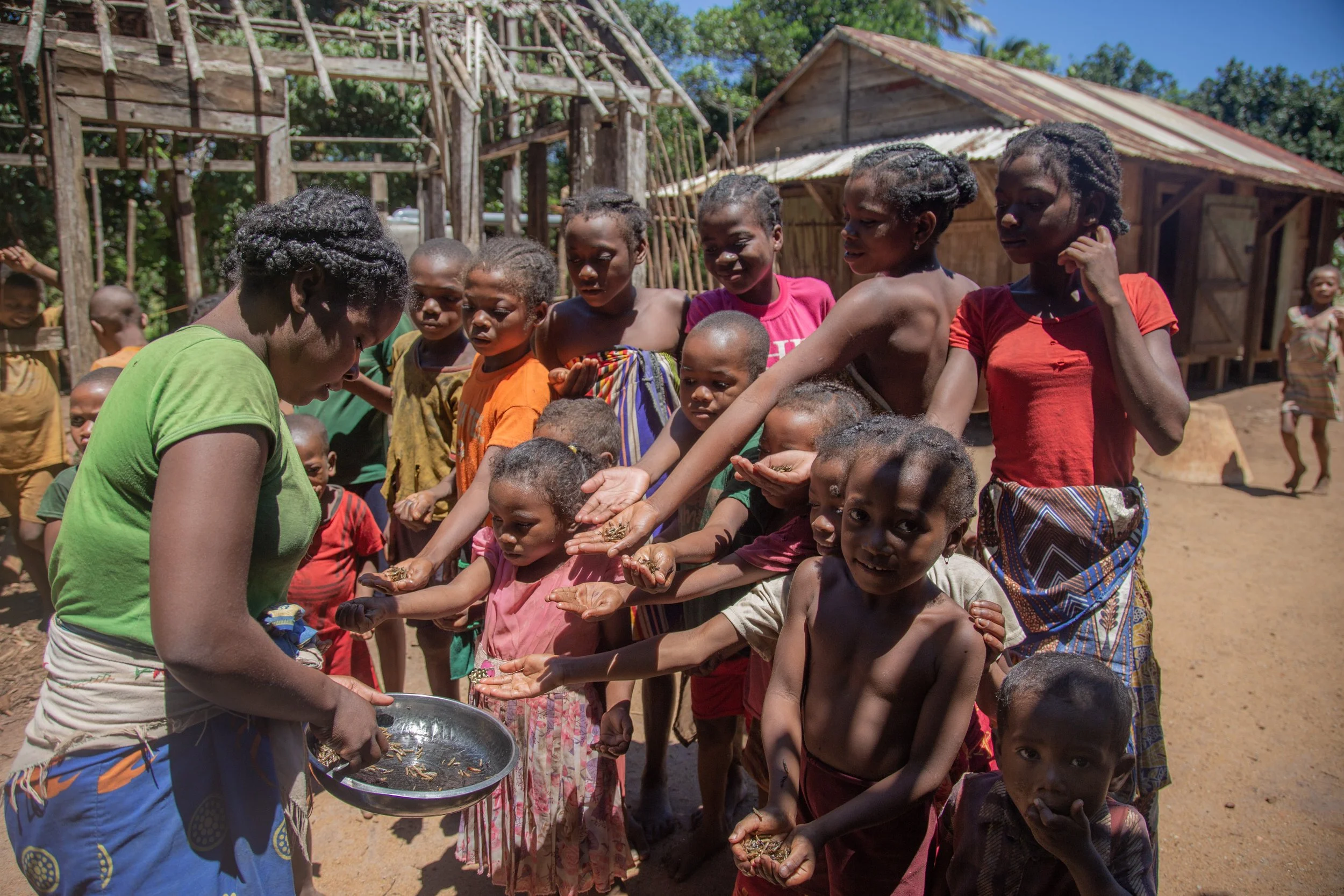
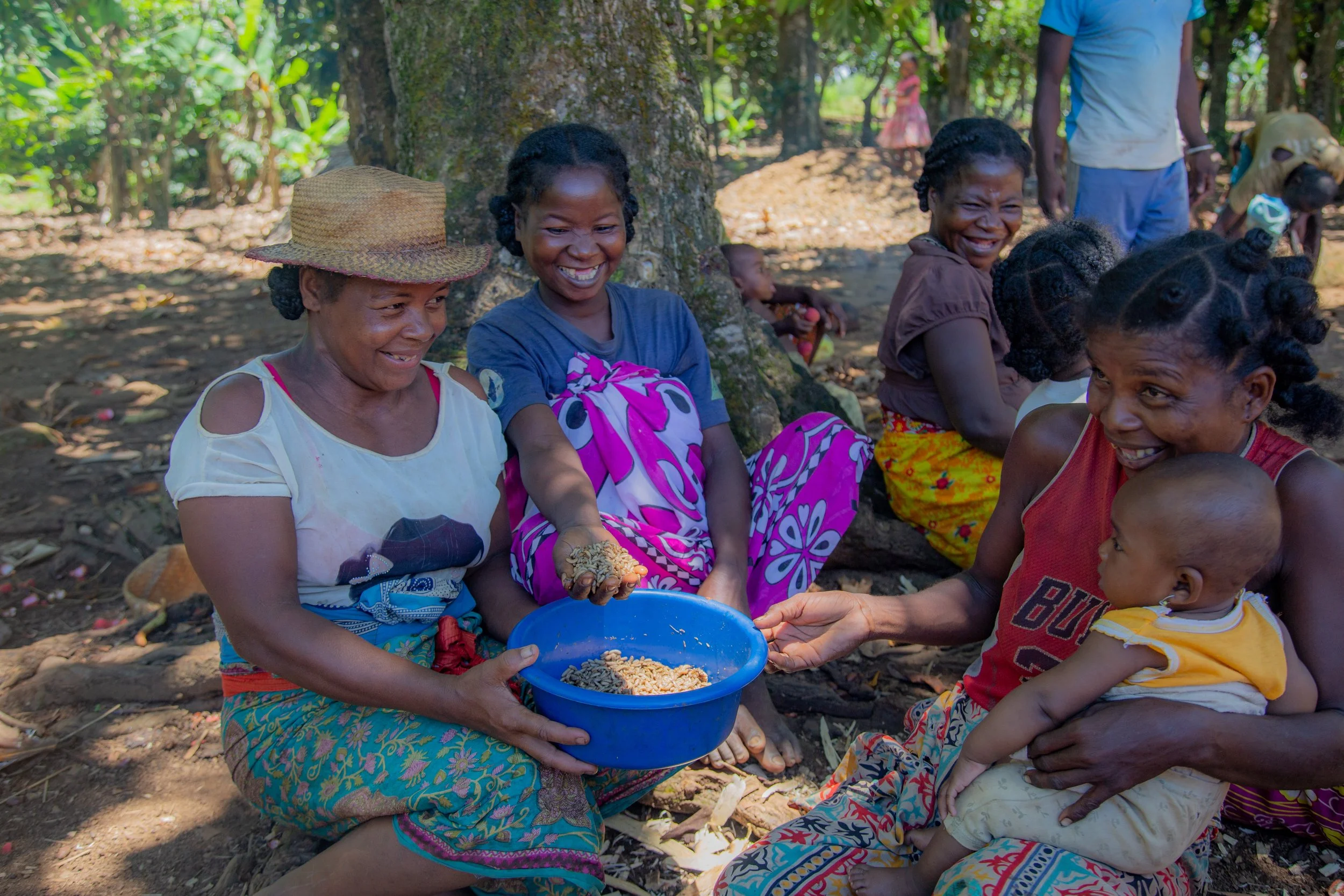
But back to the question of choice, the way we are setting up this program is to have this resource available the whole year. In Madagascar, there are two lean hunger seasons across the year when rice and beans become unavailable. Cassava is one of the only food items available for the whole year, but cassava is well known to be one of the most nutrient-poor foods in the world. It's pure carbohydrates. So BSF larvae has benefits in that it has very high-quality protein levels and high-quality fat as well. Best combined with a diet of other elements like rice and beans, if possible, of course. But since that is not an option for the whole year, we are trying to do our best to make BSF larvae available all year.
It's so interesting to hear that the kids liked it more than the adults because you hear about children saying: “I know that I've never sampled this, but I already don't like it."
Dr. Simon: Yes, it was unexpected. But from the focus group discussions, we heard, "Oh, my kids loved it.” In this region, meat is very rare. Being able to afford meat at least once a month is for privileged people. Even vegetable sources of protein, considering the hunger season twice a year, can become very rare. What's interesting is that cassava is available the whole year, but during the hunger season, it’s the main source of organic waste that feeds the BSF larvae. So it's great that cassava is available the whole year because during hunger season, communities can rely on it to keep the BSF farms going, and then they have protein and good fat available to go through those couple of months too.
So the two foods feed into each other. On this topic of family diet... since women have such a big role in feeding the family and small-scale farming in general, did you notice any difference in women's well-being specifically?
Dr. Simon: Not directly, because we didn't ask the question when we initially surveyed communities about their responses to BSF. But the question we have been asking is about workload, because we want to be aware whether we are improving people's lives or actually just bringing more work to the plate. And we found out that, yes, women are the top managers of the BSF farms, followed by adult men, and then by young male and young females under 15 years old. If farms are successful, if they are growing, that's mostly because of women's dedication and time to make that work. And that, for me, will be a proxy of how relevant that could be to the family livelihood and nutrition.
Did you measure how things were during the hunger season?
Dr. Simon: We have been paying attention to this. It's been almost a year and a half now since setting up farms. We have been collecting data every three months. For the last data analyzed, we asked the question if having a BSF farm has improved your perception of having food available for your family as part of a pack of four questions around food security perception. When we ask the questions right after December or May to June, we can tell for sure that answers came from reflecting on the hunger season. Overall, the proportion of community members who agree or strongly agree that their livelihoods have improved or their food security perception has improved after starting to farm BSF grew from 40% to 75% after the first hunger season they faced, having their own BSF farm.
On the community side, was there anybody who really took to BSF more than you expected?
Dr. Simon: Yes, Madame Fanja. She's been an empirical scientist because she is doing experiments on her own, especially with the fertilizer. She is almost applying statistical repetition on experiments in the field, planting trees with BSF fertilizer and without BSF fertilizer. And then she takes pictures of both trees – very, very different from each other. But my colleague Cédrique’s paper also published an empirical experiment with community members cultivating maize with BSF fertilizer too.
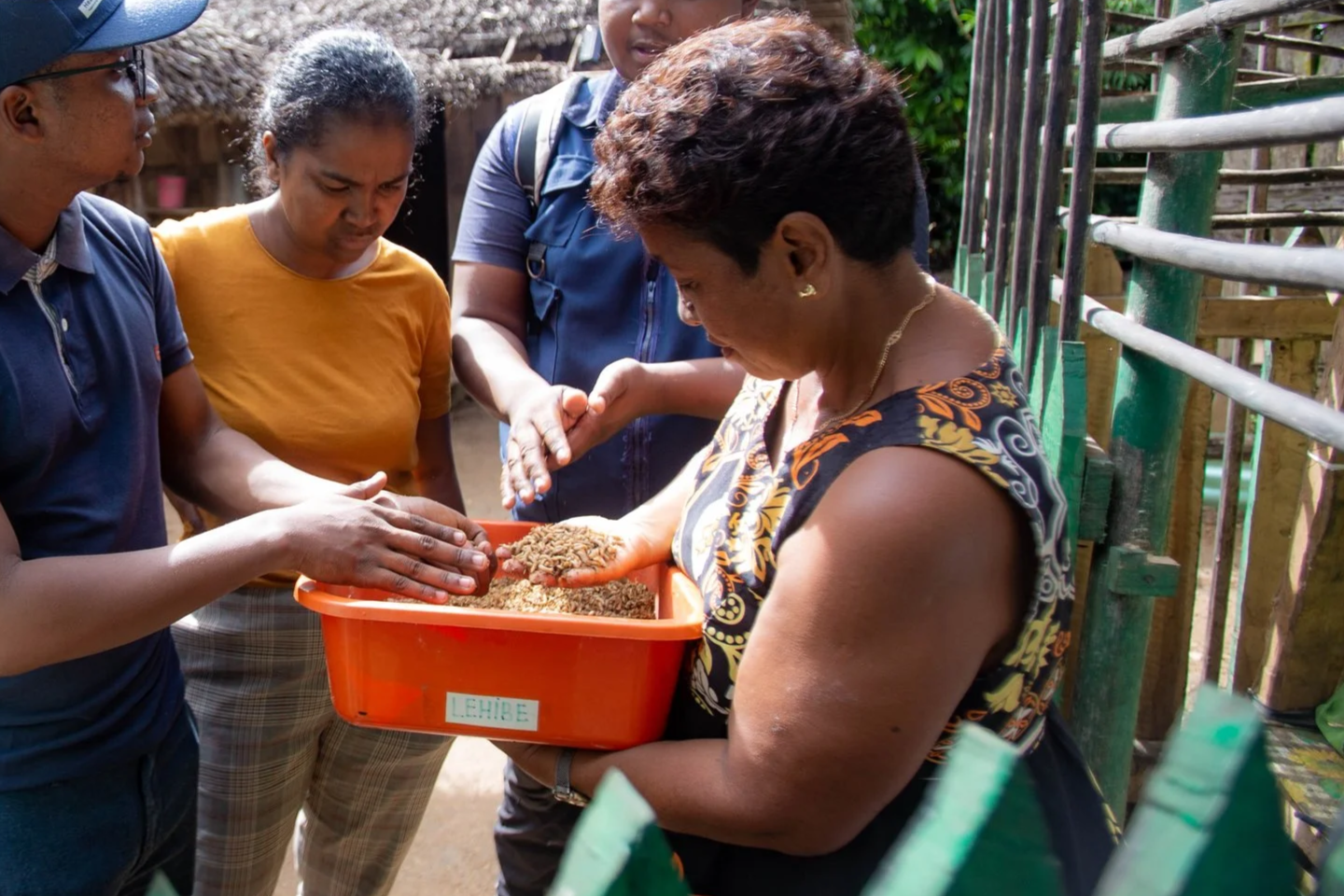
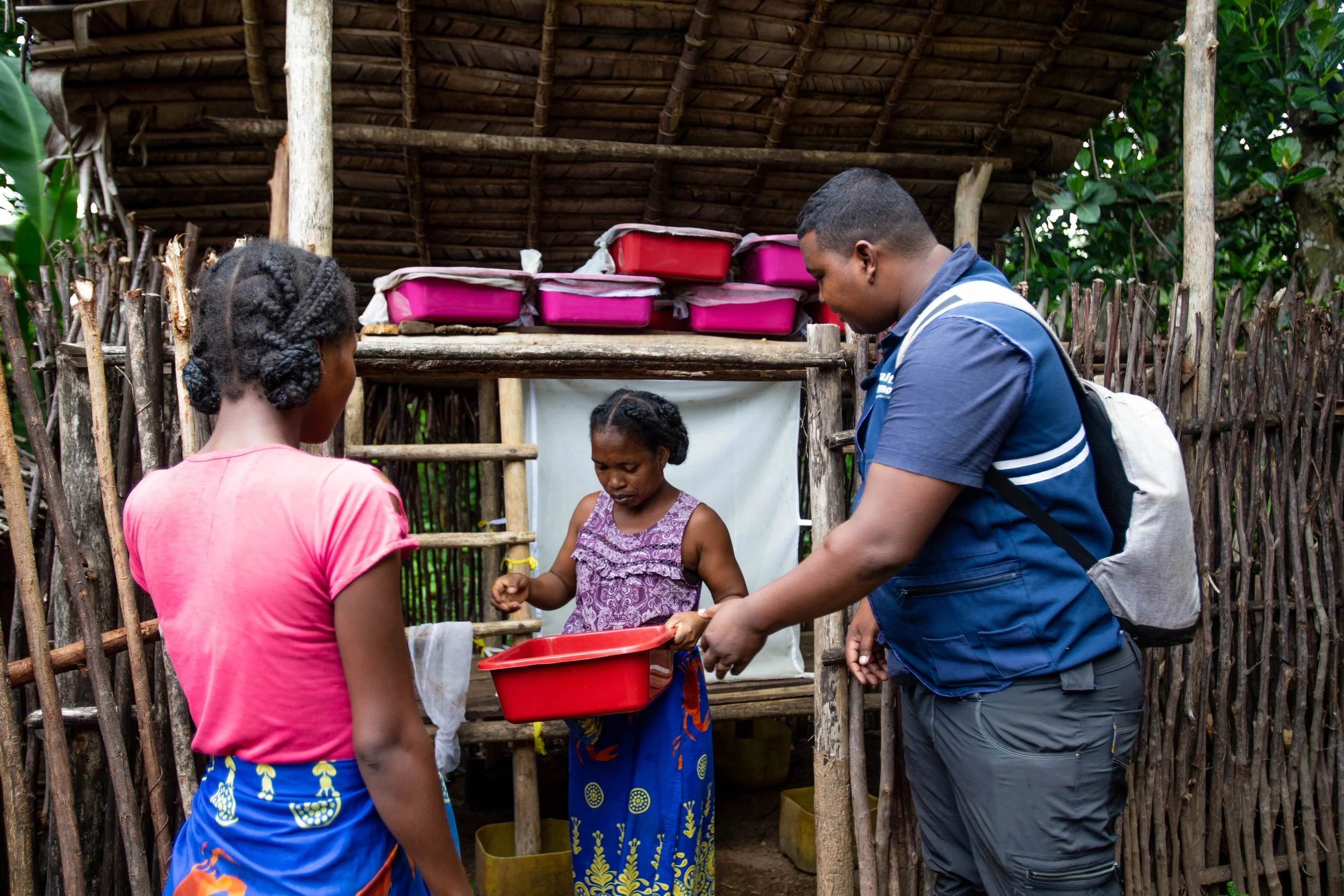
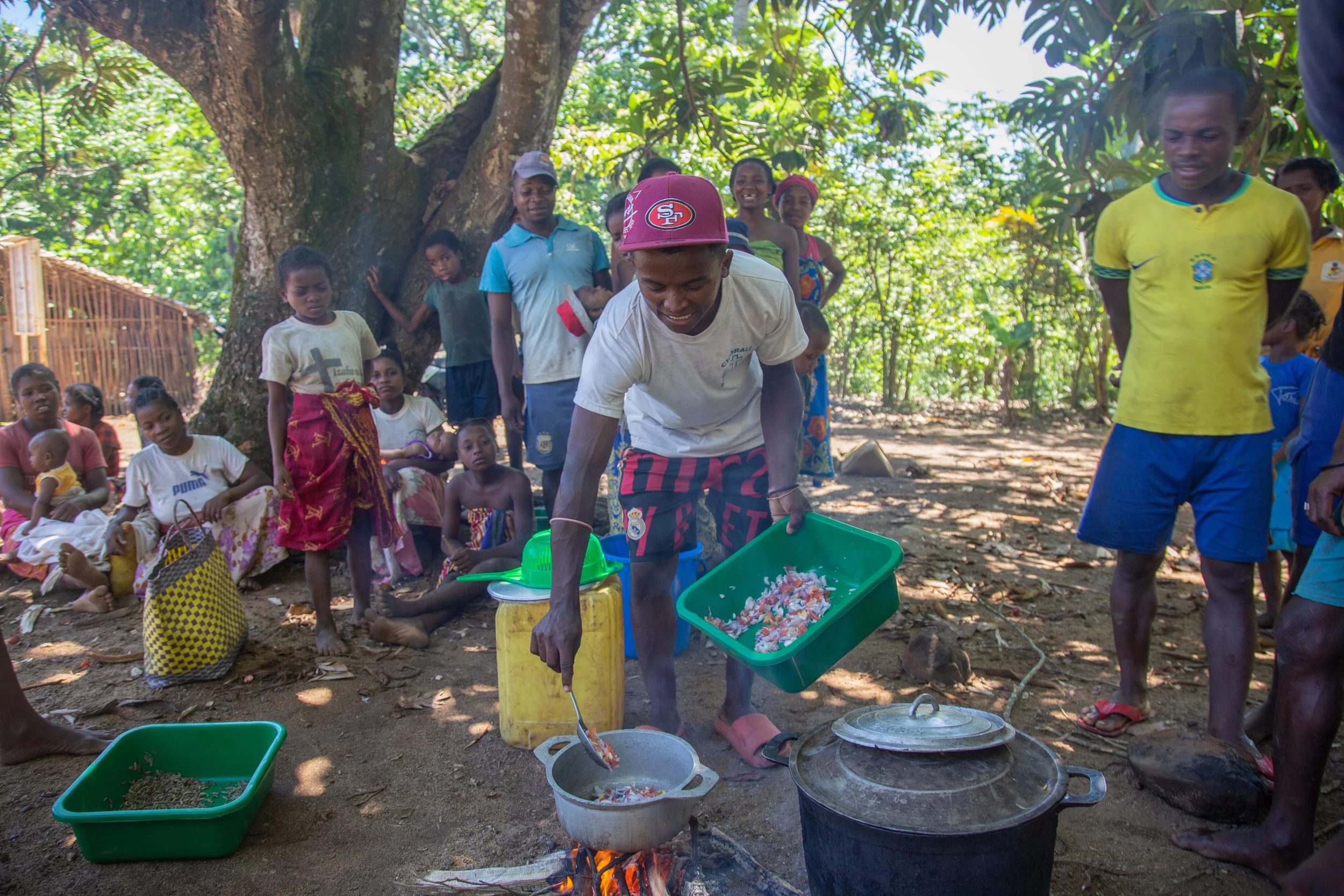
When we decided to conduct cooking classes and also exchange visits between farmers from different villages to share experiences, that was amazing because they share so much, they learn so much, and they get excited. That was the moment when things started to work out. Because sharing and learning became ownership.
You mentioned the research published in the peer-reviewed Journal of Insects as Food and Feed spotlighting BSF’s potential as a systemic, food security solution in southeastern Madagascar. Can you tell us more about that?
Dr. Simon: I guess I just wanted to highlight it because it took so long to get this paper published that the BSF project grew so much in this time - there are now upwards of around 170 BSF farms. But everything we are doing today came from this paper. In this study, we collected the data in July 2024. We learned so much from the focus group discussions and everything they shared with us from their experiences trying the product. That is still what drives our decisions and how we think things are going to work or not work, alongside what community members shared from the acceptability study.
I'm so proud of this project. You have no idea how fun it is when we have any feedback or any news from the community members, how engaged they are. Food systems are the core of planetary health. We do nothing by ignoring food. So if there is a hunger season, we're not going to get anywhere with improving human and planetary well-being until we find solutions to address that.