
Women and Planetary Health
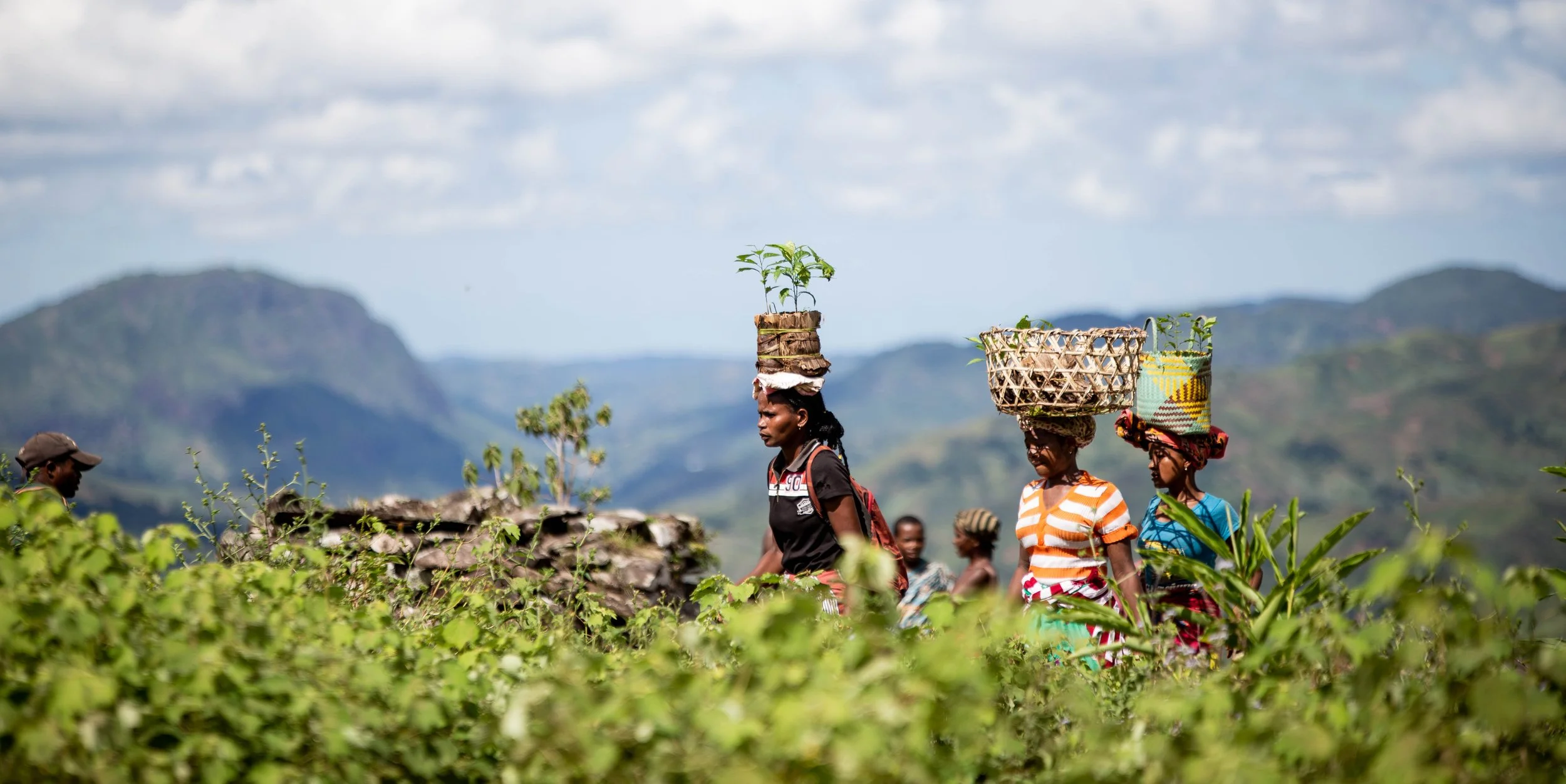
Planetary health invites us to recognize something ancient and urgent: that the health of people, ecosystems, and the planet are deeply interdependent. This is not an abstract concept. It is woven into the daily work of sustaining life, of tending to what nourishes us and what must be protected.
Across forests, coasts, and villages, women—particularly those in Indigenous, Afro-descendant, and local communities—are at the center of this work, nourishing bodies, protecting ecosystems, and keeping cultures alive; all of which are foundational to planetary health.
Yet, women face disproportionate burdens as the climate crisis intensifies. Water scarcity, soil degradation, and health crises are daily challenges that compound existing inequities. These are real and urgent pressures. At the same time, they do not fully define the story of women and planetary health. Alongside these burdens is the steady work of leadership, of knowledge held in lived experience, and of practices that care for land and community in ways that sustain all of us.
Health In Harmony recognizes that any approach to planetary health that does not center women’s climate leadership and community-designed solutions will ultimately fall short and lack long-term durability. Read on to learn about how the health of the planet is not separate from the work of women who hold it together, often unseen and under-resourced.
Systemic inequities
The disproportionate impact of the climate crisis on women, particularly in the Global South, is well documented. Under a high-emissions scenario, an estimated 158 million more women and girls could be pushed into extreme poverty by 2050, with nearly half of them in sub‑Saharan Africa. Women also do over 2.5 times more unpaid care work than men. This burden increases during climate disasters as women are often the first to absorb added responsibilities for family care, food, and water provision.
When water becomes scarce, it is women who walk further. When food systems collapse, it is women who eat last. When climate disasters strike, it is women and children who face the highest mortality rates. These are not the results of chance. They are the product of systems that have long concentrated power and resources in the hands of a few, while consistently overlooking the needs and knowledge of those who live closest to the land.
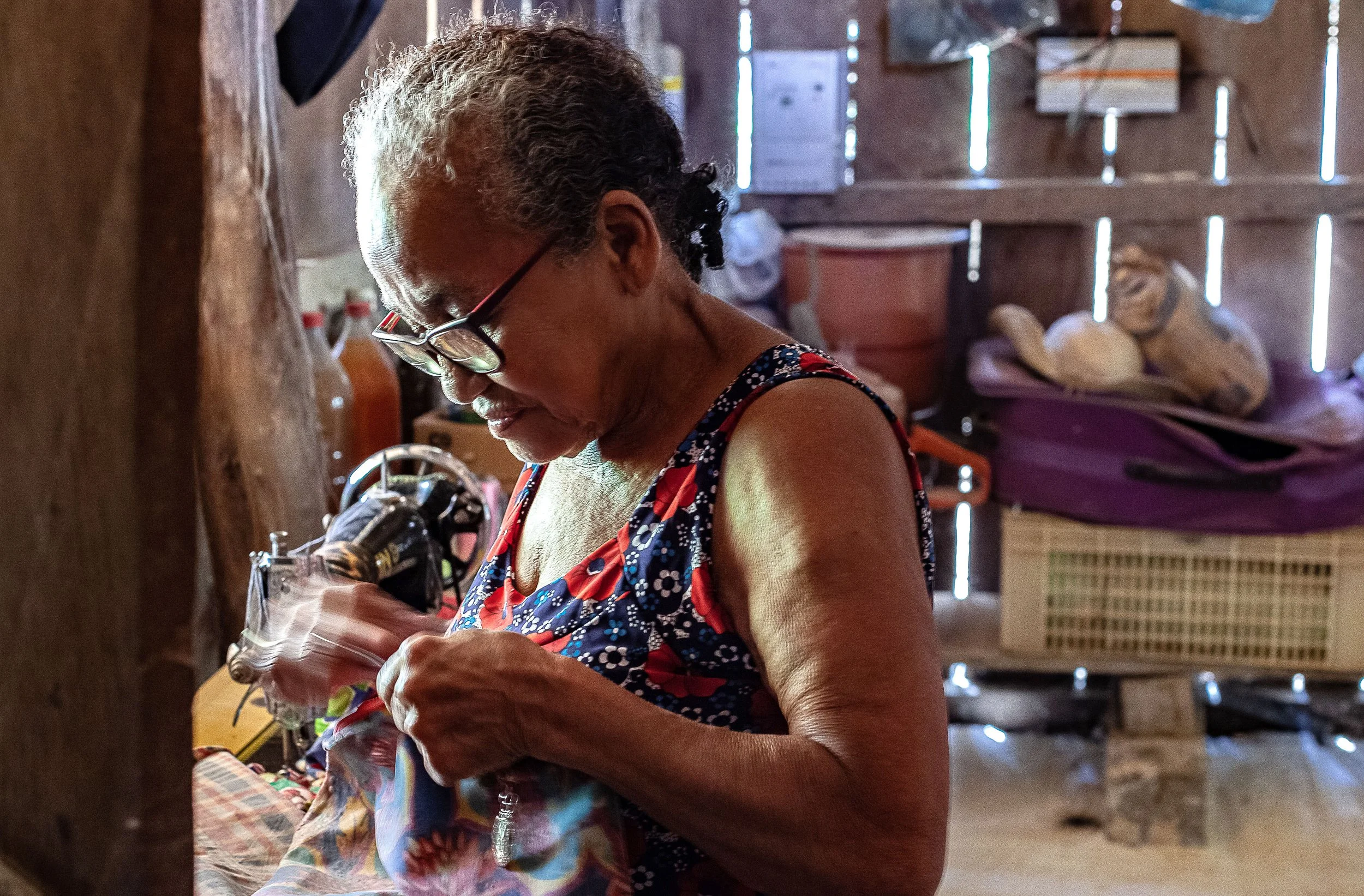
This same pattern of exclusion also extends to how women’s roles are framed within climate and health strategies. Too often, gender equity and women’s leadership are described as “co-benefits” or “secondary outcomes”—additions to climate action, but not central to its core. This language fails to recognize that women’s work is not a peripheral gain; it is foundational to planetary health itself. Framing it otherwise diminishes the urgency and legitimacy of women’s leadership, and overlooks the ways that care work, ecological stewardship, and cultural knowledge are woven together in community health and self-determination.
Planetary health depends on addressing these interconnected issues: the structures that produce vulnerability and the ways that women’s roles are sidelined in decision-making. Recognizing this complexity is the starting point for transforming how we understand and invest in planetary health. It is not a rhetorical commitment but essential to a more just planetary health future for people and the planet.
Learn more below about the ways Health In Harmony puts this into practice.
Supporting Indigenous Self-Determination and Cultural Preservation
Achieving planetary health requires us to fund those with the wisdom, knowledge, and inherent understanding of interdependence to lead. Supporting Indigenous women’s leadership, autonomy, and decision-making is central to dismantling extractive systems and advancing an equitable, regenerative future.
For example, in the Xipaya Territory of Brazil, Brazilian affiliate Instituto Saúde na Amazônia (SAMA HIH) partners with the Juma Institute to support Indigenous women’s leadership in cultural and ecological stewardship. In 2024, the first annual Xipai Women’s Meeting brought together generations of women to share knowledge about traditional medicines, intergenerational care, and forest-based livelihoods. A key focus was knowledge exchange; elder women passing down knowledge around Indigenous cultural practices that benefit the biodiversity and resilience of the rainforest down to younger generations through intergenerational dialogue.
Funding Community Solutions: Health and Livelihoods
Thriving communities are the foundation of thriving forests, and thriving women are the foundation of thriving rainforest communities. Supporting women’s health alongside our partners in global rainforests has proven outcomes for decreasing deforestation by taking financial pressures off communities and by improving community wellbeing. As Dr. Andry Tsirimanana - a Medical Coordinator who works with HIH affiliate FAMI in Madagascar – notes, “When community members are healthy, they can work, support their families, and avoid catastrophic health expenses. Without these costs, people are less likely to turn to forest extraction for income, helping to protect the environment.”
In Madagascar, with Health In Harmony’s support, FAMI is partnering with local communities to address urgent healthcare needs for women — needs voiced directly by community members. Cervical cancer prevention has emerged as a critical priority, particularly as the HPV vaccine remains unavailable. By offering screenings and early treatment, HIH not only protects women’s health but also strengthens community self-determination.
Livelihoods are also a critical means for community thriving, forming a key pathway through which planetary health outcomes can be achieved. In Indonesia, rainforest communities developed the ‘Goats for Widows’ program by Health In Harmony’s Indonesian affiliate Alam Sehat Lestari (ASRI), showcasing how environmental and social solutions can work hand in hand. Widows in this region often face significant economic barriers, limiting their ability to provide for their families and access health care.
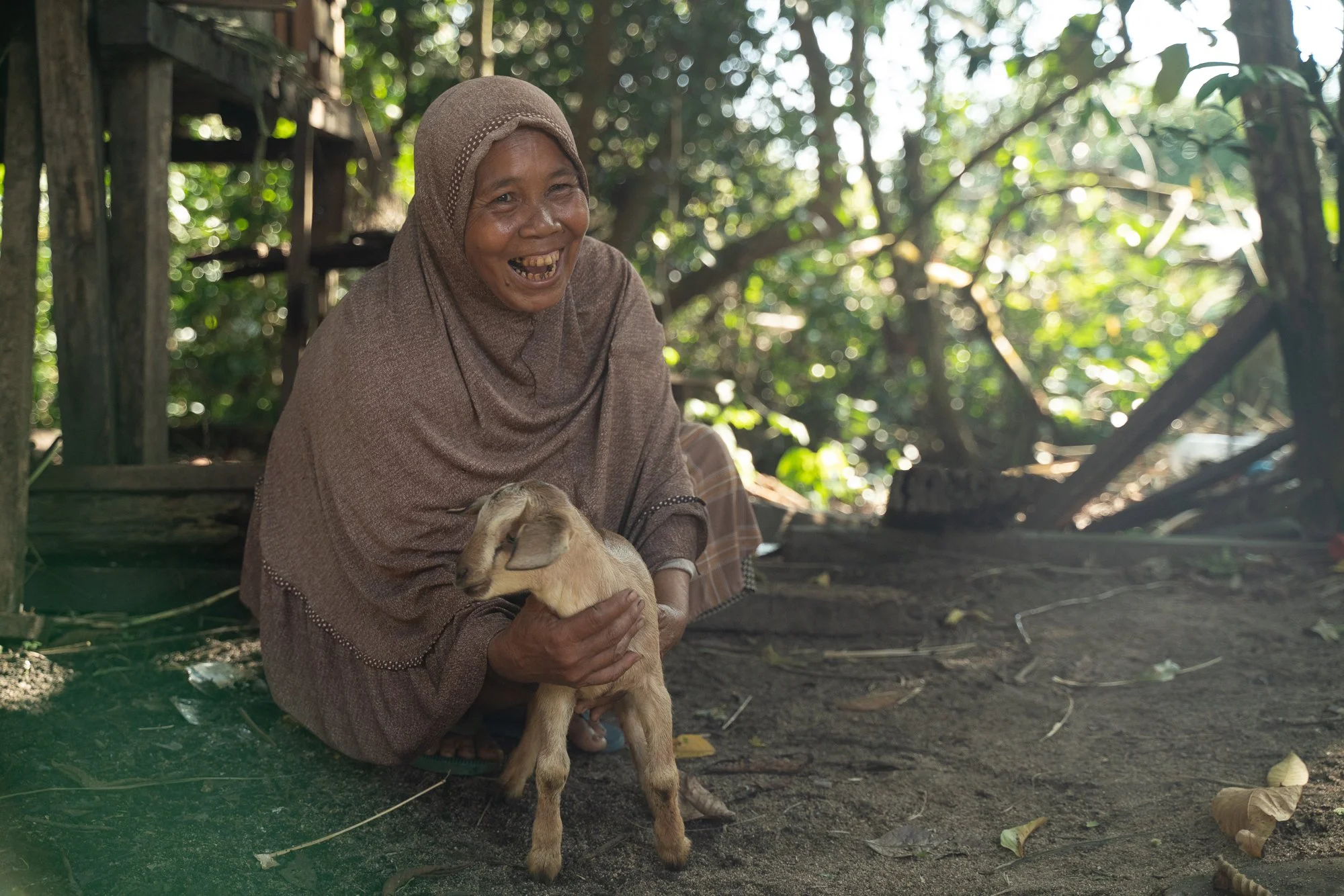
By supporting these women’s livelihoods with goats—an important cultural and economic asset—the program has improved their economic security, offered a new source of income, and strengthened women’s financial independence. This approach offers alternatives to logging and forest extraction, which result in reduced pressures on forests, underscoring how women’s economic security is central to the work of planetary health.
Towards COP30 and Beyond
These are not isolated projects or one-off interventions. They are examples of what becomes possible when women, especially those whose lives and labor are rooted in ancestral relationships with land, are able to define the terms of health, climate, and resilience for their communities, and when funding reaches their solutions directly.
These stories are reminders that a planetary health approach cannot stop at acknowledging women’s roles. It must also confront how power is structured in climate and health governance. Who is at the table? Whose knowledge is treated as valid? How do resources flow, and to whom?
As COP30 approaches in Belém, Brazil, it brings with it a renewed global focus on justice, equity, and the frontline communities safeguarding the planet’s most vital ecosystems. With the conference set to take place for the first time in the Amazon, and under the presidency of a country home to powerful movements of Indigenous and Afro-descendant women, expectations are high that COP30 will mark a turning point for more inclusive, community-led climate action. The strong leadership of women like Sonia Guajajara, Brazil’s first Minister of Indigenous Peoples and leader of the COP30 People’s Circle, further affirms this hope.
As the world prepares for COP30 under the banner of “mutirão”—a collective movement for community-driven change—we have a chance to ensure these truths do not remain on the margins. Yet despite years of advocacy, women—particularly from the Global South—remain underrepresented in formal negotiations and overburdened by the impacts of climate change. Now is the moment to push for a COP that not only includes women’s voices but recognizes their leadership as essential to planetary survival.
For Indigenous, Afro-descendant, and local women, leadership is not about stepping into existing structures based on extractivism and the degradation of human health and biodiversity health. It is about challenging the systems of extractivism that prioritize profit over people and reshaping those structures to enable decisions rooted in reciprocity, care, and a long view of what sustains life.
True planetary health asks more of us than inclusion. It asks us to transform how we define problems, how we recognize expertise, and how we direct resources. If we are committed to protecting ecosystems, we must support those who defend them. If we are committed to community self-determination, we must invest in those who build it each day. And if we are committed to justice, we must center the leadership, knowledge, and demands of Indigenous, Afro-descendant, and local women across the planet.