
WATCH: How Guajajara female leaders are revitalizing the Amazon Rainforest in Brazil
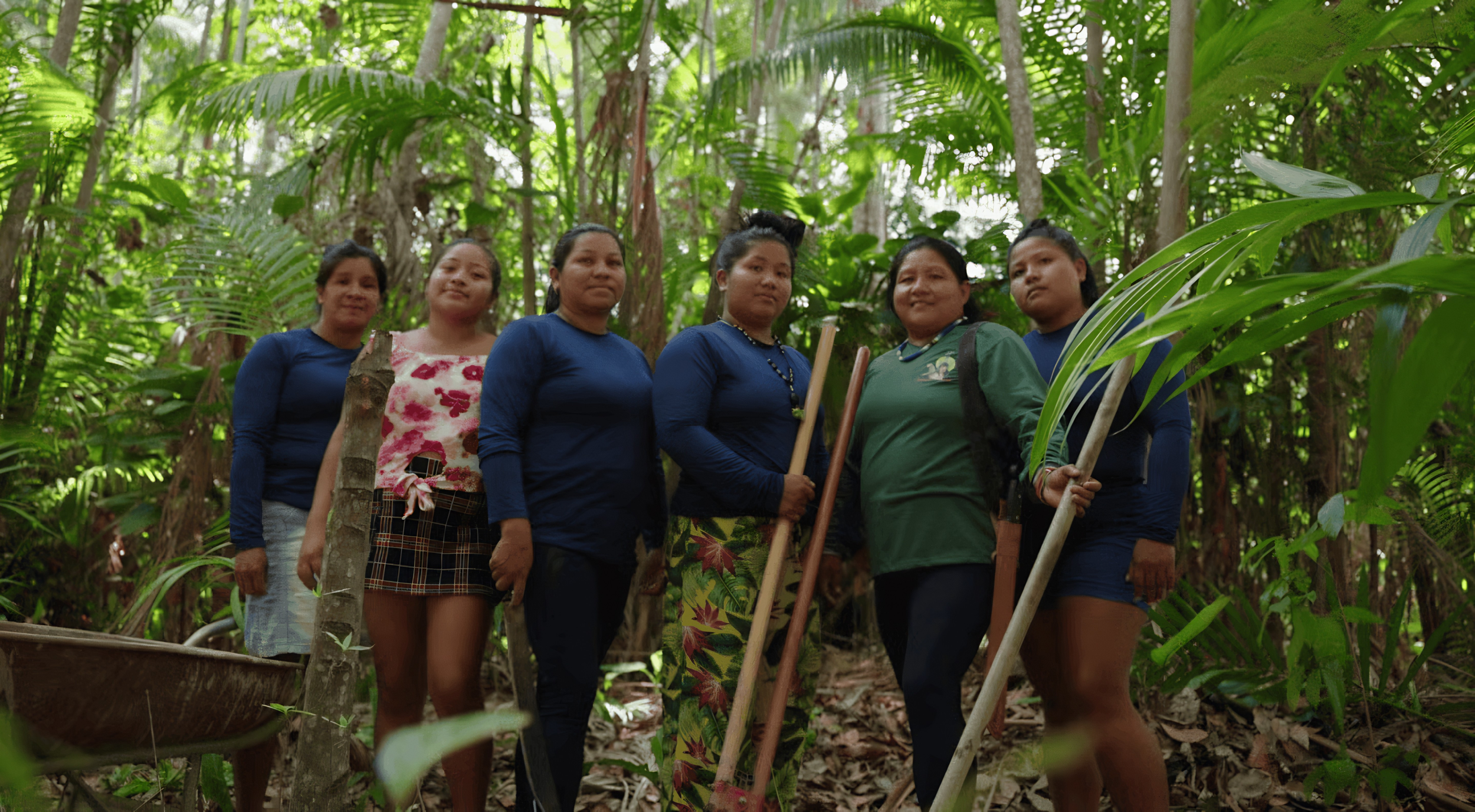
“I never thought the river would need help,” said Kariamora Santana Guajajara, a midwife and the matriarch of the Guajajara People in the Araribóia Indigenous Land in the state of Maranhão, north-eastern Brazil. “But the time has come to help – to reforest, to respect, to care. If we do not care for it, everything will disappear.”
In recent years, Kariamora has witnessed the rivers drying up, the animals retreating, and the health of the forest slowly deteriorating. In 2024 alone, 70% of the Araribóia Indigenous Land – home to the Guajajara People and the Awá People, who live in voluntary isolation – was affected by fires. These fires are accelerated by illegal logging and cattle ranching, and devastate biodiversity across the 413,000 hectares (1.02 million acres) of territory.
Kariamora Santana Guajajara and her daughter, Suluene Santana da Silva, a leader of the Lagoa Quieta community within the Araribóia Indigenous Land, have set out to change this. “There have always been fires, but they worsened in 2007 when the forest was already being devastated by illegal loggers,” said Suluene.
In 2008, a group of Indigenous leaders from the Araribóia Indigenous Land invited Suluene to join their movement to support the future of the territory and of the Guajajara People and the uncontacted Awá People.
“Since then, I’ve been walking with the leaders — not in front, but alongside, bringing the knowledge we study in school and combining it with the elders’ wisdom,” said Suluene.
Suluene’s community ties and ancestral knowledge ground her work as president of Instituto Makarapy, a nonprofit promoting the protection of biodiversity, traditional knowledge, and the defense of the rights of Indigenous Peoples. In partnership with Indigenous leaders, they worked together to support the Guajajara community in establishing seedling nurseries for reforestation.
With funding from The Rockefeller Foundation, Health In Harmony (HIH), SAMA-HIH (HIH's Brazilian affiliate), and Pawanka Fund are working beside seven communities across the Araribóia Indigenous Land. Female-led coalitions of Guajajara forest guardians have established nurseries with a diverse mix of native seedling varieties.
The female guardians cultivate a mix of agroforestry and medicinal seedlings, including shrubs that capture and create moisture – ultimately hydrating dry plants and lowering the risk of wildfires.
In nurturing the forest, explains Suluene, these collective efforts regenerate the ecosystem that sustains the Guajajara People's cultural practices. “Our ceremonies depend on the standing forest, on the surrounding fruit, and on the shade. If we don’t have the materials for the ceremony, the culture is weakened,” explains Suluene. “But if we reforest, and we have the trees, we have the birds, the animals, the river…we will revitalize together with the forest.”
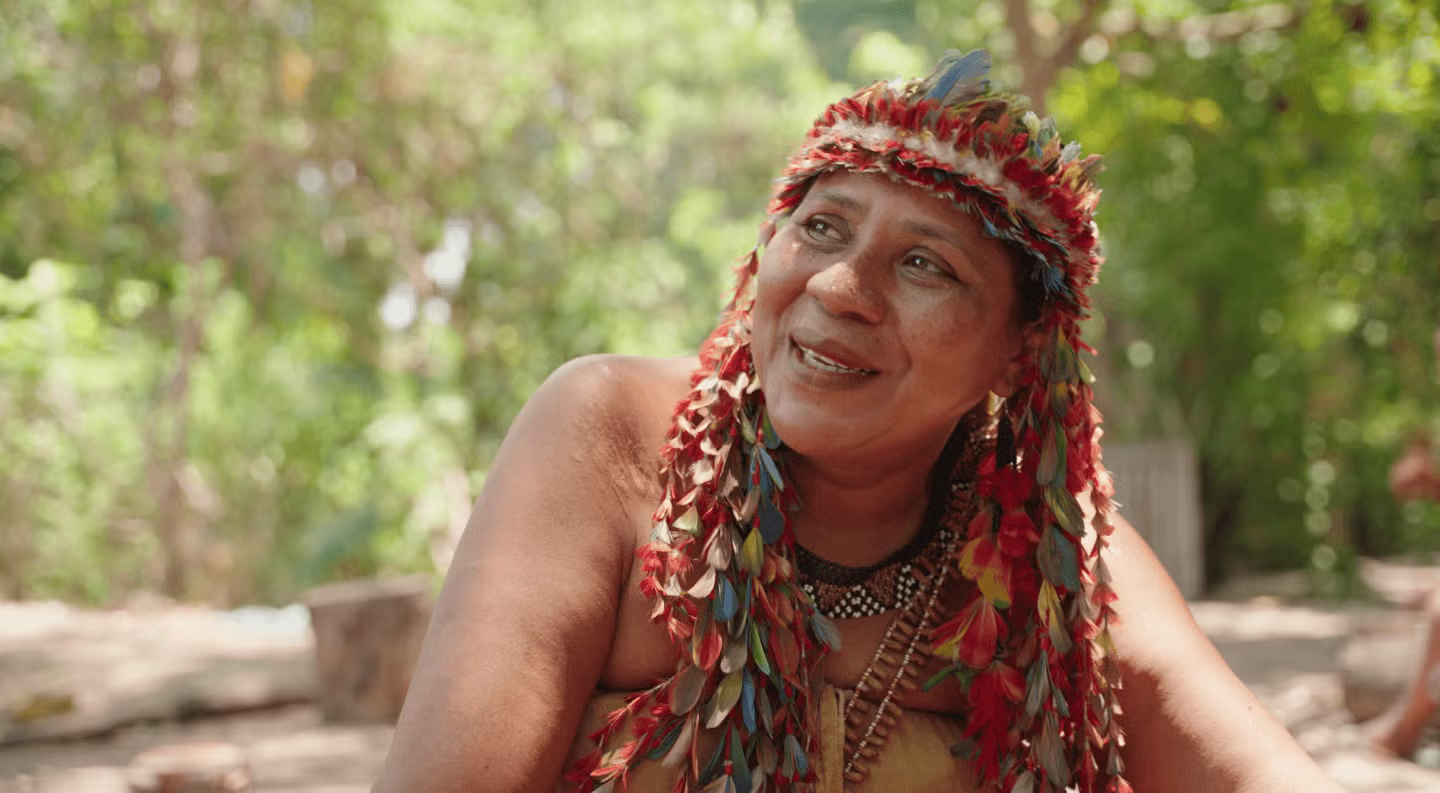
Suluene’s vision is at the heart of HIH's broader work across the Brazilian Amazon. HIH works alongside communities to protect 3.7 million hectares of climate-critical rainforest, storing 485 million tonnes of aboveground carbon.
With financial and technical support from The Rockefeller Foundation, HIH and SAMA-HIH also work alongside Indigenous communities to design alternative financing opportunities. Working closely with communities, HIH ensures safeguards and legal support are available and embedded throughout the process of engaging with external developers. The goal is to ensure that the communities themselves receive the full benefit from their nature-based solutions.
Previous studies based on HIH’s work with rainforest communities in Indonesia show that recognizing and resourcing their climate solutions can return a minimum of 12X on investment in above-ground carbon emissions averted.
“We know the solutions designed by Indigenous Peoples have the greatest impact on climate change,” said Daniel Tiberio Luz, Country Director of SAMA-HIH. “Indigenous-led solutions not only have a positive impact on biodiversity and community thriving, but also lead to opportunities to commercialize sustainable products, forest protection, and reforestation efforts.”
HIH is also supporting rainforest communities in Brazil to design Indigenous-led carbon and bio-credits to increase their direct financing and ensure they have sovereign management of their data and territorial resources. The Rockefeller Foundation is pursuing initiatives like this to improve conservation efforts and leverage philanthropy to de-risk other forms of investment, as well as improve the safeguarding practices external partners prioritize in their relationships with Indigenous Peoples and local rainforest communities. “Equipping communities with the resources and tools to design and sell their own biodiversity and carbon credits is an ethical and innovative approach, where Indigenous Peoples lead decision-making,” explains Tiberio Luz.
HIH is working in partnership with Woodwell Climate Research Center to apply the Landscape Capital Index (LCI), a site-selection tool that assesses the potential of any tract of land to deliver climate mitigation and conservation outcomes, along with other co-benefits. Communities chose to work with ECCON Soluções Ambientais, a Brazilian organization specializing in environmental consulting, decarbonization, and carbon project development.
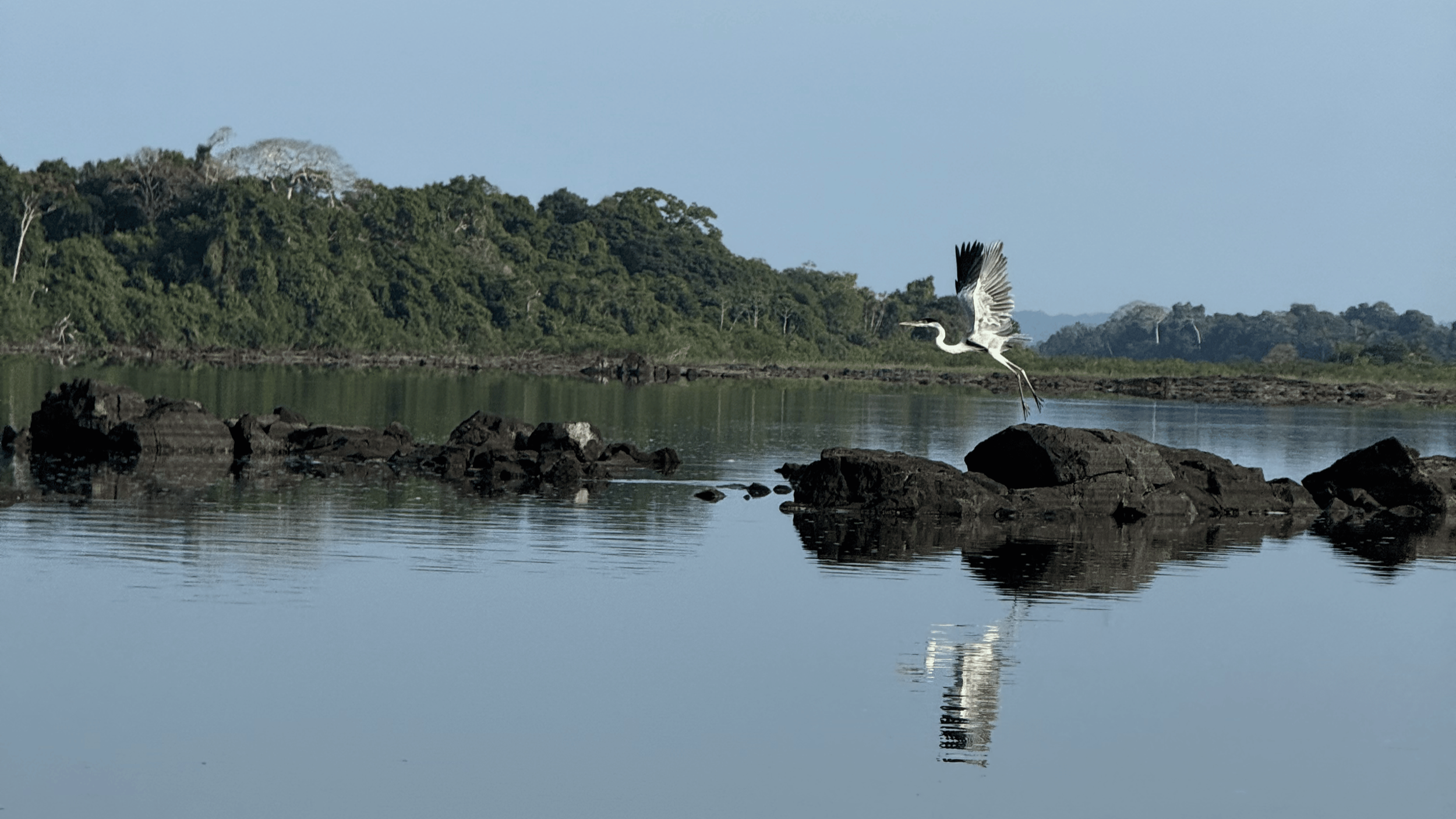
Forest guardians such as Kariamora and her daughter Suluene are driving change in their communities, yet the exploitation of the land and forests the Guajajara community calls home persists.
COP30, held in Belém, Brazil in 2025, recognized Indigenous Peoples’ knowledge and direct community financing as essential components of effective climate action. COP30 saw the largest representation of Indigenous Peoples in its history, including members of the Guajajara community.
A new climate facility – the Tropical Forests Forever Facility (TFFF) – was introduced to incentivize the conservation and expansion of tropical forests by making annual payments to Tropical Forest Countries. The TFFF proposes to allocate 20% of all funds to a country's Indigenous Peoples and Local Communities. While this marks meaningful progress, many – including the Coordination of Indigenous Organizations of the Brazilian Amazon – argue it still falls short of what is needed.
The Rockefeller Foundation supported direct investments in nine territories across the Brazilian Amazon. This effort was seeded by Reinier Climate Group, with HIH and SAMA-HIH investing in the solutions created by the Guajajara People and other Indigenous Peoples in the Amazon Rainforest in Brazil to ensure the protection of the forest, the preservation of Indigenous Peoples’ cultural practices, and community ownership of sovereign data.
“Our efforts are not just for those in the Indigenous Territory, because we know this air is carried beyond our community. This preservation will positively impact everyone,” said Suluene. “The reality we have here is the reality we want for the world.”
With thanks to project collaborators: