
New Study Finds Black Soldier Fly Farming Provides Blueprint for Scalable Solution to Help Tackle Malnutrition and Protect Forests
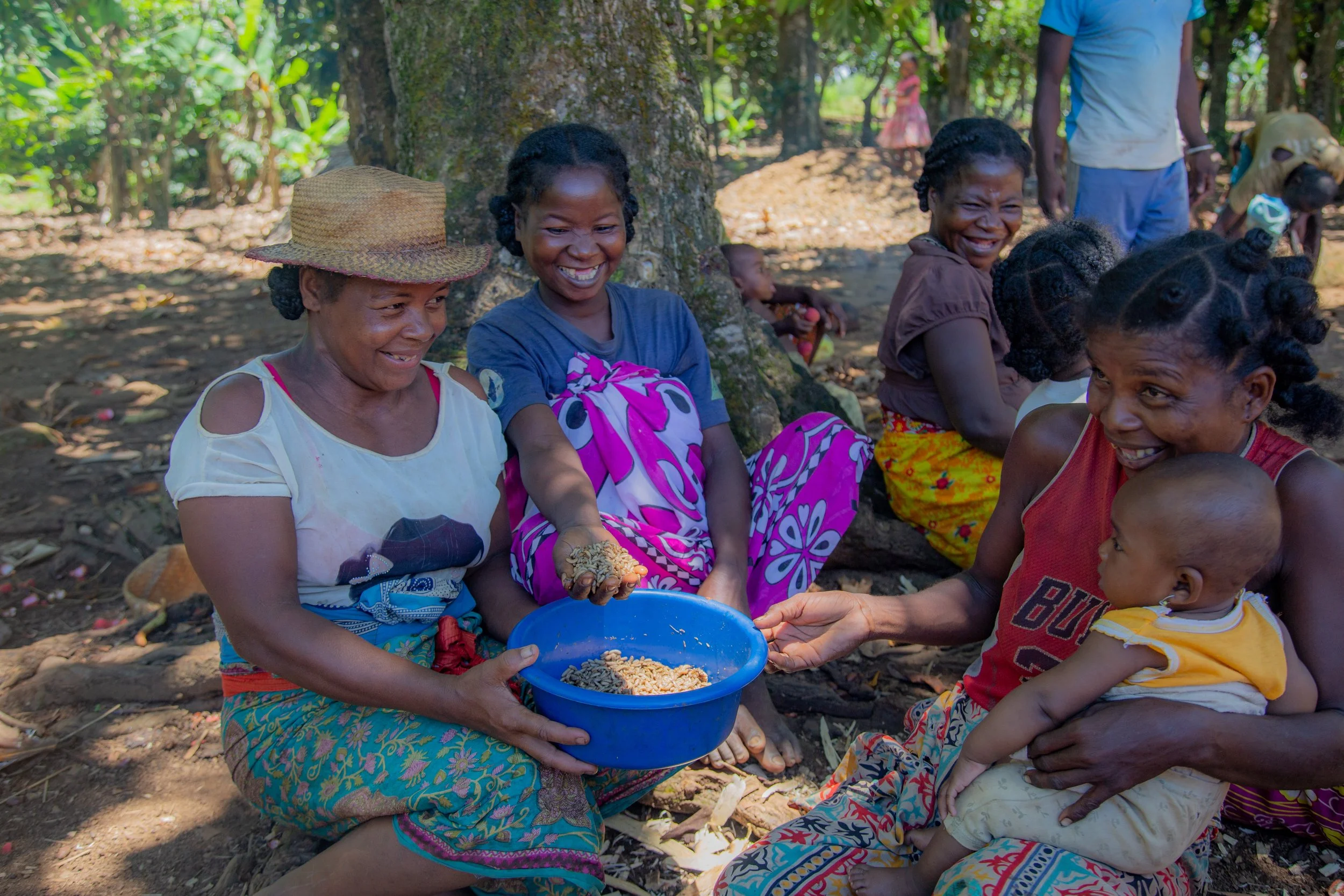
Black Soldier Fly (BSF) farming could offer a practical, scalable solution to malnutrition, food insecurity, and environmental degradation in vulnerable regions, according to new research conducted in rural south-east Madagascar.
The study, carried out by Health In Harmony – an international nonprofit dedicated to reversing tropical rainforest deforestation, and Madagascar Biodiversity Center, a Malagasy NGO and scientific hub dedicated to harnessing Madagascar’s insect diversity focuses on a rainforest-dwelling community surrounding the Manombo Special Reserve in Madagascar, and provides new evidence that insect-based foods can not only be successfully integrated into local diets when aligned with existing food practices, but can also potentially drive a transformation towards Planetary Health through sustainable food systems.
Insect consumption is already a well-established part of the food culture in communities like those surrounding Manombo. The focus on insects is deliberate: they are highly nutritious, simple to farm, and have significant potential to reduce communities' reliance on the forest for food, directly easing one of the key drivers of deforestation.
A key focus for researchers was to assess community acceptance of three BSF-based products, whole larvae, powder, and cracker, through surveys and focus group discussions across 70 households. It found that 95% of youth (higher than adults) responded positively to the tested products. Children were often the most enthusiastic participants, reinforcing the role of early exposure in shaping long-term food preferences. Acceptance at the household level, especially when promoted by female caregivers, could translate into sustained dietary change over time.
Additional key findings:
Exposure and tradition reduce stigma: Products in which the insect was less visible, particularly BSF crackers, were preferred to whole larvae, due to unfamiliarity and visual aversion. These results indicate that barriers to adoption are not cultural, but practical, suggesting that product design and integration into everyday meals are critical to uptake.
BSF is both a superfood and a fertilizer: BSF larvae are a nutrient-dense superfood (30–58% protein, essential fatty acids, micronutrients) with high feed conversion efficiency, rapid growth, and a low environmental footprint. Fed on organic waste, they produce both protein and fertiliser, a resource-efficient system that supports soil health and reduces reliance on imported agricultural products (findings drawn from separate research by Solofondranohatra et al.)
Community value: 90% of participants expressed willingness to farm BSF, citing both nutritional and economic benefits. Researchers and practitioners are calling for greater support from governments, development agencies, and funders to scale community-led insect farming initiatives.
Climate resilience: Farming BSF also offers a critical climate resilience benefit: unlike wild food sources, they can be raised year-round, providing a consistent, reliable source of nutrition during the hunger season when food insecurity is at its worst.
Beyond Madagascar: Across Europe and North America, insect-based foods remain niche, sold as gym supplements or novelties rather than everyday staples, despite growing environmental concerns about livestock. Limited uptake likely reflects positioning and cultural framing challenges, underlining the need to embed new ingredients into familiar formats.
As a direct outcome of this study, the world’s largest community-owned BSF farm has been established in Madagascar. The implementation of the farms came only after this acceptability research was completed; it is precisely because of these insights that the project has been so successful.
Madagascar’s BSF sector has since grown into a leading community-based insect-farming network, much of it led by women, such as Madam Fanja. The initiatives are already demonstrating tangible impacts on household wellness and income generation. The percentage of people who agree and strongly agree that BSF farming has improved their household's livelihood increased from 40% to 75% after the first hunger season in 2025.
Countrywide, Madagascar has already taken a significant step by establishing a national standard that authorizes the consumption of BSF larvae and powder, laying the foundation for further scale-up.