
Watch: How Black Soldier Fly (BSF) Frass is Revolutionizing Farming in Madagascar
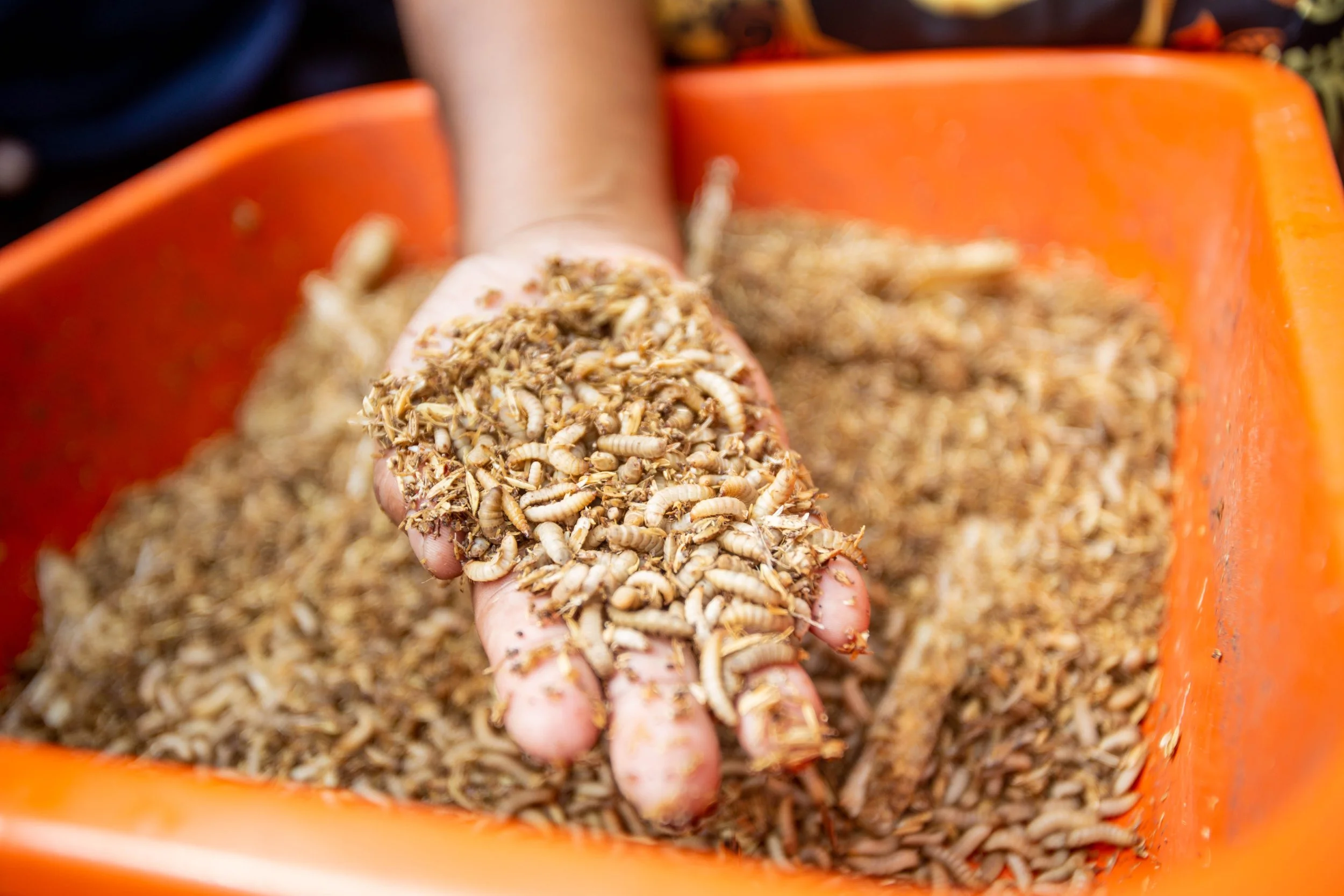
In Madagascar, rainforest communities face severe food insecurity, driven by multiple factors: destruction from cyclones & droughts, low incomes and volatile food prices, limited crop diversification, and dependence on rain-fed agriculture. According to UN World Food Program, chronic malnutrition affects nearly 40% of Madagascar’s children.
For this reason, Health In Harmony and local HIH Collective partner FAMI have been collaborating with local communities and the Madagascar Biodiversity Center (MBC) to develop an innovative solution: Black Soldier Fly (BSF) farming. This innovative approach to nutrition and agriculture is tackling food insecurity head-on, as well as fallout effects such as deforestation and the hunting of endangered wildlife.
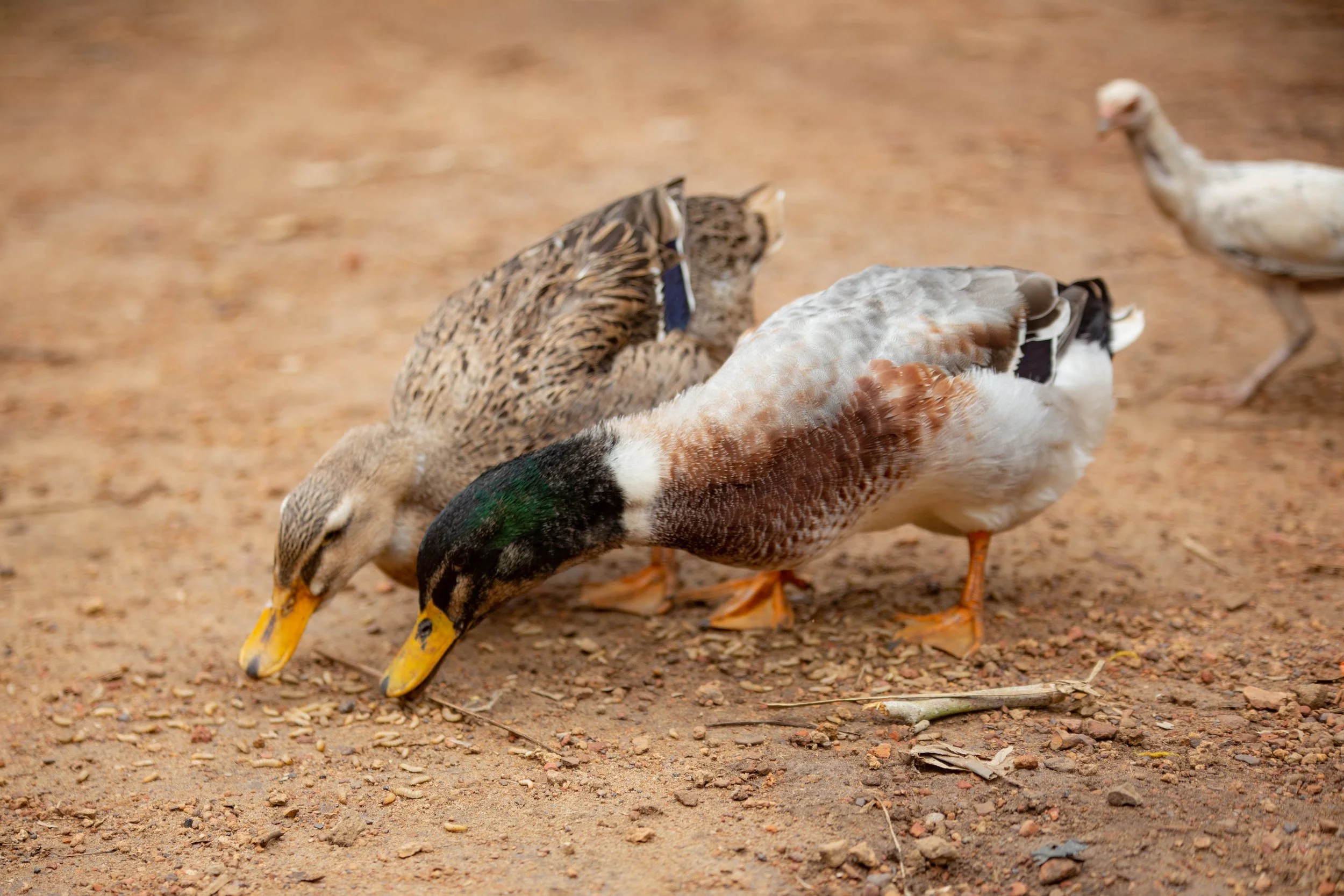
BSF farming has several benefits. Communities are exploring BSF as a protein-rich dietary supplement, as well as using it as a nutritious animal feed and, when composted, as a high-quality organic fertilizer, improving soil health and boosting crop yields.
New research published in the peer-reviewed journal Frontiers spotlights BSF’s potential, finding that it has significantly boosted maize production in southeastern Madagascar. Read on to learn more about this research.
What is BSF?
BSF (Hermetia illucens) is a black fly species from the Americas. It can also be found in Madagascar, especially in warm and humid areas. In the Morafeno village near Farafangana District, HIH and FAMI have been working with communities to create what is currently the largest community-based BSF farm in the world.
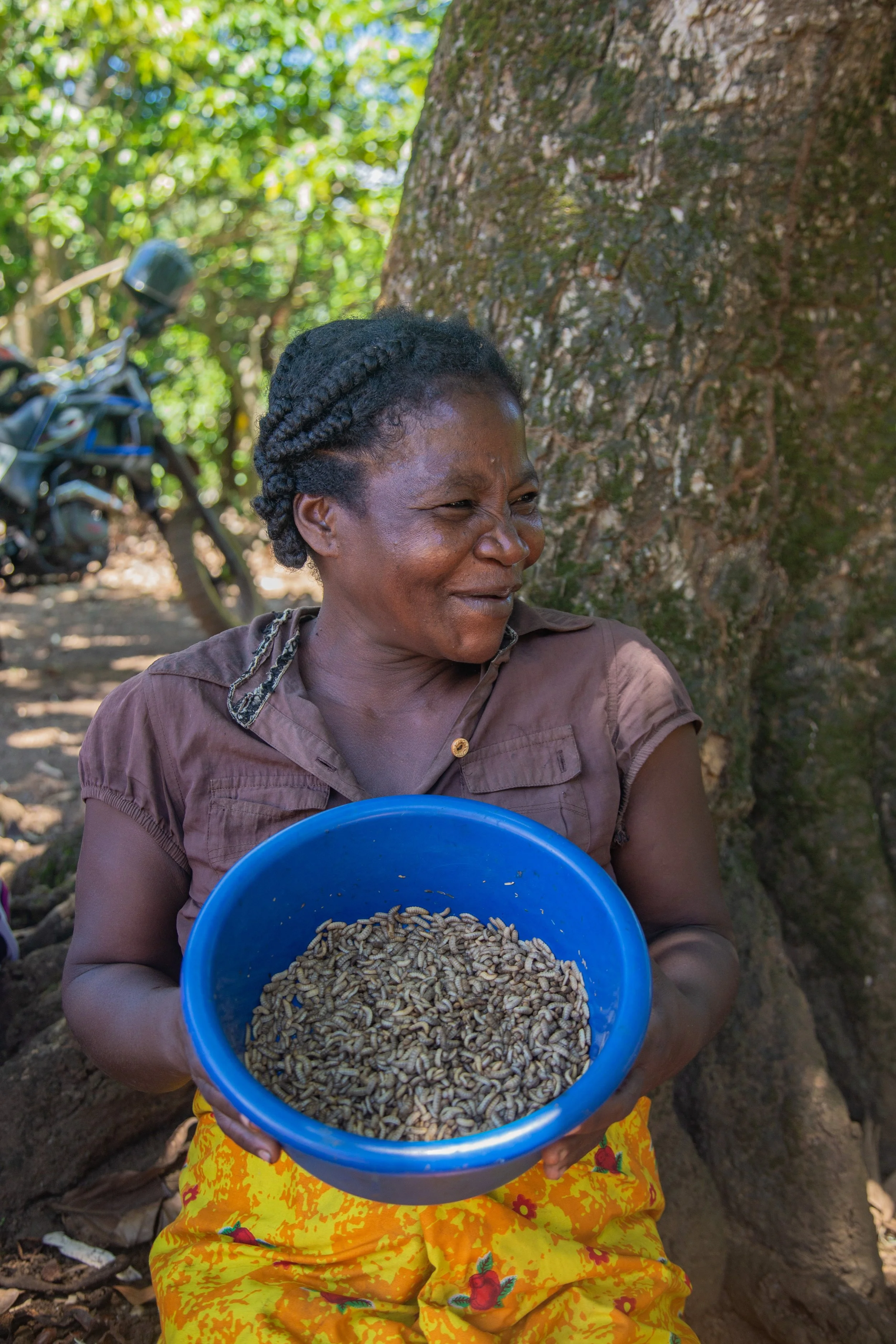
BSF has many benefits: its larvae are rich in nutrients and can be eaten as a meat substitute, providing protein, fat and calcium. BSF can also be fed to chickens, fish, and pigs to improve livestock feed. When composted, BSF helps recycle organic waste and increases agricultural productivity, used as a high-quality organic fertilizer.
Revolutionizing farming
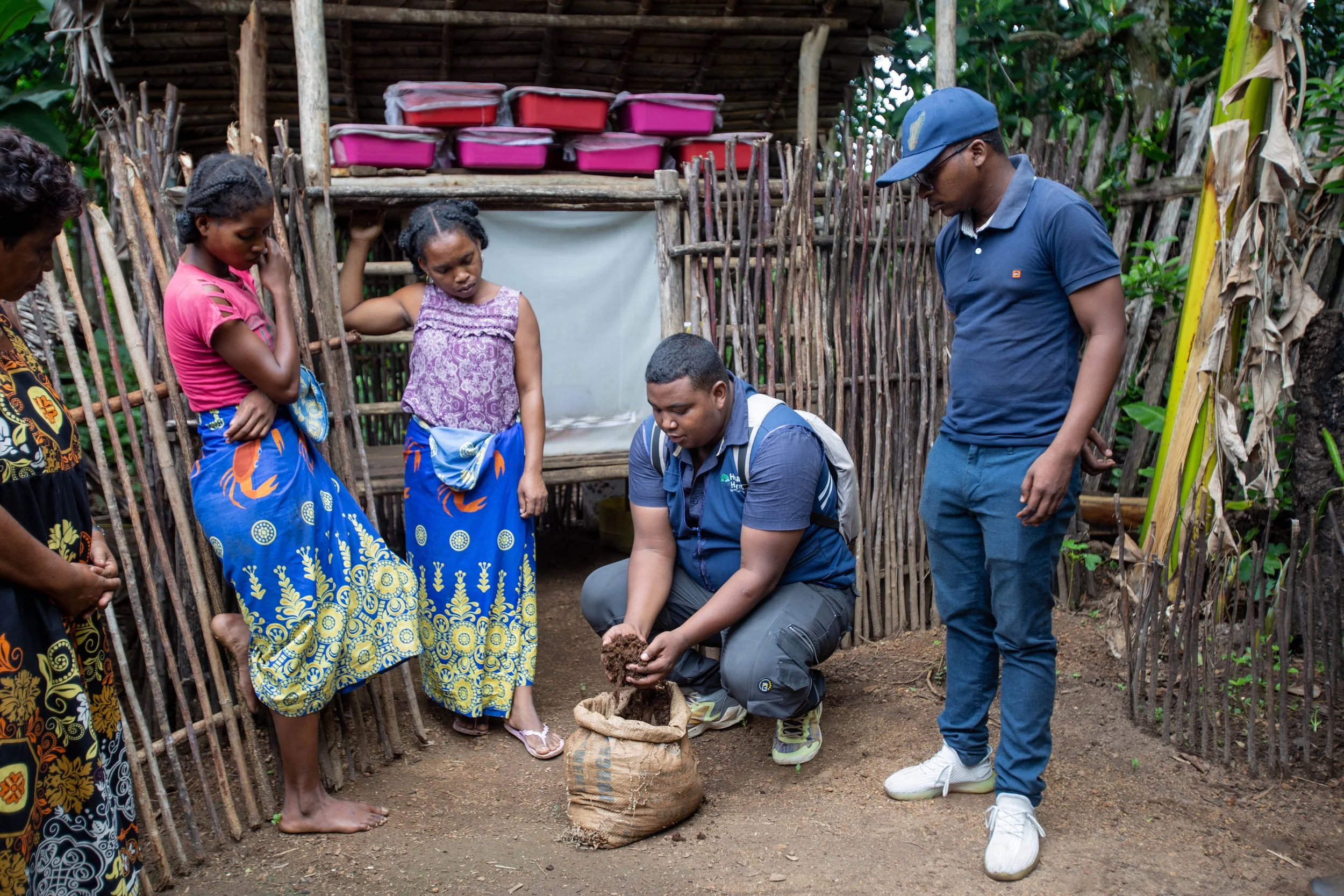
The new study published in Frontiers, conducted by researchers from the Madagascar Biodiversity Center (MBC) and HIH, found that composted BSF frass increased maize yields by 38% compared to traditional cattle manure while using a fraction of the space and upkeep.
Notably, the unfertilized control plots produced no harvestable maize, underscoring the critical need for nutrient inputs in the region's acidic soils.
"Our results show that composting BSF frass for five weeks transforms it into a highly effective organic fertilizer," says Cédrique L. Solofondranohatra, lead researcher and Director of Small Farms Programs at the Madagascar Biodiversity Center.
Even at one-third of the recommended nitrogen input, composted BSF frass achieved 57% of the yield obtained under full fertilizer recommendations. This is crucial for smallholder farmers who cannot afford full-dose commercial fertilizers."
Read the research paper: "Preliminary field evaluation of black soldier fly frass as an organic fertilizer on maize (Zea mays L.) growth and yield in southeastern Madagascar," in Frontiers.
Community voices
What makes this research particularly notable is its community-led approach. Rather than conducting experiments in controlled laboratory settings, researchers worked alongside farmers in Morafeno village who tested BSF frass on their own fields using their own agricultural practices. “Working directly with community members in their own fields gave us insights we could never have gained in a research station," Solofondranohatra said.
Brunot, a maize farmer and village king in Morafeno village, who participated in the trial, says the results have changed his approach to farming:
"Before this study, when we couldn't afford fertilizer, we would get no harvest at all. Now I am learning to compost BSF frass, and I can see my maize plants growing stronger. This gives me hope that I can feed my family and have maize to sell at the market."
Next steps
This research provides crucial evidence for organizations working to improve food security and environmental sustainability in Madagascar and similar contexts.
“These findings are particularly significant for smallholder farmers in Madagascar who face persistent challenges with soil fertility and food production," says Dr. Sakib Burza, Chief Health & Innovation Officer at HIH.
"By demonstrating that composted BSF frass can enhance crop yields even at sub-recommended fertilizer doses, this research provides a locally-accessible solution that supports both agricultural productivity and environmental sustainability.”
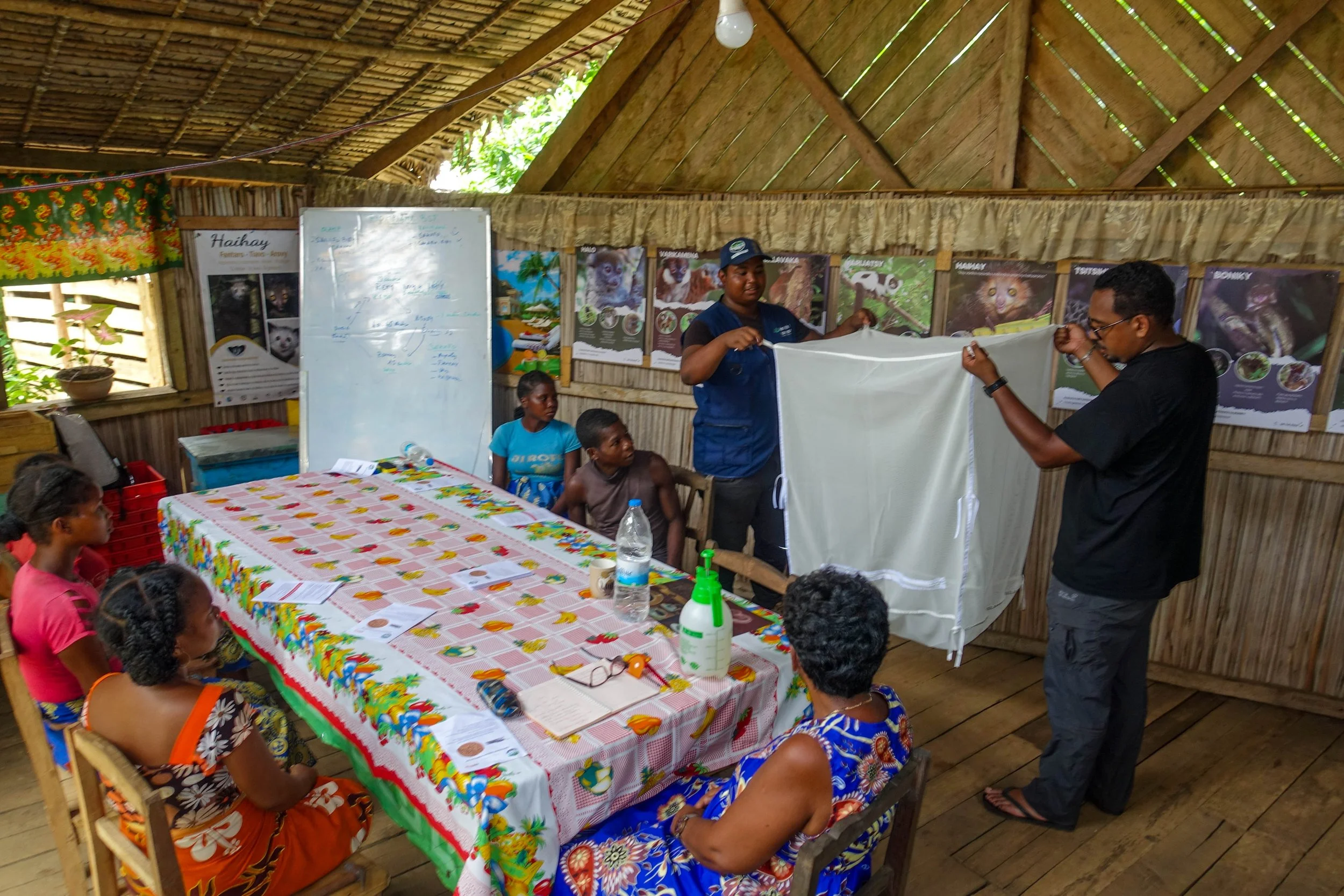
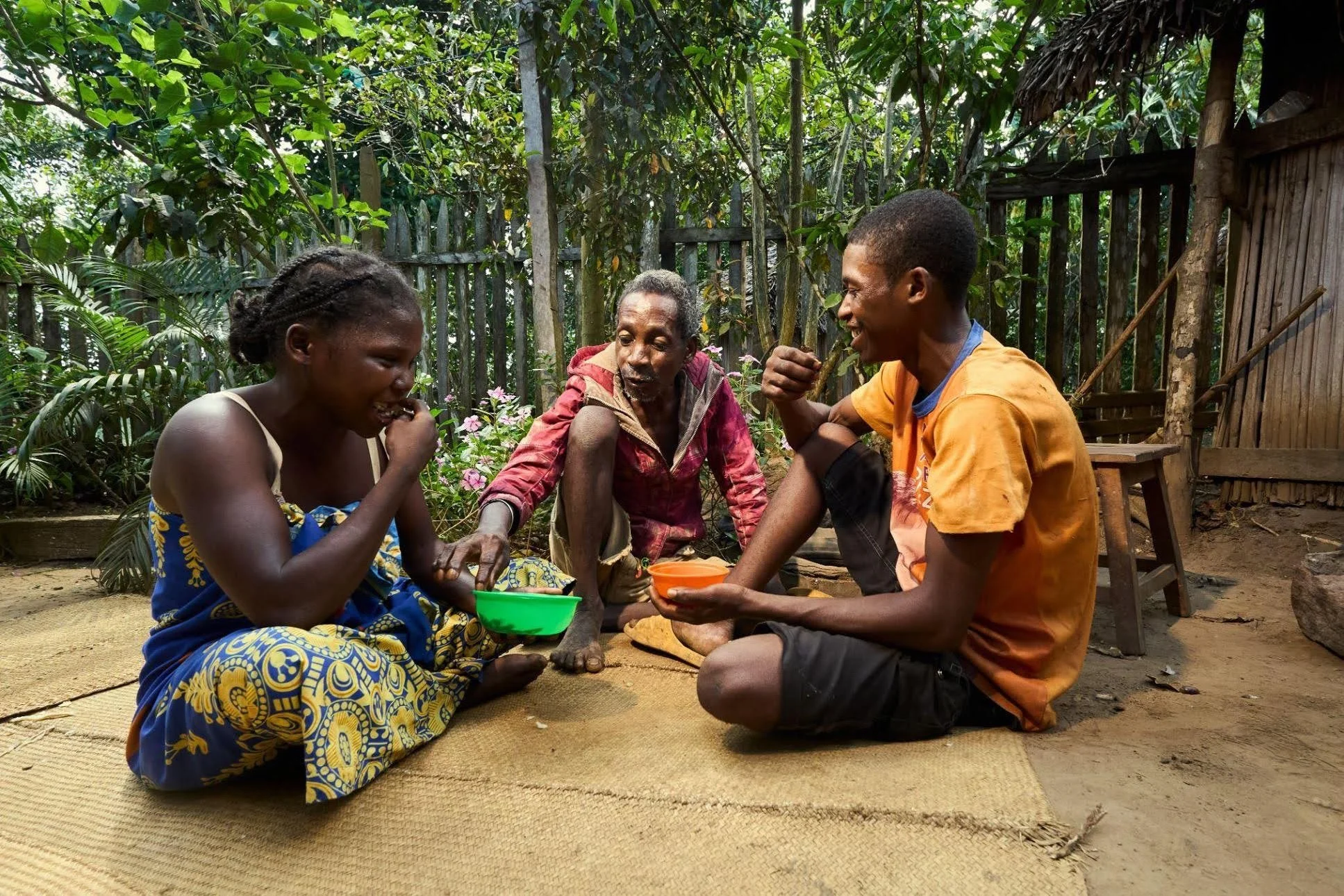
The next steps involve scaling BSF production systems across the region. FAMI is implementing 350 BSF farms across 20 villages in the Manombo region, with 10% already operational and successfully doubling production after the first harvest; FAMI is also currently exploring the expansion of BSF potential in partnership with Doctors Without Borders (MSF).
This agricultural research complements HIH, FAMI, and MBC's ongoing work examining community acceptance of BSF larvae as a food source in the region, with findings expected to be published in PLOS ONE soon. Together, these studies highlight the dual potential of BSF systems to address both soil fertility and protein nutrition challenges facing Madagascar's rural communities.