
Community Thriving Narratives – Launching Today
As world leaders prepare for COP30 in Brazil this November, Indigenous communities protecting the world's tropical rainforests too often have been telling their conservation stories through intermediaries, researchers, NGOs, and filmmakers from outside their communities.
A groundbreaking new partnership is changing that dynamic, training forest guardians to become filmmakers and document their own realities in their own words.
Community Thriving Narratives (CTN) is an initiative that aims not to impose narratives, but instead to resource communities in telling their own stories on their own terms.
Launching globally on November 4th, 2025, and screening at COP30, CTN fosters community members in creating stories rooted in their lived experiences, cultural knowledge, and visions for the future of their forest and territory.
Read on to learn more about CTN, watch, and share the films.
The Story of CTN
As a collaborative initiative, CTN was developed by Health In Harmony, If Not Us Then Who? (INUTW), Ulu Films, and FSC Indigenous Foundation (FSC-IF) to amplify the voice of Indigenous communities in Panama through workshops and media training.
At the end of 2024, four Indigenous communities in Panama — Alto Playón, Puerto Lara, Embera Puru and Arimae — came together to share their voices and reclaim their narratives through a powerful process of collective storytelling.
In September 2025, the first CTN films were shared with audiences at Climate Week NYC. At COP30 in Brazil this November, the films will screen across talks advocating for community storytelling as both evidence and strategy for Indigenous land management.
Check our COP30 schedule for screenings.
The Films
Indigenous cinema is not just a form of artistic expression, but a powerful voice that amplifies struggles, strengthens identities, and contributes to political and social change. CTN launches with three films:
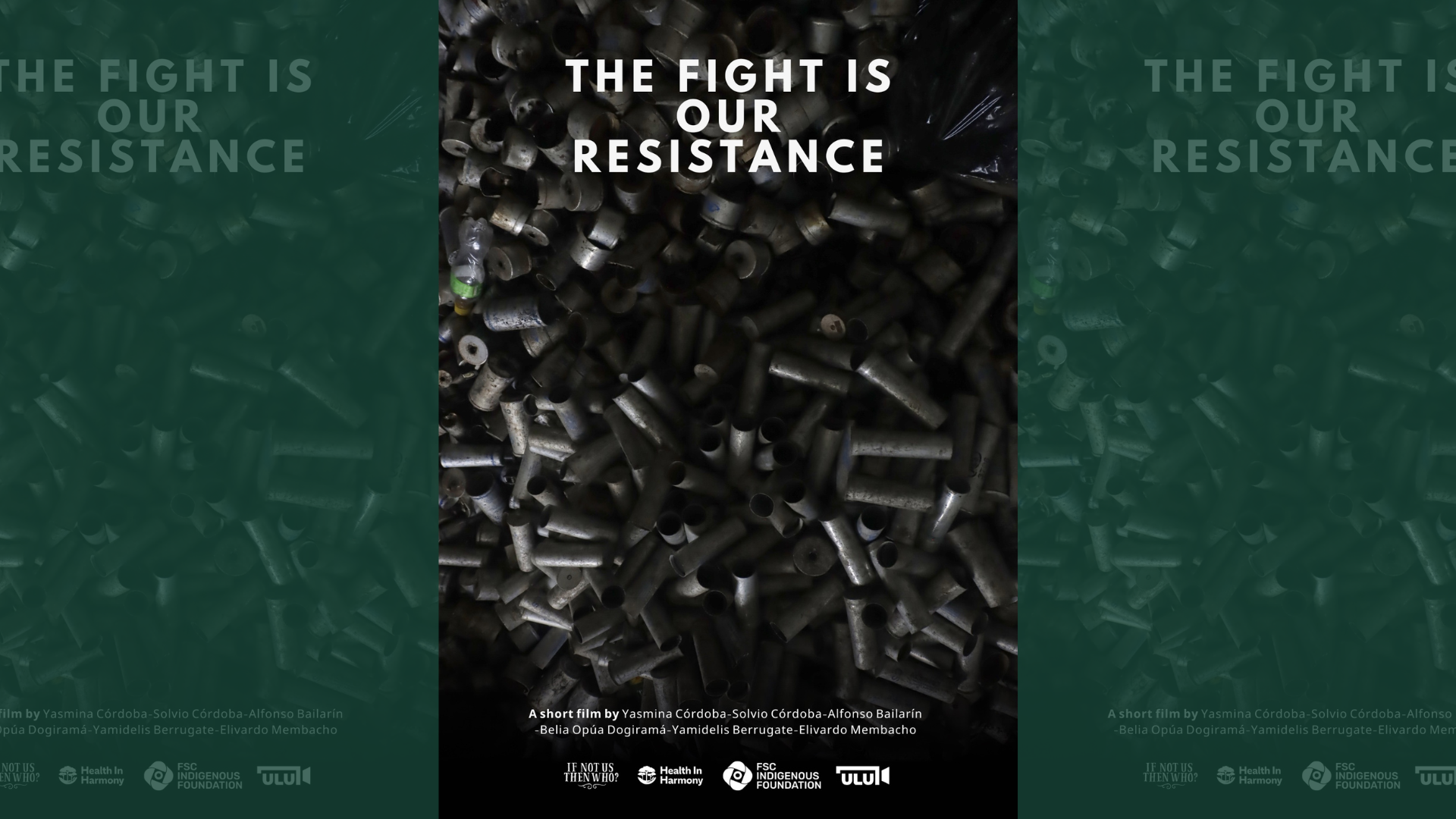
Arimae: The Fight is our Resistance documents how, on May 31, the Emberá community of Arimae in Darién marched peacefully against Law 462, which reforms Panama’s social security system. The Emberá-Wounaan describe the law as unjust and discriminatory. State repression put children, women, and elders at serious risk.

Puerto Lara: Water is Life explores how the community of Puerto Lara is facing a water crisis due to persistent failures in its water supply system. Despite repeated promises from the authorities, the situation remains unresolved.

Alto Playón: Consequences of Migration looks at how outbreaks in Alto Playón are attributed to water contamination, largely due to the high number of migrants passing through the area. Despite repeated commitments and promises of assistance from the Panamanian government, no tangible projects or aid have materialized to date.
The Workshop Program
CTN began when more than 40 community participants took three-day in-person workshops in Panama, over a period of six months, where they received hands-on training to develop their own narratives. To enhance their storytelling capabilities, participants were provided with essential tools, including smartphones and app licenses for video editing.
These workshops were part of the project “Promoting Indigenous Nature-Based Business Models,” which aims to strengthen narrative sovereignty, environmental stewardship, and sustainable economic development within Indigenous communities.
To foster creative collaboration, WhatsApp groups were created, serving as platforms for continued communication, idea exchange, and peer support in content creation. The workshop also played a key role in strengthening relationships between local communities, promoting dialogue, shared learning, and social cohesion.
CTN Going Forward
As an ongoing project, Community Thriving Narrative amplifies the voices of Indigenous communities in Panama and beyond through culturally rooted storytelling that connects environmental protection with community health and sustainable livelihoods.
In alignment with Health In Harmony’s planetary health approach and If Not Us Then Who’s commitment to narrative sovereignty and climate justice, CTN supports locally-led content creation and legal integrity through Free, Prior, and Informed Consent (FPIC) – connecting storytelling with systems change, community resilience, and climate justice.
CTN will also form a qualitative analysis of rainforest communities’ planetary health work. When combined with the quantitative metrics of carbon and biodiversity, this will play an important role in global advocacy for Indigenous Peoples, Afro-descendants, and local communities.
We are excited to continue to grow the CTN project in Brazil, working with Indigenous communities and trainer/mentor Renan Khisetje in the Apyterewa Indigenous Territory in the state of Pará. More to share on that soon.
Sharing CTN
The goal of CTN is to facilitate a knowledge transfer of the Indigenous science, cultural, and spiritual practice of living in balance with nature to a global audience.
You can amplify these stories by sharing the films on Instagram, LinkedIn and Facebook.