
Cervical Cancer: A Gendered Exploration of the Preventable Cancer Impacting the Women of the Manombo Rainforest
This article was first shared by Dr. Farah Nabil, Health In Harmony’s Grants Portfolio Manager, on LinkedIn. Share the post here or follow Health In Harmony on LinkedIn for more updates like this.
Cervical cancer is one of the few cancers that science has figured out how to (almost) entirely prevent. Yet, it still kills around 350,000 women a year (World Health Organization, 2026). Cervical cancer is caused by a virus called human papillomavirus or HPV, and it is the most common sexually transmitted infection (STI) there is. When the body is unable to clear the infection on its own, the infection persists and, over years or even decades, continues to affect the cells of the cervix, eventually becoming cancer.
The reason this disease is extremely preventable is that there is a highly effective HPV vaccine. And even for the women who have already contracted HPV, if detected early, it can be treated before it develops into cervical cancer. Even an early diagnosis of cervical cancer significantly increases the patient’s chances of survival. But, with all these available advances, cervical cancer continues to take the lives of many women, especially in low- and middle-income countries (LMICs), while high-income countries (HICs) are getting increasingly close to eliminating this cancer.
One of the LMICs with the highest cervical cancer burden in the world is Madagascar, where gender inequalities intersecting with other structural and systemic issues contribute to a vast disparity in the burden of cervical cancer.
On this World Sexual Health Day, let’s explore how that burden ties to planetary health and what the Health In Harmony team in Madagascar has been doing over the past few years to save more lives from this preventable disease.
Cervical Cancer in Madagascar
In Madagascar, cervical cancer is the leading cause of cancer death amongst women. It is estimated that every year, close to 2,500 women (out of roughly 3,700 diagnosed) die as a result (ICO/IARC Information Centre on HPV and Cancer, 2023). This tells us that close to two in three women diagnosed in Madagascar die of it. This is due, in part, to the lack of early diagnosis of the HPV infection or of the cancer. The Malagasy Ministry of Public Health notes that more than 60% of the women who have gynecological cancer are only seen by a healthcare provider at an advanced stage of their disease (Health In Harmony, 2023). Such an advanced stage would require more costly, inaccessible, or invasive types of treatment such as surgery, chemotherapy, and/or radiotherapy, which in Madagascar are reported to be extremely limited relative to the population size of 30+ million people.
The main issue contributing to the high burden of mortality and morbidity from this cancer is the fact that prevention efforts came in much later after becoming available. As of 2006, a fully approved HPV vaccine was widely available and was adopted by many countries, mostly of high income. Madagascar was only able to launch a national HPV vaccination campaign as of late 2025 (Ranaivomanana et al., 2026). This means that for close to two decades, Malagasy women and girls had no access to HPV prevention.
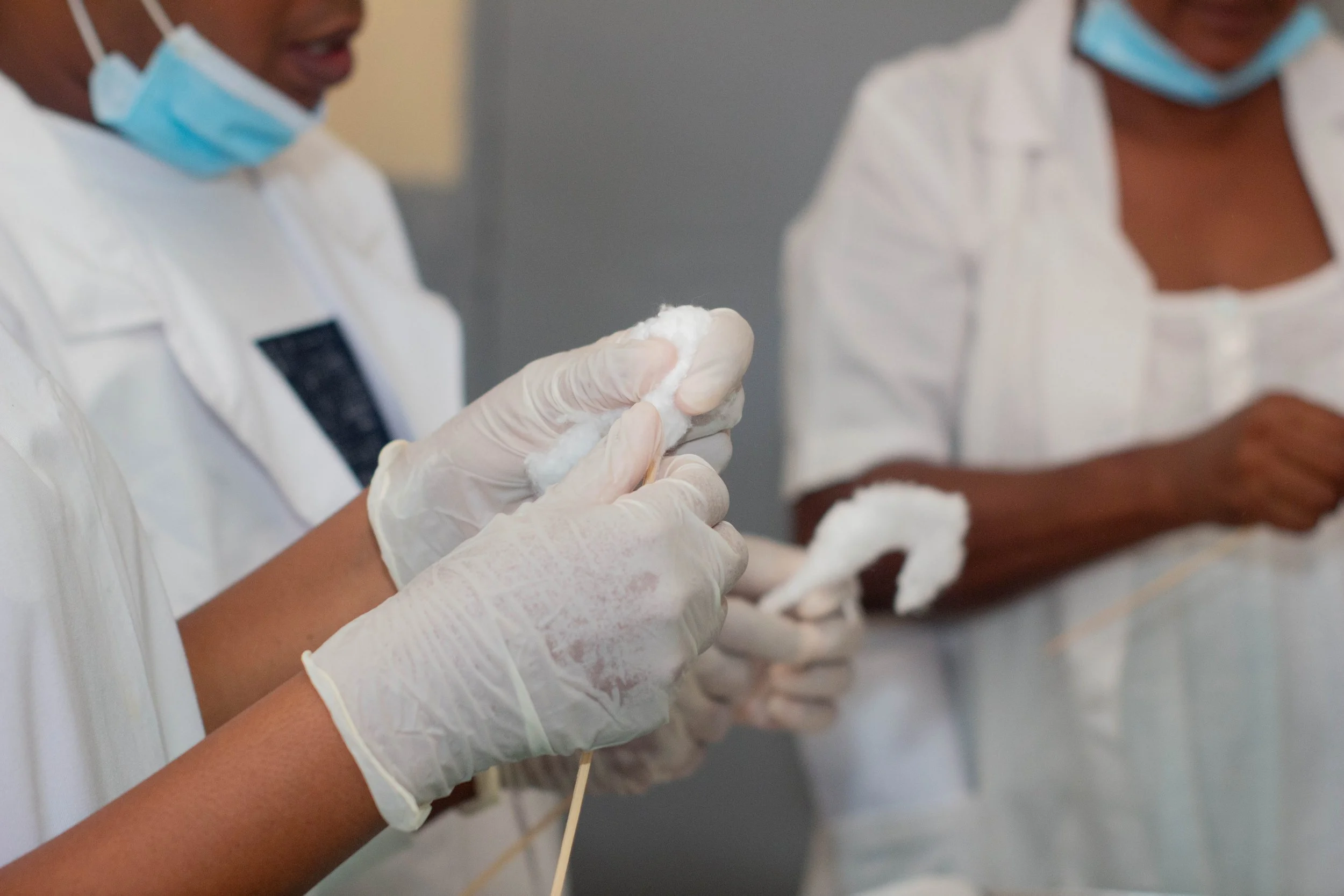
Another contributing factor is the fact that screening comes in too late, if at all. Lab-based testing of cervical cancer and HPV requires costly infrastructure and trained cytologists, which are not readily available outside a few urban contexts in Madagascar. This scarcity of resources is one of the reasons why most Malagasy women have never had the option to receive cervical cancer or HPV screening in their lifetime, although cervical cancer is the leading cause of cancer death among women in their country.
However, as we have just outlined, Madagascar has been taking big steps to improve the situation. A joint review by the International Atomic Energy Agency, the World Health Organization, and the International Agency for Research on Cancer (2025) revealed that Madagascar has built real foundations for cancer control since the previous assessment a decade earlier, expanding cervical cancer services and maintaining a trained health workforce across six faculties of medicine.
While there is progress in the right direction, it is only very recent and significantly more available to women in urban settings than to women who live days away from a hospital, in or around one of the country’s remote rainforests, such as the Manombo Rainforest where our Malagasy Affiliate, HIH-FAMI, has been working for the past 6 years.
Cervical Cancer in the Manombo Rainforest
The Manombo Rainforest is located on the southeast coast of Madagascar, specifically in the region of Atsimo Atsinanana. It is one of the most biodiverse places on earth, housing species that are found nowhere else in the world. Since 2020, HIH-FAMI, has been working alongside the approximately 15,000 people of the 31 communities living in and around this rainforest.
The communities living in and around the Manombo Rainforest are some of the hardest places to reach in the country, even by official state services. The Atsimo Atsinanana region is ranked as the 21st out of 22 regions on the Human Development Index as of 2018 (United Nations Development Programme & Global Data Lab, 2018). The region’s capital, Farafangana, is where the main hospital is located and serves more than a million people. The Farafangana hospital is located 25 kilometers, or close to 16 miles, away from the Manombo Rainforest.
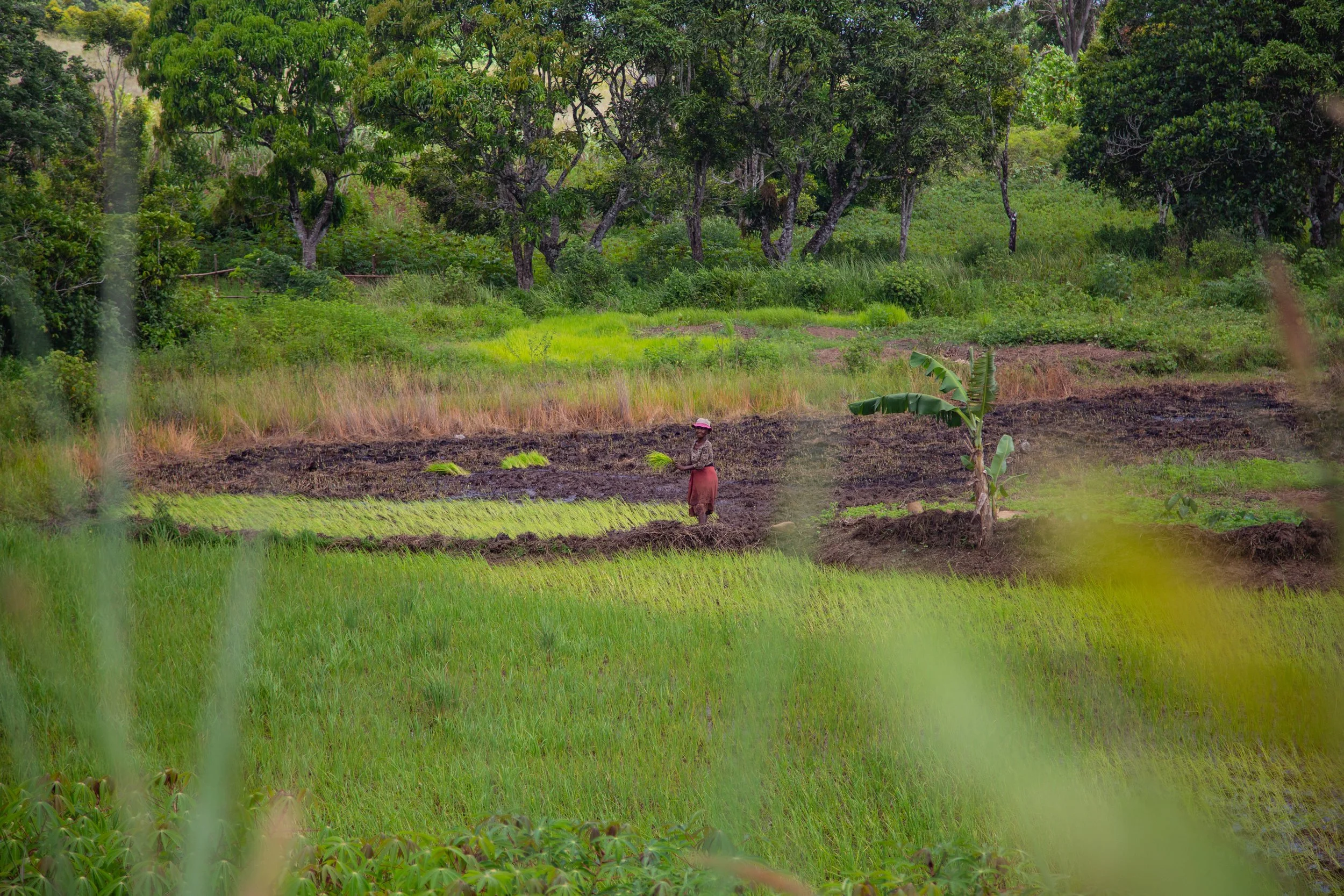
What this translates to in practice is that if a woman of the 31 communities living in or near the Manombo Rainforest needed to get tested for HPV or cervical cancer, she’d need to take a day or two to do so; she would lose out on a day or two's worth of income, she would need to delegate her domestic chores to someone else, she would need in some cases to request permission from a male family member, she would need to spend money on the journey to the Farafangana hospital. If the test turns out positive, the woman would have to do all of this regularly to receive treatment. To many women, this is simply unfeasible, inaccessible, and debilitating.
The HIH-FAMI team could clearly see these problems and worked alongside the women and men of Manombo to address them on the communities’ own terms. In 2023, they established a cervical cancer screening program that was accessible to the entire population living in and around Manombo.
Gender as a determinant of cervical cancer
In 2008, the WHO published its framework for the social determinants of health: a group of factors (such as socioeconomic class, geographic location, ethnicity) that affect how people are born, live, and age, and in turn affect their health outcomes (WHO, 2008). This reinforced the view that health is not strictly biological, as was previously the common understanding, but it is much more complex than that, where the interactions and intersections between many sociocultural, political, structural, and biological factors come together to shape the health prospects of individuals and their communities. Gender is a crucial social determinant of health. Gender is a sociocultural construct that dictates the roles, norms, and responsibilities that are assigned to individuals based on their biological sex (which is a combination of physiological, anatomical, and chromosomal variables as opposed to gender).
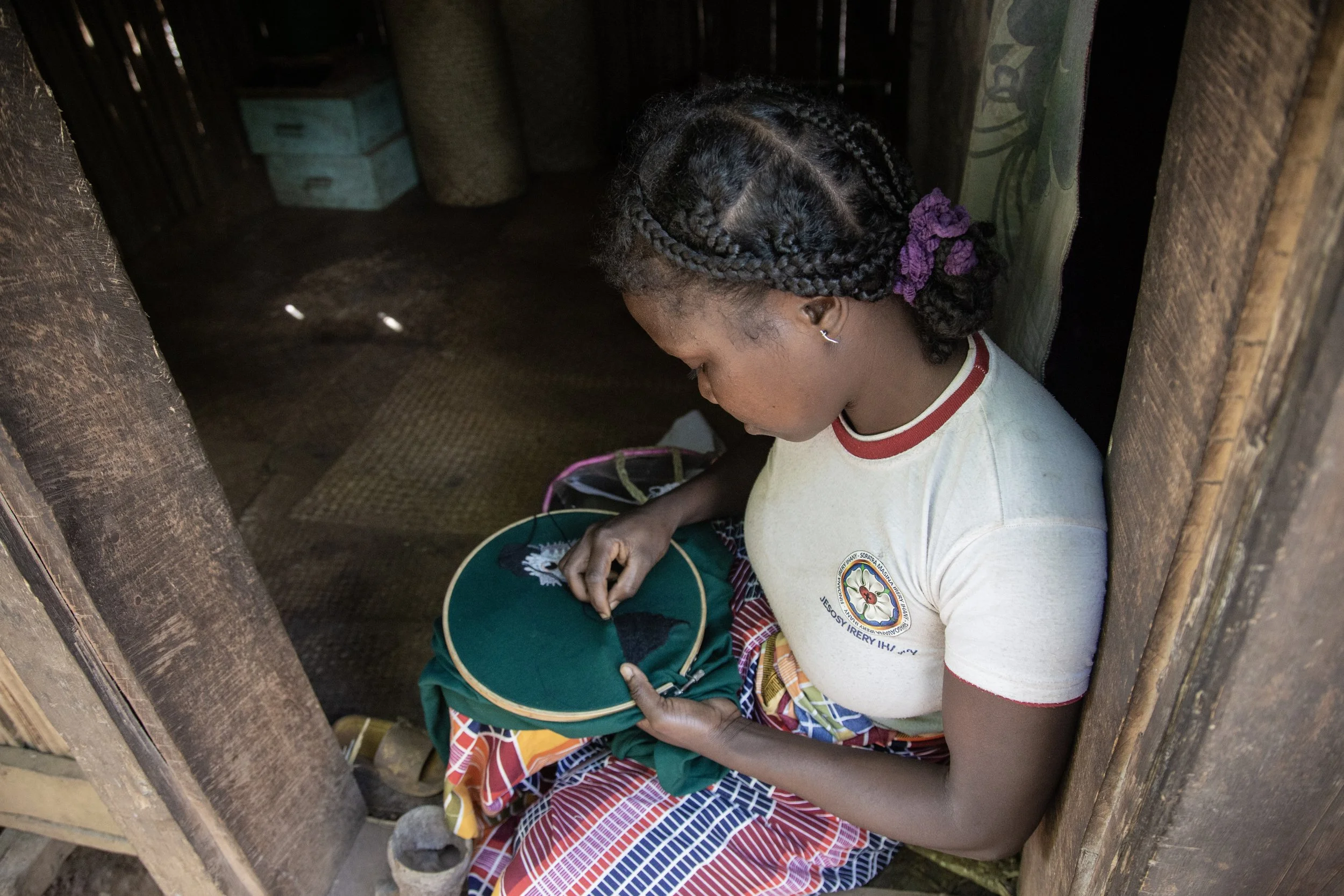
So how does gender impact one’s health? For instance, in many areas of the world, women have less decisional autonomy and freedom of movement than their male counterparts. This means that they have less decision-making power about their health, about going to the clinic, or about spending money on a healthcare procedure. This could in turn lead to a lack of access to preventative, diagnostic, or therapeutic interventions, which in turn can influence health outcomes negatively, in comparison with men who do not have these structural restrictions in place.
Gender roles, norms, and relations do not only affect women or girls. For example, in many societies, the dominant form of masculinity requires that men engage in impulsive, risky behaviours and shame self-care or health-seeking behaviours. This could in turn lead men to engage in behaviors that could be damaging to their health, such as abstaining from frequent handwashing, or abusing alcohol, engaging in interpersonal violence with other men, etc.
Like the vast majority of health conditions, cervical cancer is also significantly determined by gender-specific variables. Let’s take a life course approach to cervical cancer and walk through the different stages of a patient’s life from birth to death.
Vony’s story: a hypothetical case study
Our hypothetical protagonist’s name is Vony. She is not a real person; her story was assembled from data about the region and what the women of its communities have been telling researchers in the last couple of decades.
Vony was born near the Manombo rainforest in the Atsimo-Atsinanana region in 1995, where even before she was born, traditional birth attendants decided her birth would be worth less than a baby boy’s. The price of being born is gendered, and according to research and women’s own words, it’s because a boy is more likely to earn money in the future than a girl, and that’s why the birth attendant charges slightly higher with 5,000 ariary for a girl vs 20,000 ariary [fn: 1 USD is equivalent to 4,300 Malagasy Ariary at the time of drafting this article.] for a boy (World Bank, 2023).
Vony is now 6 years old and starts going to school. She does really well in school, but her family struggles to keep up with the cost. School is free on paper, but the parents have to come up with the money to buy her school uniform, supplies, lunches, and to financially help the unsalaried teachers. She is one of the lucky ones to get to go to school, as research shows that more than half of the women in her region are illiterate. Comparing that to the 8.7% of female illiteracy in the Malagasy capital, we can see how geography and gender can intersect to compound harm or vulnerability (Institut National de la Statistique & Ministère de la Santé Publique, 2022).
Vony is getting older. She’s 10 now and has more responsibilities around the house and outside that her brothers do not. She has to help her mother with water fetching. At first she tried to reconcile her schoolwork with her water fetching responsibilities, but then it became close to impossible. HIH’s research in Vony’s region showed us that women and girls do 96% of water fetching, and that it takes them up to 1.5 hours daily. The research shows that girls take up to 50% longer than adult women to fetch water. Vony starts to deprioritise her schoolwork to keep up with the domestic demands and later drops out. She’s now 12, and she’s amongst the 63% of girls aged 12-15 who don't finish lower secondary school in her country (World Bank, 2023).
Vony is now 13 and has started menstruating for the first time. Like many girls in her region, she only learned what menstruation is only after it began. After having been bleeding for hours, she finally decided to bring the issue up with her mother, and her mother was then able to provide her accurate information about what’s happening in her body, unlike many other girls her age. Many studies in Madagascar report that sexual and reproductive health is a taboo subject between parents and their children, with girls reporting being afraid of raising such topics with their mothers.
Vony is turning 16 next month, and her family is already planning her wedding. They have received many suitors, but have landed on a young chicken farmer of 28 years old who works nearby. Similar to many of the girls in her region, Vony is going to marry before she turns 18. And like half of the girls around her, she will have already begun childbearing by the time she’s 19. Her girlfriends who were in school and got pregnant got expelled from school, and although national policy permits returning to school after a girl has given birth, raising a child and going to school are often incompatible and not feasible for many of these girls. Not having enough education lowers employment prospects and thus leads to lifelong economic insecurity and a lack of financial autonomy for a large cohort of women and girls in rural Madagascar, where they would have to become financially dependent on male family members.
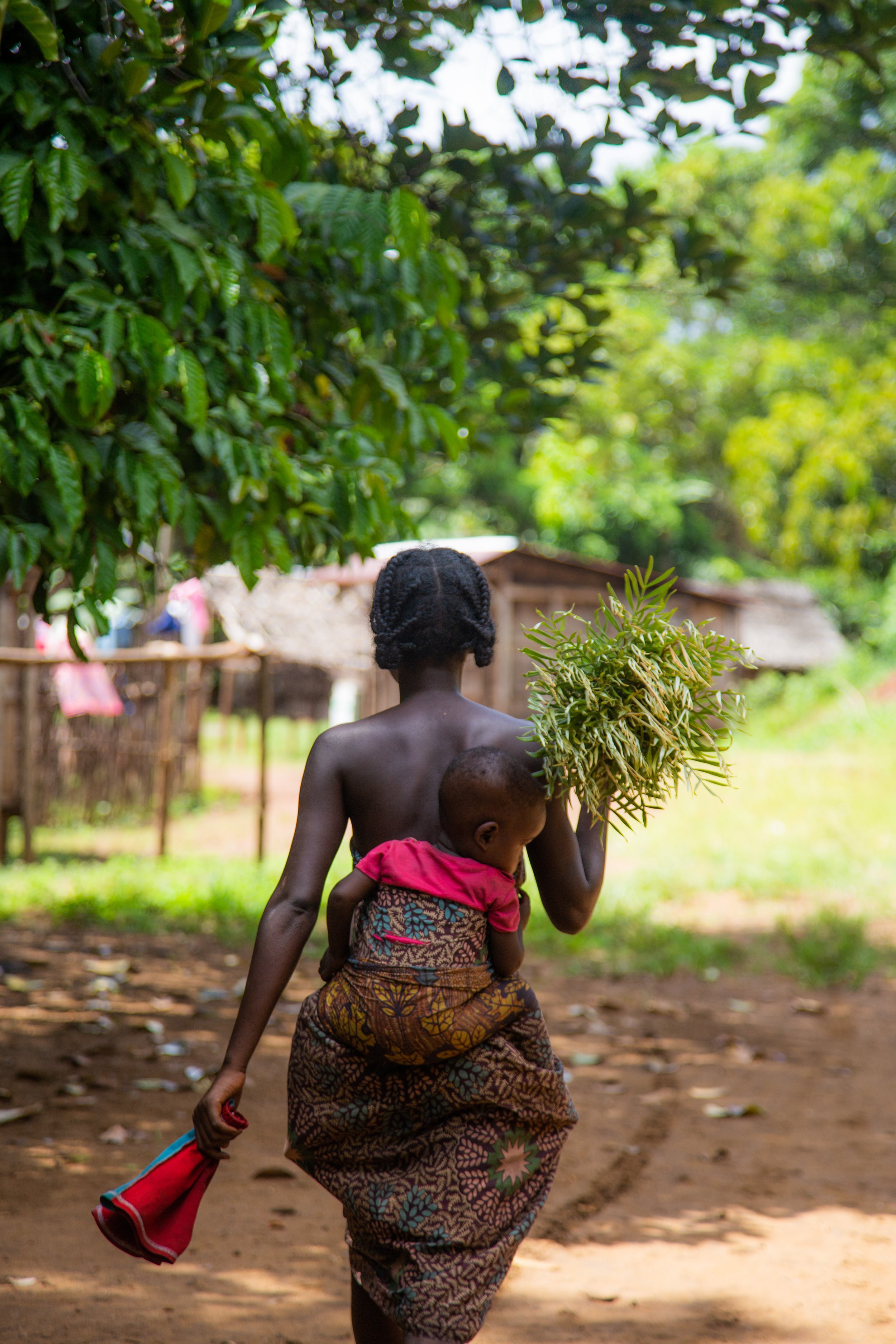
Vony did not want to have a child right away, but her husband was not in agreement. She would often hear him say that motherhood is proof of her love for him, and only unfaithful women use contraception or any form of protection against sexually transmitted infections (STIs) such as HPV. After giving birth to her first child days after her 18th birthday, she wanted to seek family planning, but she would have had to do it in secret as her husband would not have granted her permission. She knew it was going to be difficult to justify why she wanted to leave the house and to come up with the money. She would have had to travel more than 15 miles or 25 kilometres to reach the nearest hospital, which meant leaving her child and not helping out with her husband’s chicken farming business. This shows how gender roles, norms, and relations are at play here to simultaneously undermine Vony’s autonomy as well as her access to sexual and reproductive health care.
When Vony turned 30, she finally heard on the radio that the Malagasy Ministry of Public Health was rolling out this new vaccine for a virus called HPV that was responsible for cervical cancer. Vony was very familiar with cervical cancer, as it was behind the death of two of her aunts. She had two daughters at the time, 9 and 12 years old. She managed to convince her husband to go to the Farafangana hospital to learn more about it.
After reaching the hospital, Vony was disheartened to learn that she had passed the HPV vaccine window by over a decade, but the good news was that her two daughters could get vaccinated, and for free. Vony was offered a cervical cancer screening test; she was glad to know that her results would be revealed in minutes and that she did not have to make the lengthy journey again soon. The test indeed revealed precancerous lesions, however, she was able to get treated on the spot using cryotherapy in under 20 minutes.
Vony’s daughters have the chance to grow up in a different Madagascar than the one she did, where they have a way of feasibly protecting themselves against HPV and cervical cancer as opposed to their older counterparts.
While the vaccine is the most important determinant in preventing the virus and protecting against cervical cancer, it cannot address the gender inequalities that Vony was up against. If Vony’s daughters also have to leave school, if they have to become child brides, if they are in no position to make autonomous decisions about their sexual and reproductive health, then they risk negative health outcomes like their mother did. This is why health cannot be examined in a silo. It is simply inseparable from gender equalities and social injustices that compound to worsen it.
This takes us to another story, one that is real this time, about a woman in the village of Vohilava in Manombo, and her name is Solange.
Solange’s experience with cervical cancer in Manombo
Solange is a mother of five and a weaver who lives in Vohilava. She was treated for cervical cancer by HIH-FAMI doctors. Fifteen days afterwards, she was invited to Farafangana for a check-up to find out where she stands. This is what she said while she was waiting to know:
“I was treated by Health In Harmony’s doctors for cervical cancer, and now, fifteen days later, they invited me to go to Farafangana for a check-up. If I am declared recovered, I will be able to teach my peers about this disease and convince them to go to the doctor to get treated. If I am healthy, I will be able to support my husband and feed our children by working and weaving. If the disease is treated in a timely manner, our expenses won’t be too much and we will be able to save money.”
Reading Solange’s words, we can clearly see how health is an enabler for her, that can open doors to a better quality of life, for her, for her spouse, and for her children. How receiving healthcare without having to incur catastrophic health expenditure is paramount. A catastrophic health expenditure that could force her and her family to log the forest and sell the timber.
A healthy woman is a woman who can work and who can provide for herself and her family. Her health preconditions her livelihood, and as a weaver, her livelihood comes from the forest that her community protects and stewards. This seamlessly shows us how human health and ecosystem health are interconnected.
Solange also tells us that a healthy woman is a woman who can empower other women and girls in her community to stay healthy against HPV and cervical cancer. Solange providing health information to her community members is especially valuable in a context such as that of Atsimo-Atsinanana, where more than half the women cannot read, so word of mouth would be the perfect vehicle for cervical cancer information to reach them.
Now, Solange’s village has access to a health center, with which HIH-FAMI collaborates for cervical cancer screening and treatment, as well as the capacity-building of local healthcare providers.
Shared Solutions
The women and men of the Manombo communities made it clear that the inaccessibility of screening was something that needed to be addressed.
In response, HIH organized an initial training in Farafangana in February of 2023 alongside the Malagasy Ministry of Public Health, where 56 healthcare workers took part. HIH’s medical staff took part in the training too. The contents of the training, as well as the classes, were delivered by the Malagasy public health system (Health In Harmony, 2023).
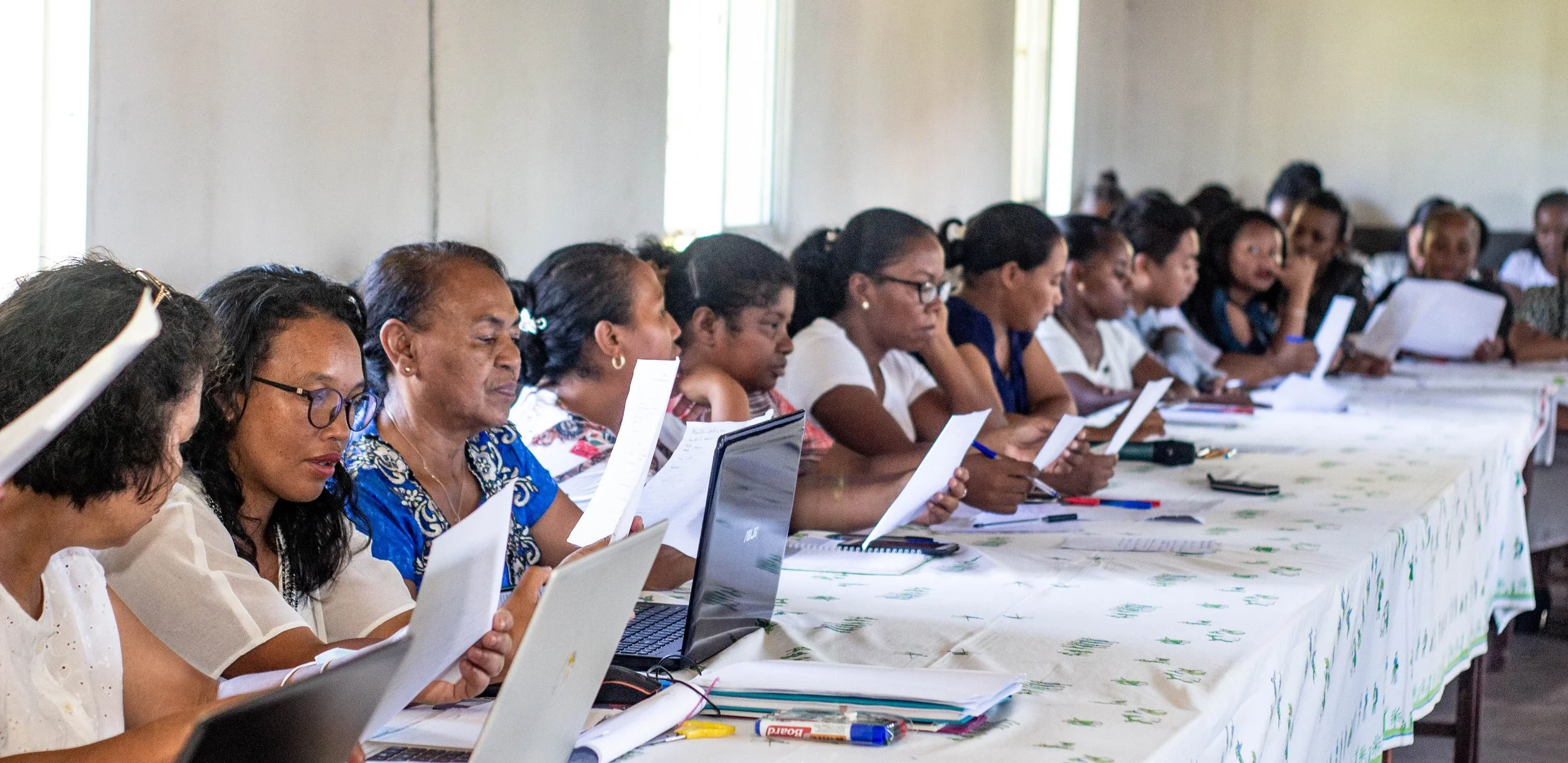
The training covered the screening of cervical cancer screening through visual inspection with acetic acid, as well as the treatment of precancerous lesions with cryotherapy. Both methods were selected specifically to account for the specific context of the setting in terms of remoteness and infrastructure. For instance, the visual inspection using acetic acid can be done outside of a laboratory, without a certified cytologist, and with no long wait times to receive the test results. What this method involves is simply the healthcare worker applying the acetic acid to the cervix, and this causes a reaction that can be read by the naked eye within minutes.
The method for treating the precancerous lesions is also simple and effective. Cryotherapy works by freezing precancerous cells and only takes 15 minutes.
These two methods of screening and treatment together allow women to receive both services in the same visit, and in under half an hour. This is a very significant shift from the lengthy process that a woman would have had to go through for screening and/or treatment, even at the health centers and other facilities in the city of Farafangana. Another important change that occurred was the fact that the women did not have to travel at all to receive this healthcare. From 2023 onwards, screening became available free of charge at health centers across the whole of Farafangana district, not only in the town.
The training that HIH funded and organized, in addition to delivering certifications to the trained professionals, also provided the 90 specula for cervical cancer screening to all 38 health centers in Farafangana, while the referral hospital received a cryotherapy machine and its gas cylinder. All of the women across Farafangana District would then be able to be screened for cervical cancer free of charge at any basic health center in the district.
Across three years, roughly 2,788 women have been screened and 325 treated for changes that, left alone, could have become cancer. The share of women who screened positive and then received treatment or referral rose from 85 percent in 2023 to 98 percent in 2025 (Farafangana District cervical cancer screening register, 2023–2025).
HIH-FAMI's mobile clinics carry the same service directly into villages that have no health center of their own, running around 260 clinics a year. Of the 1,116 screenings recorded in 2025, 280 were carried out by Health In Harmony and 836 at government health centers.
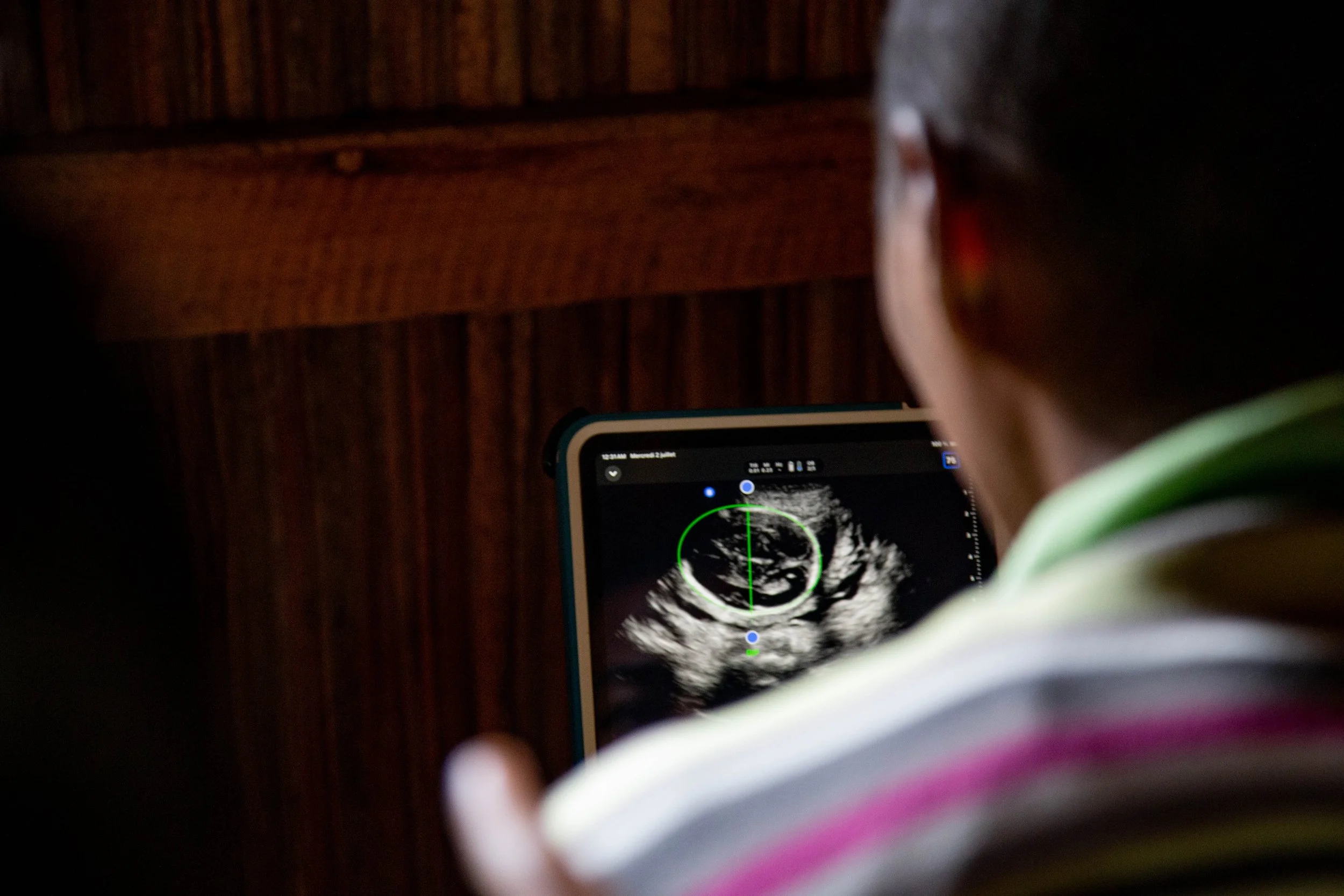
Building the service this way was a deliberate choice about durability. A service that exists only where an international organization happens to be present is a service women can lose. Training government staff, equipping government facilities, and reporting into the government's own system, the capacity stays in the district whether or not our teams are there.
HIH-FAMI's plan for 2026 and beyond takes that further. The transition away from mobile clinics will take place through strengthening the referral health centers, and, more importantly, by establishing village health posts staffed by Health Guardians from within the community itself. These posts sit within the Ministry of Health's community health level, and they will allow non-complex conditions to be treated in the village.
Looking ahead
The prospects for women’s sexual and reproductive health in Madagascar are looking much better than they did 3 years ago. However, much remains to be done to ensure that access to resources and decision-making are equitable for women and girls across the country, and that gender and social injustices will not impede their participation in the government’s new cervical cancer and HPV initiatives.
As we’ve previously discussed, not all Malagasy women face the same gender or social inequalities. One’s experiences as a woman are shaped by how gender intersects and interacts with other sociocultural and structural factors in a given context. Women living in the capital, in an urban setting, with higher education, and a sustainable source of income could have more access to resources, more autonomy to make decisions about their health, higher access to up-to-date health information, and in turn better health outcomes than a woman of the same age group living in a rural context near the Manombo rainforest.
Cervical cancer in Manombo shows us how geography, education, and economic insecurity intersect with gender inequalities to jeopardize women’s opportunities of health service access and utilization. So, it’s not just a matter of service availability, especially in contexts that do not favor access and uptake. We are also aware of the inextricable connection between the health and well-being of individuals and their communities and the health of their ecosystem.
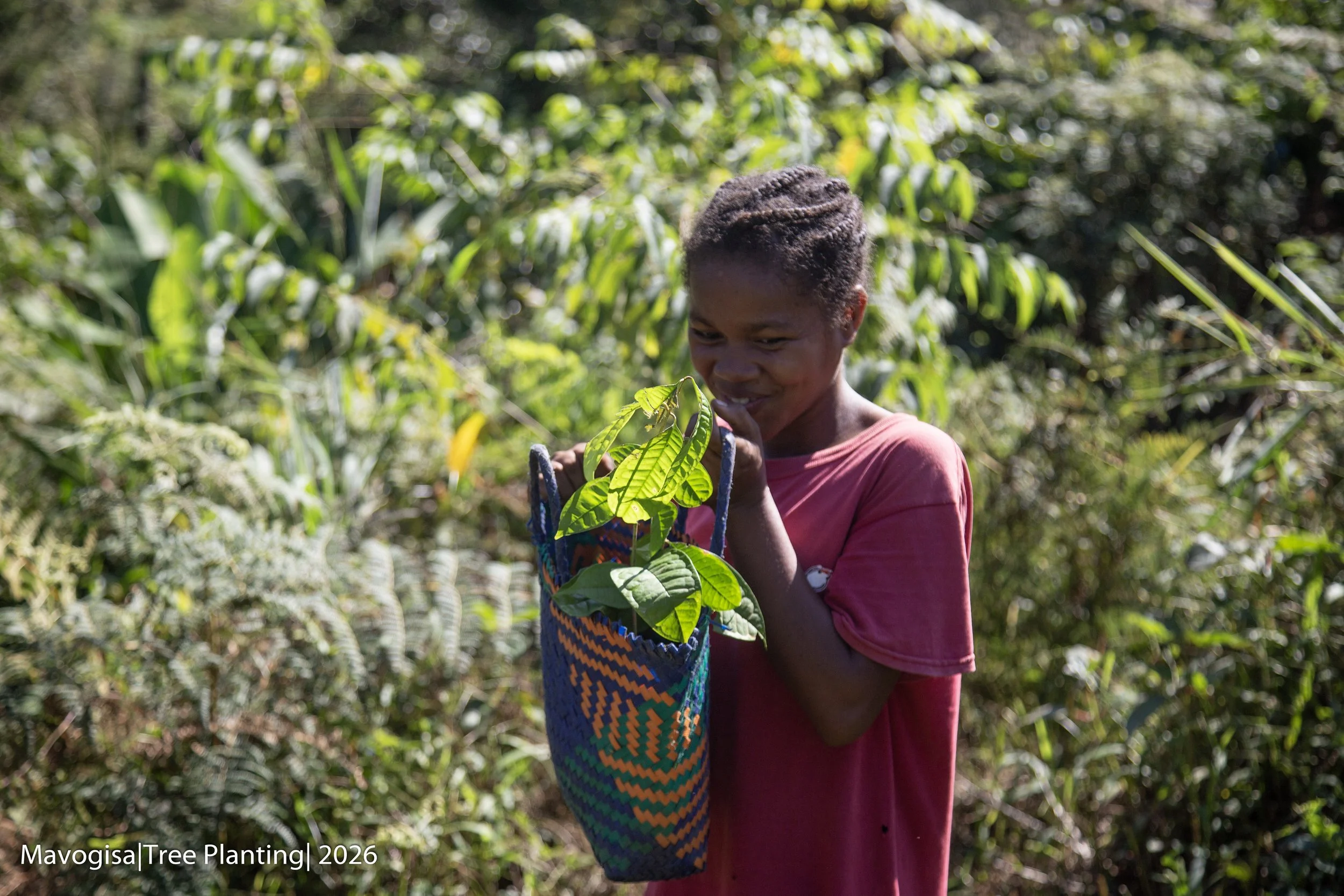
Health In Harmony’s ethos has always been: Healthy People, Healthy Forests, Healthy Planet. The planet cannot be healthy without its forests thriving, and the forests cannot thrive if the people who have been stewarding them for generations are not. Likewise, degraded forests are more likely to spread zoonotic diseases and augment climate-induced natural disasters, food insecurity, and negatively affect the communities’ livelihoods. Solange expressed this interconnectedness perfectly in her quote.
On this year’s World Sexual Health Day, the theme is: Every Body. This means that nobody gets left behind. We must recognize that the body is more than its biology and its pathology, the body is also impacted and shaped by the contexts it exists within. So on this September 4th, we are calling on climate and environmental philanthropy to consider the link between nature and sexual and reproductive health, as well as nature and gender inequalities. We’re calling on more climate funding for communities and organizations providing sexual and reproductive health to forest communities and to actors who are implementing gender-transformative initiatives, creating enabling environments for the uptake of sexual and reproductive health services that can save lives against this preventable cancer. We’re calling for cervical cancer prevention, screening, and treatment to really reach every body in Madagascar.
References
Health In Harmony. (2023). Rapport de la formation sur la prévention du cancer du col organisé par Health In Harmony, Farafangana, 13–17 février 2023 [Report on the cervical cancer prevention training organised by Health In Harmony]. Internal report.
Health In Harmony. (2025). Water access and gender in the Manombo Rainforest: Household survey findings. Internal research report.
Health In Harmony. (2026). FAMI-Health In Harmony Madagascar annual plan 2026. Internal document.
ICO/IARC Information Centre on HPV and Cancer. (2023). Madagascar: Human papillomavirus and related cancers, fact sheet 2023. https://hpvcentre.net/statistics/reports/MDG_FS.pdf
Institut National de la Statistique, & Ministère de la Santé Publique. (2022). Enquête démographique et de santé de Madagascar (EDSMD-V) 2021. INSTAT & ICF. https://dhsprogram.com/pubs/pdf/GF54/GF54.pdf
International Atomic Energy Agency, World Health Organization, & International Agency for Research on Cancer. (2025). imPACT review: Madagascar. International Atomic Energy Agency.
Ministère de la Santé Publique de Madagascar. (2023). Formation sur la prévention du cancer du col de l'utérus: Support de formation [Cervical cancer prevention training curriculum]. Ministère de la Santé Publique. [Cited in Health In Harmony, 2023.]
Ranaivomanana, M., et al. (2026). Circulating genotypes of human papillomavirus in adult women of reproductive age from the Boeny region of Madagascar: A cross-sectional study to explore needs and opportunities for HPV vaccination in the country. BMC Infectious Diseases. https://www.ncbi.nlm.nih.gov/pmc/articles/PMC12924319/
United Nations Development Programme, & Global Data Lab. (2018). Subnational Human Development Index: Madagascar. https://hdi.globaldatalab.org/areadata/shdi/
World Association for Sexual Health. (2026). World Sexual Health Day 2026: Every Body. https://worldsexualhealth.net
World Bank. (2023). Libérer le potentiel des femmes et des adolescentes à Madagascar: Défis et opportunités dans le domaine de la santé (Cahier 2). World Bank. https://documents1.worldbank.org/curated/en/099092023100025921/txt/P175658-a9b7b31d-bebb-47cf-a2c0-39ba35482ee7.txt
World Health Organization. (2008). Closing the gap in a generation: Health equity through action on the social determinants of health. Final report of the Commission on Social Determinants of Health. World Health Organization. https://www.who.int/publications/i/item/WHO-IER-CSDH-08.1
World Health Organization. (2026). Cervical cancer [Fact sheet]. https://www.who.int/news-room/fact-sheets/detail/cervical-cancer