
Xipaya documentary Yanuni debuts on YouTube
The Terra do Meio region of the Amazon is home to the Xipaya Indigenous People, who have cared for and protected the forest for generations, maintaining a deep relationship with their ancestral lands through traditional medicine, ecological knowledge, and cultural practices.
Yet despite the Xipaya People’s longstanding stewardship of their territory, this delicate ecosystem faces growing threats. Climate change and extractive activities, particularly illegal mining, are degrading the forest, threatening biodiversity, and placing increasing pressure on the communities who depend on the forest.
This concerning reality is the subject of the recent and acclaimed feature-length documentary Yanuni: a documentary portrait of Indigenous leader Juma Xipaia and an important insight into the resilience and ongoing fight of the Xipaya Indigenous People in protecting their land. Read on to learn more about Health In Harmony’s involvement with the film – which already has 3M+ views on YouTube.
About ‘Yanuni’
Yanuni follows Juma Xipaia, an Indigenous leader of the Xipaya People in Brazil’s Amazon, and her fight to protect Xipaya Indigenous Territory from illegal gold mining, land grabbing, and other forms of exploitation.
Juma’s activism began early in life by resisting the massive Belo Monte hydroelectric project, which harmed local ecosystems and Indigenous lands. From there, at age 24, Juma became the first female chief in the Middle Xingu, leading the Xipaya Tukamã village.
In 2020, Juma founded the Juma Institute, with a mission to defend the rights of Indigenous People and safeguard their cultural and territorial integrity. The Juma Institute works to preserve and produce traditional remedies, derived from the local forest and is supported by a number of partners including Health In Harmony (HIH) and its Brazilian affiliate SAMA-HIH.
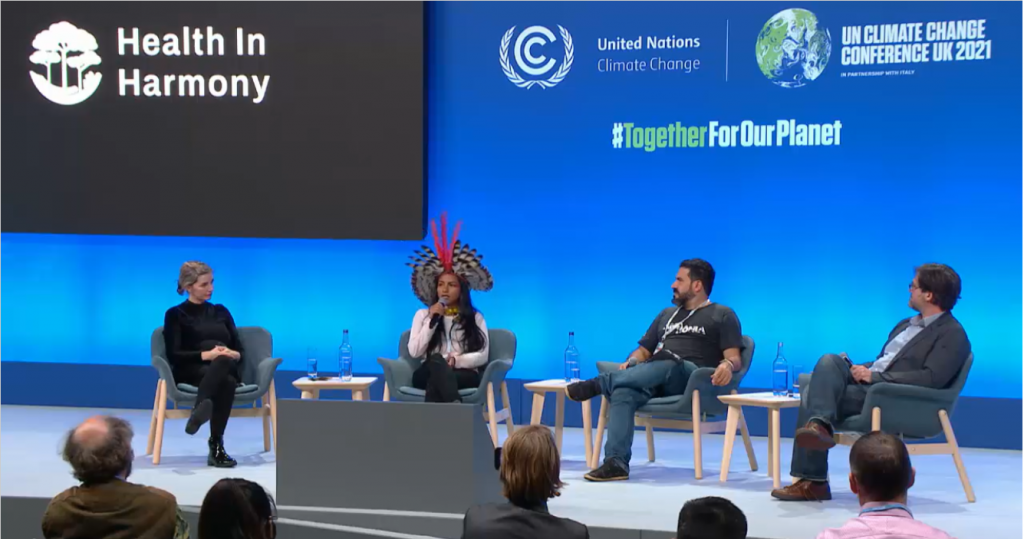
In 2021, at COP26 in Glasgow, Juma partnered with HIH to amplify Indigenous-led climate solutions and advocate for direct financing to rainforest communities. (Look out for the footage from the panel in the documentary).
Speaking to Sumaúma about Yanuni, which follows both Juma’s activism and survival of six assassination attempts while defending the Amazon rainforest, Juma explains: “It doesn’t sum up my story, nor does it encapsulate the Indigenous movement.” However, she continues, it has “broken through cinema’s closed, exclusionary barrier.”
“We’re going to be on movie screens around the world and that’s a really big thing. We’re holding this megaphone in our hands today, showing the world what it’s really like in the Amazon and Brazil, the reality of Indigenous Peoples, and also all the work being done by non-Indigenous people, like agents of [the federal environmental agency] IBAMA and other people who have other ways of fighting to defend the territory or who even hold public office, like now, in the ministry of Indigenous Peoples.”
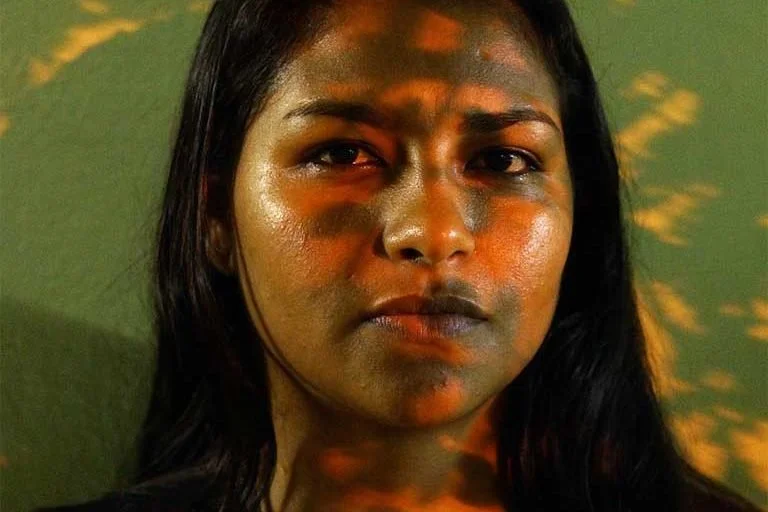
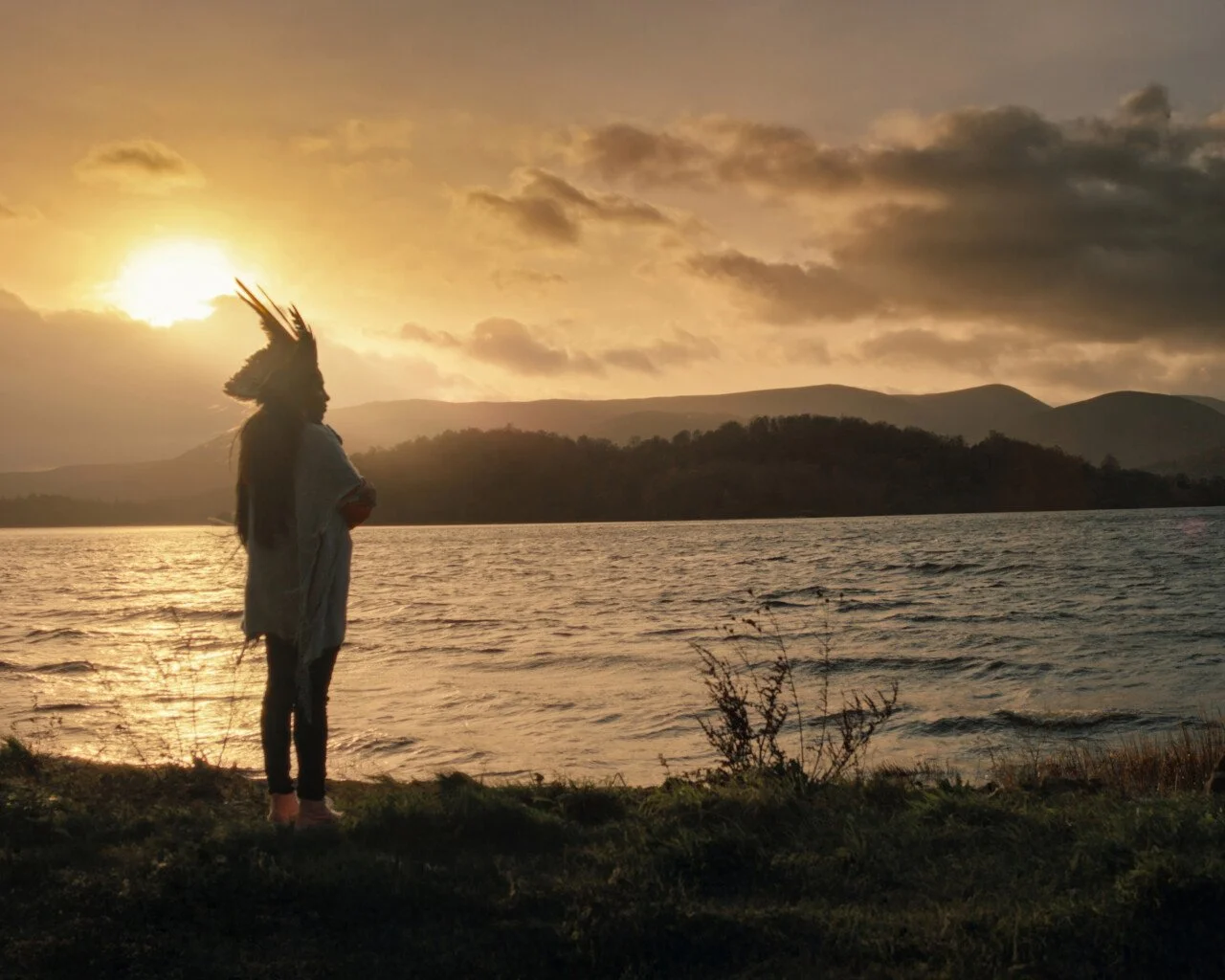
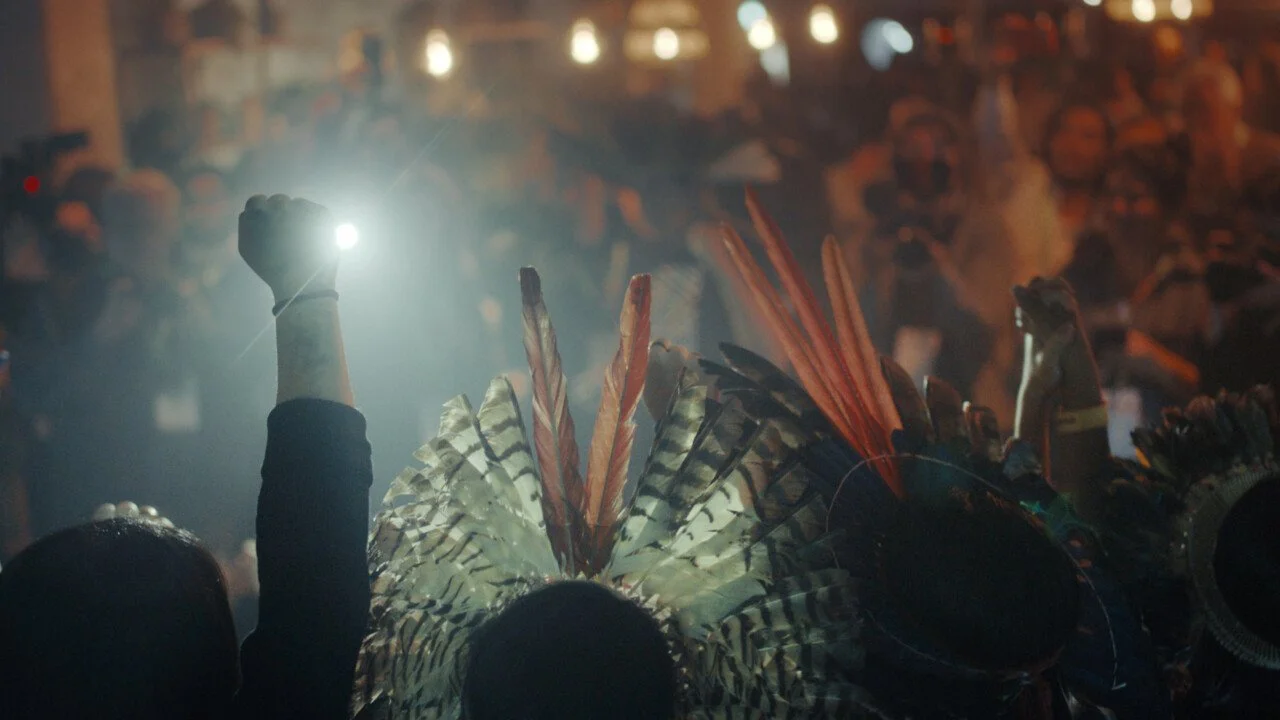
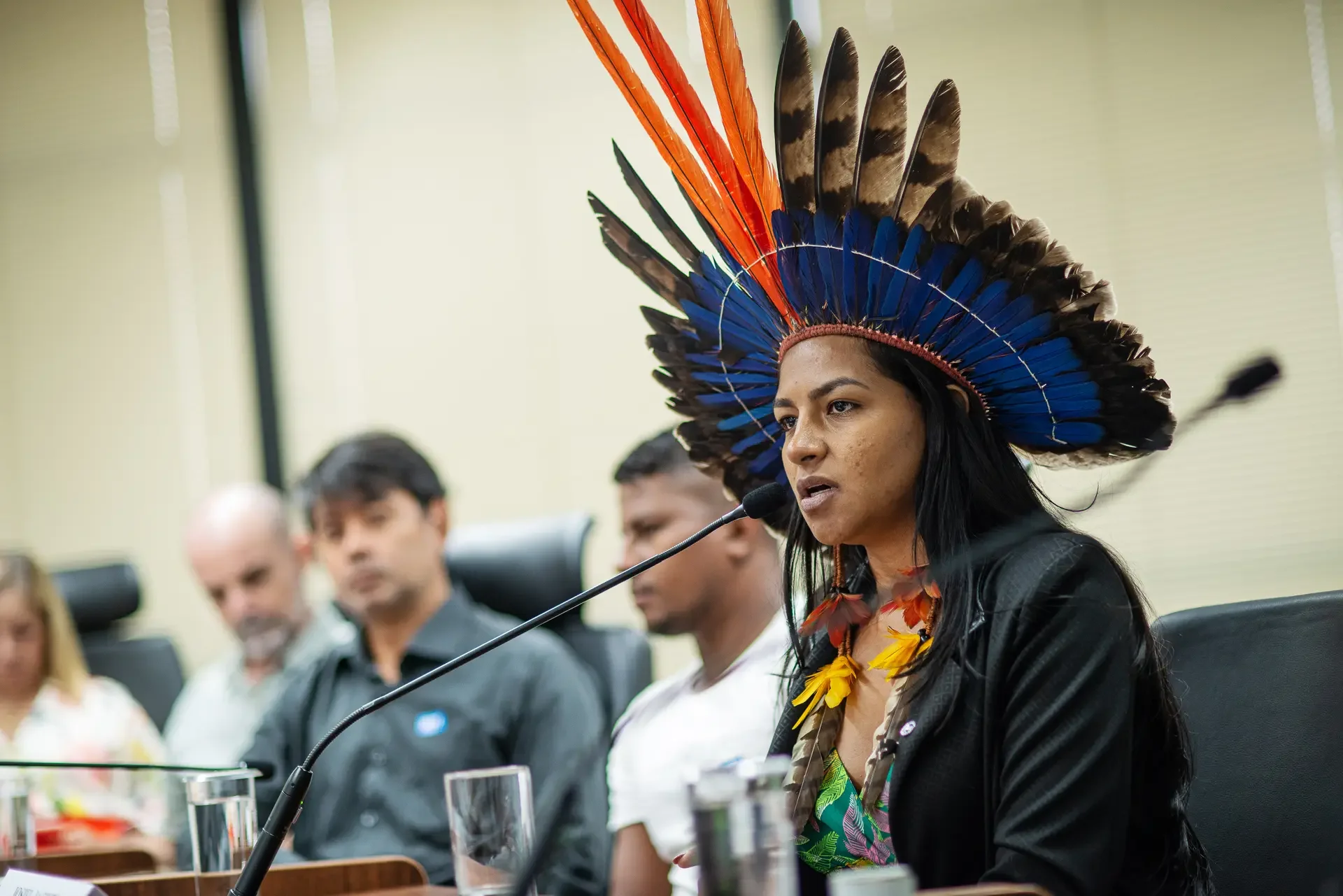
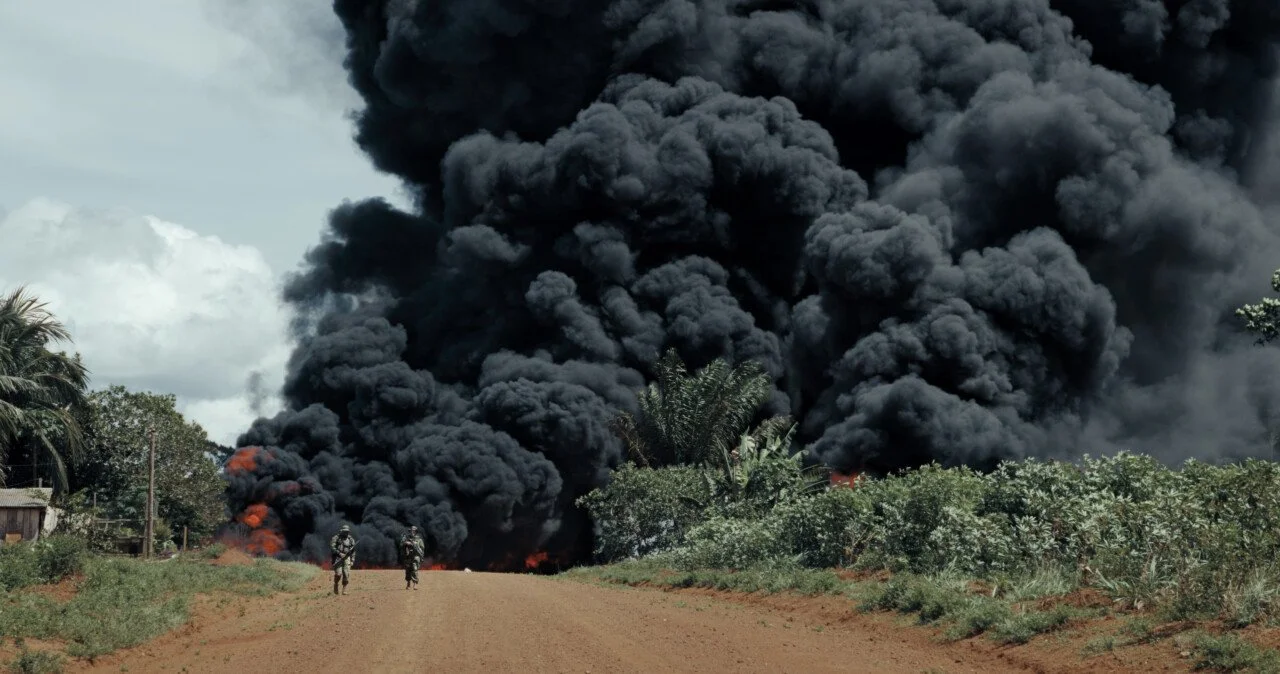
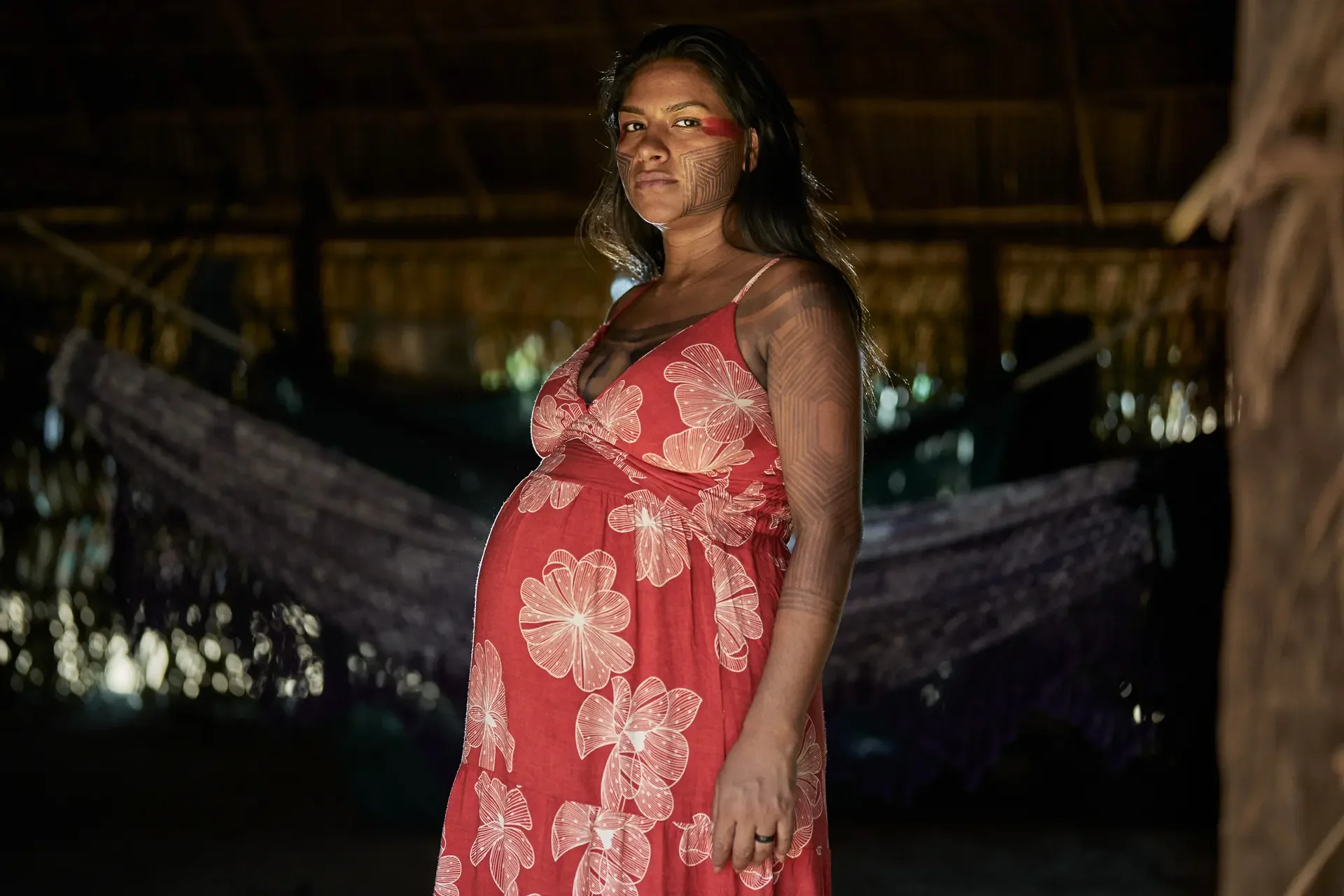
Yanuni is directed by Richard Ladkani and produced by Juma Xipaia, Anita Ladkani and Leonardo DiCaprio, the film is a personal portrait of Juma as well as an urgent call to witness the struggle against environmental degradation in the Brazilian Amazon rainforest.
The sound for Yanuni was created by HIH collaborator Eric Terena, an Indigenous Terena youth climate leader, producer, and DJ/musician from Brazil. He ensured that the Yanuni soundtrack remained authentic and deeply rooted in Indigenous perspectives, by incorporating ancestral vocals and his own traditional Indigenous instruments.
Eric spoke about the film at a HIH’s Climate Week NYC events last year, explaining:
“The impact is not all in your place, it’s not all in your city, the impact is in all those [Indigenous] communities, all those lands, and the Indigenous communities now need to mitigate the climate crisis’ impact, and this is the message of [‘Yanuni’]: we need to come together to bring the solution together and make a difference for the next generation.”
How Health In Harmony works with the Xipaya People
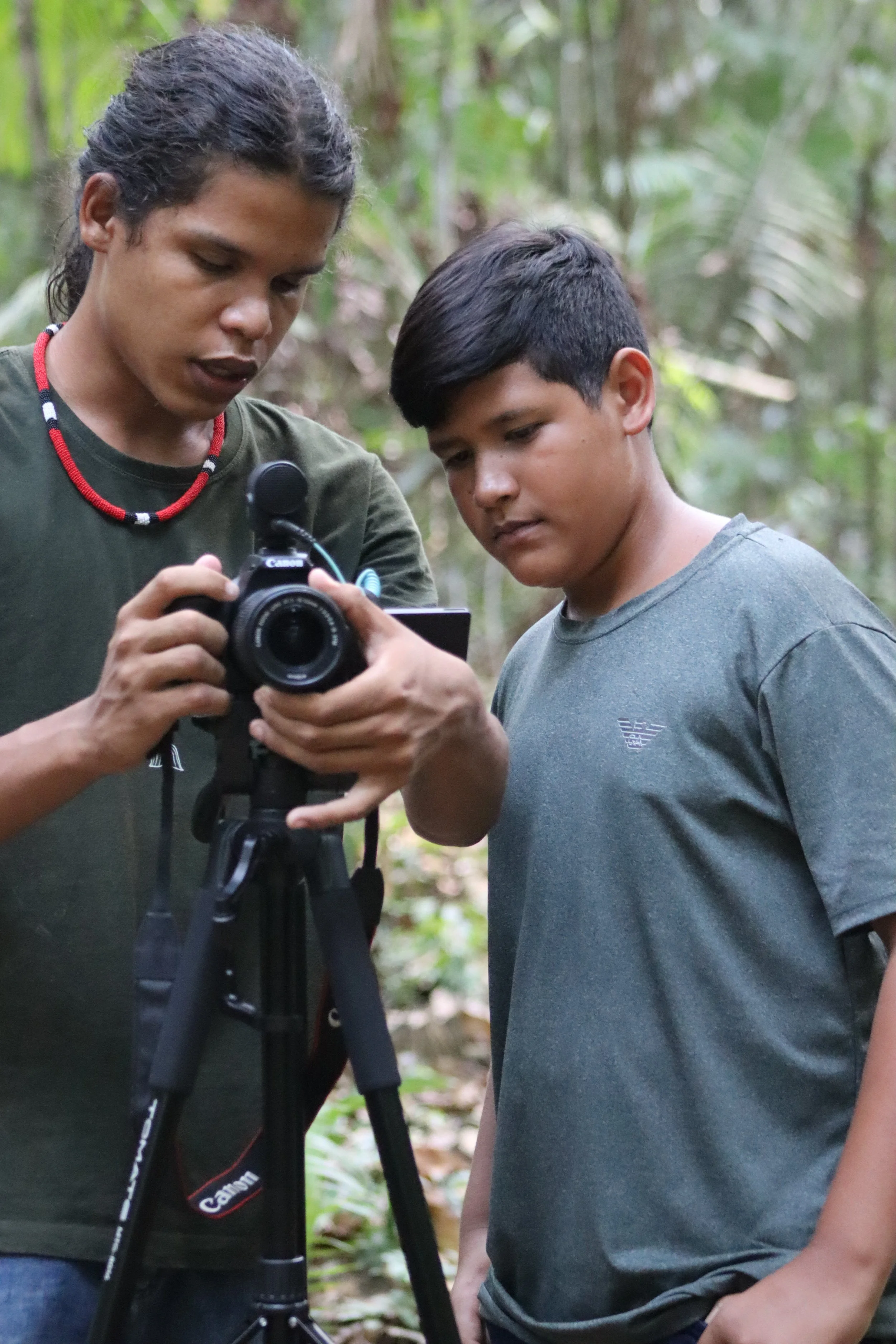
Alongside Pawanka Fund, HIH and SAMA-HIH have been partnering with the Xipaya Indigenous People since 2020, collectively supporting their community-designed solutions for planetary health. This has included a health fund, the strengthening of forest economies — for example, by supporting a Brazil nut factory in the region — and the development of a traditional medicine center.
More recently, HIH has collaborated with Sekamena — young Xipaya content creators — by supporting and sharing the film The Xipaya Woman—Strength and Resistance, about Yupã Xipaya. It is an intimate portrait of the Xipaya elder, made to value the memory and strength of those who keep the Xipaya culture alive.
For communities and for HIH, narrative sovereignty — stories told by Indigenous communities and which platform Indigenous voices — is one solution working in tandem with a holistic web of planetary health solutions that, so far, are showing remarkable results for both people and forests.
Going forward, HIH, SAMA-HIH, and Pawanka Fund are supporting the narrative sovereignty of Indigenous Peoples in Brazil, such as the Xipaya, by working with Sekamena working on a second film about the Xipaya communities and using global platforms to raise awareness of the threats to the forest and land that they protect.
HIH is also growing its Community Thriving Narratives (CTN) work alongside the organization If Not Us Then Who in Brazil, specifically by working with communities in the Apyterewa Indigenous Land/territories and with Midia Indigena founder, Renan Khisetje/Kokoyamaratxi Renan Suyá. This project is also in collaboration with Pawanka Fund.
Stories like these, and Yanuni, are vital ways to uplift Indigenous communities and the urgency in supporting the protection of biodiverse rainforests like the Amazon, as well as those who have long called the forest home.
Learn more about the importance of storytelling on the CTN page.