
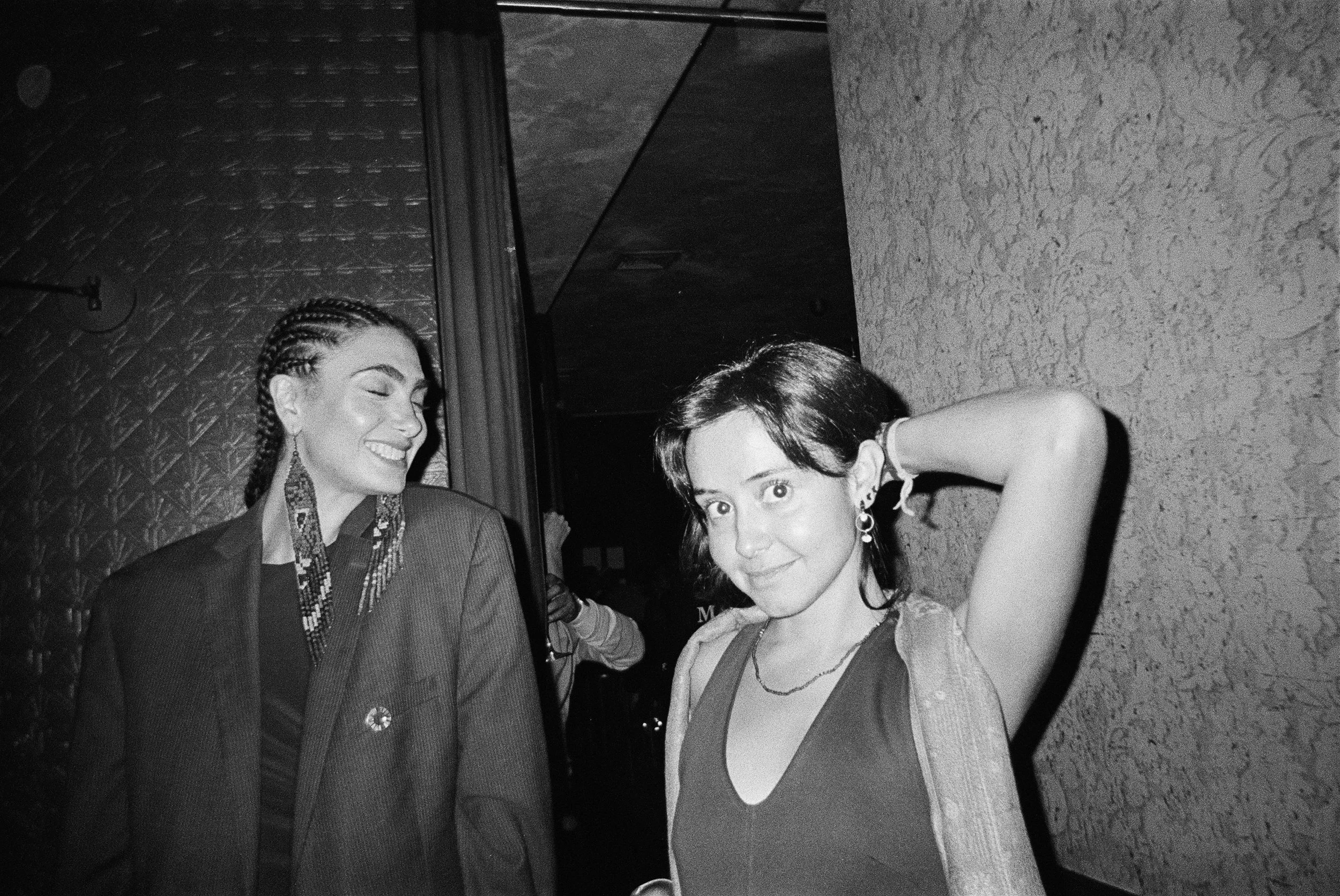
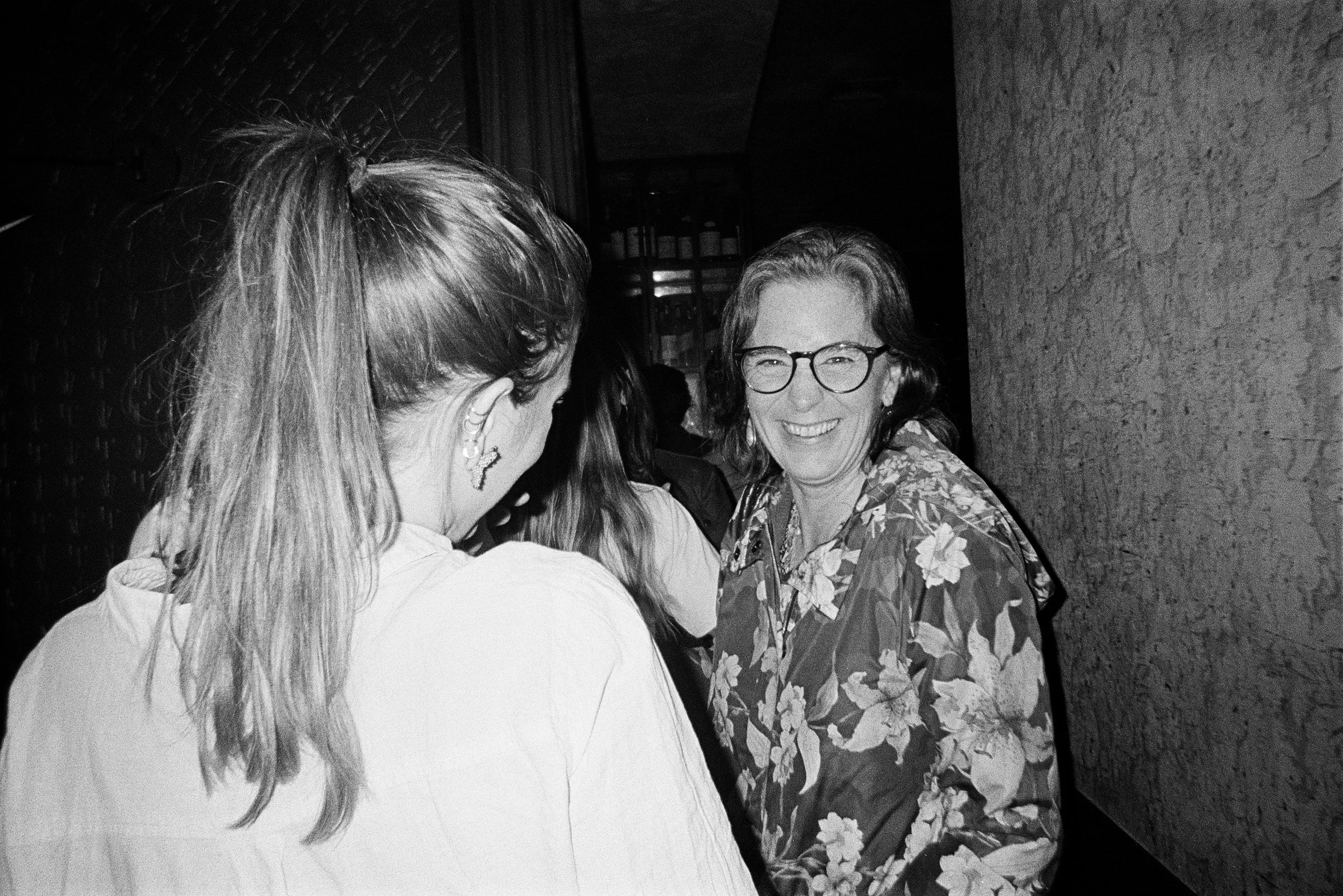
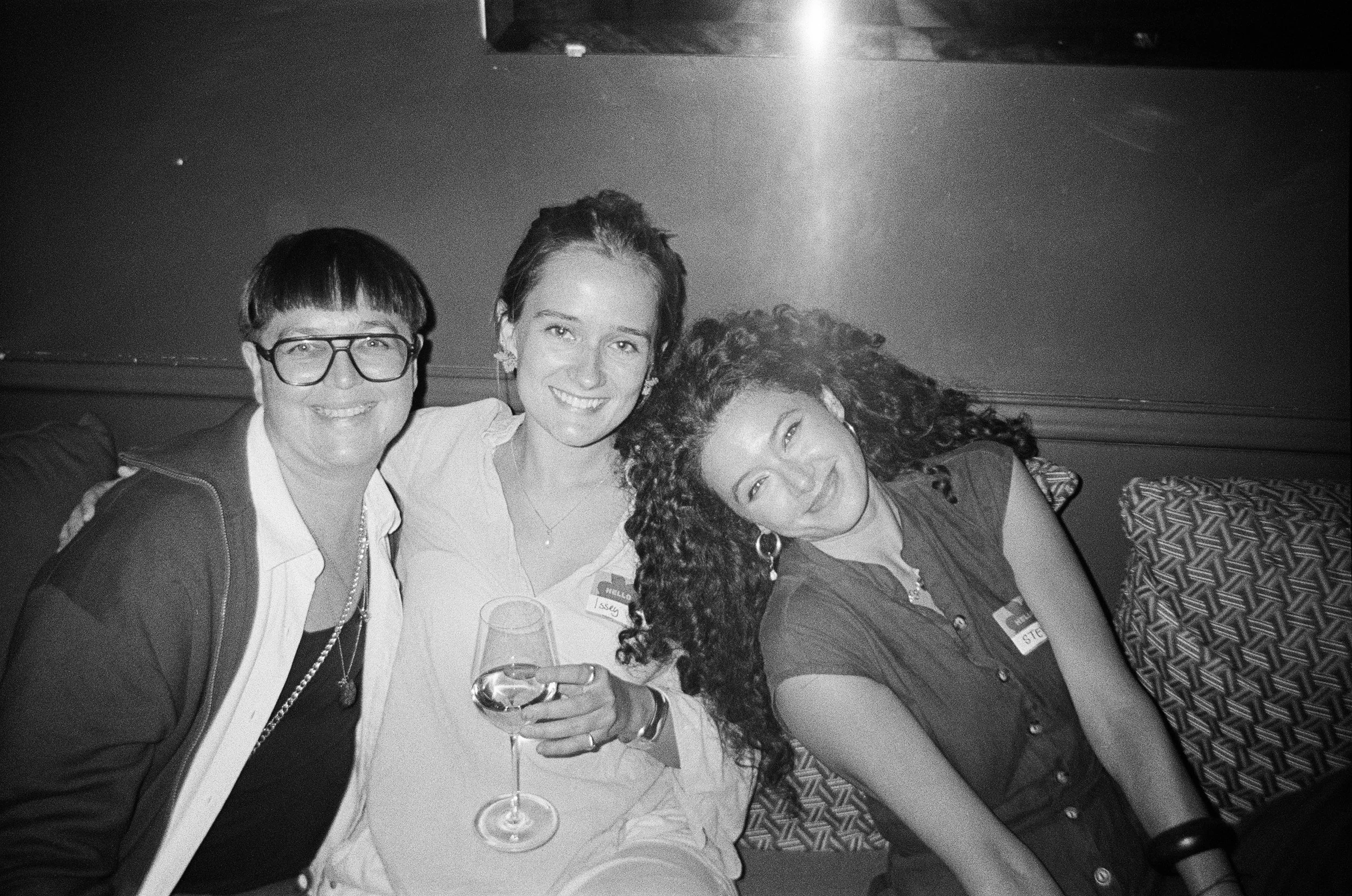
This year, Climate Week NYC reached its greatest size yet, breaking previous records with more than 1,500 events taking place across the city, bringing together organizations, governments, activists and communities across New York City. The size reflects not only the growing urgency of the climate crisis, but the expanding number of people and sectors now engaged in tackling it.
In the heart of the action, Health In Harmony and partners intentionally created a place for calm, reflection, joy, and exchange at Reciprocity House, also a space to nurture generative and collaborative connections between Indigenous organizers, activists, funders, communities, and governments.
Over 700 people passed through over eight events at Reciprocity House on Tuesday. Wednesday saw an intimate dinner co-hosted by Health In Harmony and Chilli, the innovative climate and social justice activism app, while Health In Harmony founder Dr. Kinari Webb gave a moving keynote speech at Climate Lead’s Climate Shift 2026 CWNYC event.
Read on for our five key takeaways.
1. 2026 was the biggest year ever for CWNYC – here’s why
Climate Week NYC kicked off with New York City Mayor Zohran Mamdani’s opening notes, welcoming mayors from across the G20, while New York City's skyline turned green in honor of Climate Week NYC. This felt symbolic of the conference's growth, with events spanning across the entire city, less centralized than in past years.
As Health In Harmony co-CEO Ashley Emerson pointed out in her speech at Reciprocity House, the uptick may be a reflection of the growing urgency for climate solutions, and the desire among climate actors to make them a reality:
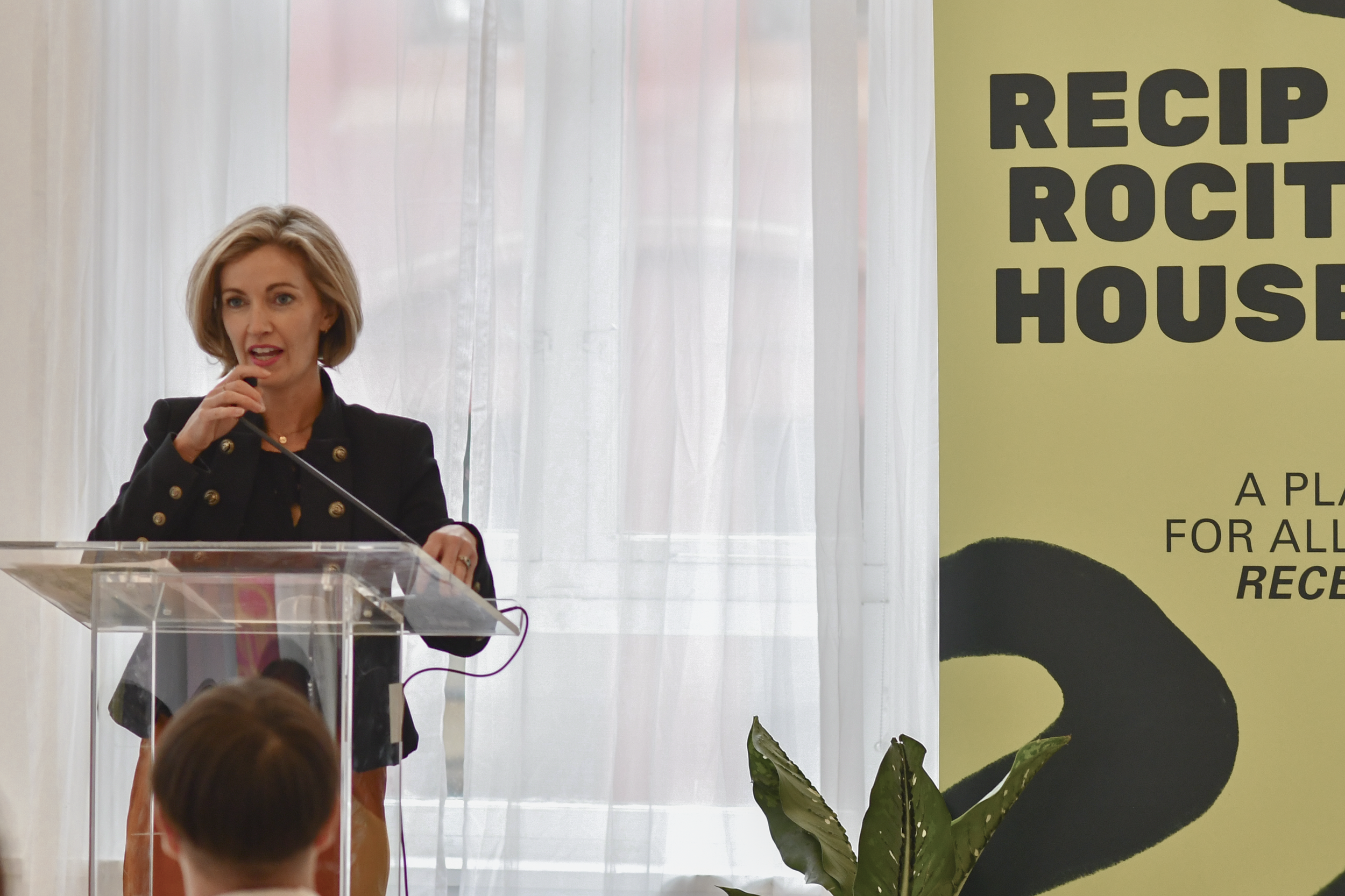
“This summer alone, we have seen the deadly floods in Nepal, wildfires across the rainforests of Indonesia, drought and deadly heatwaves ravaging Europe, and much more. Some in this room have very close and personal connections to the frontlines of these consequences.”
This leaves each of us facing a critical question, she continued:
“The rising temperatures lead cultures, nations, and communities to one of two ways of responding. Will we be the people with open hands and open hearts as we seek solutions that benefit all people, or will we opt for inward scarcity, and fight rather than share with our neighbors?”
2. A strong appetite for open dialogue, collaboration, and the exchange of ideas
At Reciprocity House, the spirit was one of open hands and open hearts – the day began with storytelling: short, moving talks were an inspiring way to kickstart proceedings and set the tone for the day.
Asked to respond to the question: “What's the Reciprocity Story You Want to Tell?” speakers included: environmental organizer Alexia Leclercq, Clara Tomé from Chilli Club, Indigenous landprotector Leo Cerda, Lucia Ixchíu from If Not Us Then Who?, Manoela Machado, a researcher from Woodwell Climate Research Center/University of Oxford, Dr. Raymond Achu-Samndong with Tenure Facility, Rhett Butler from Mongabay, and Theresa Perez from Atmos.
Lucia Ixchíu framed the powerful role of Indigenous Peoples: pointing to hope, determination, imagination and survival in the face of violence and extractivism.
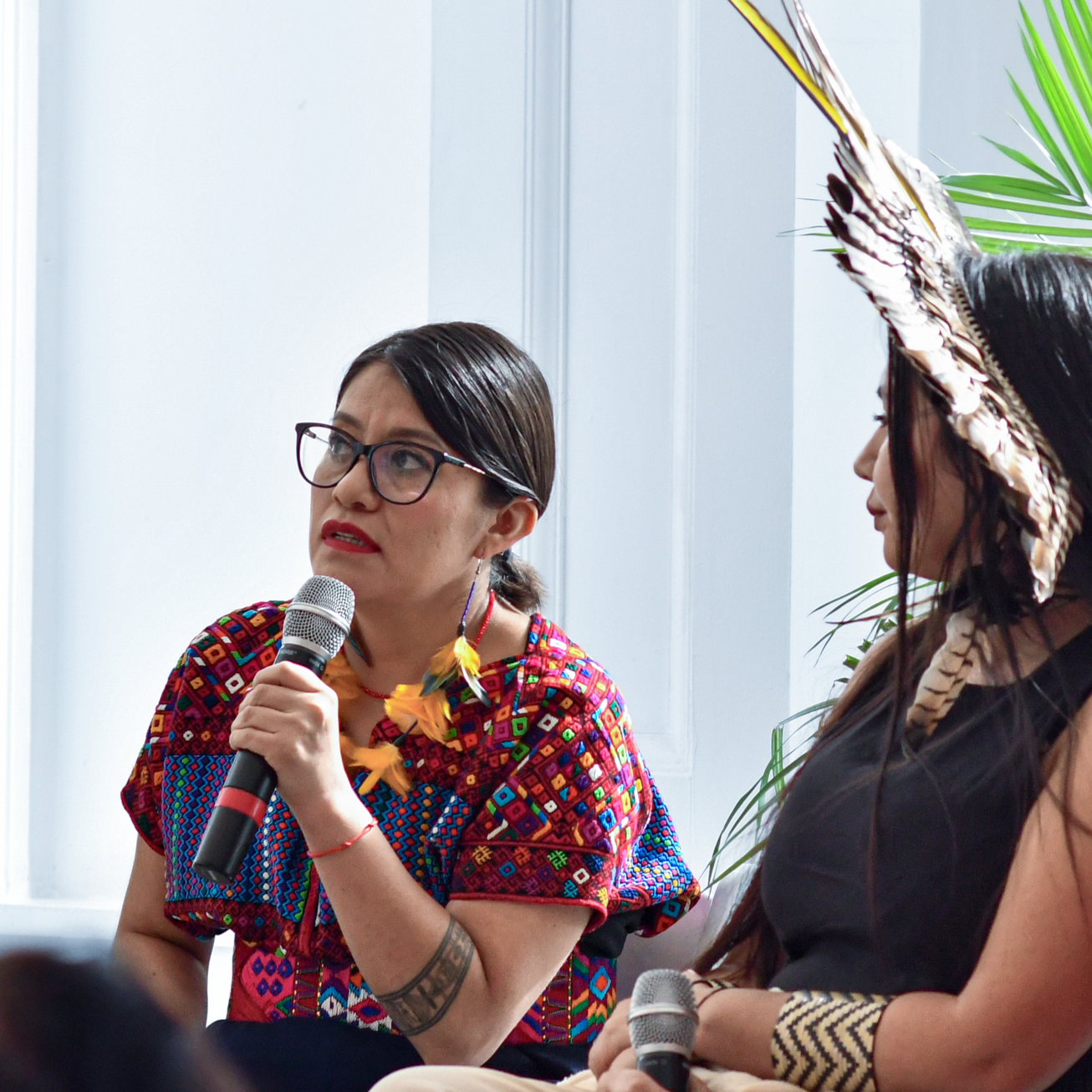
I learned, in the midst of pain, silence, and darkness, that… I am a daughter of the earth, that wherever I am, I am home, that all the trees and rivers of the entire planet deserve respect.
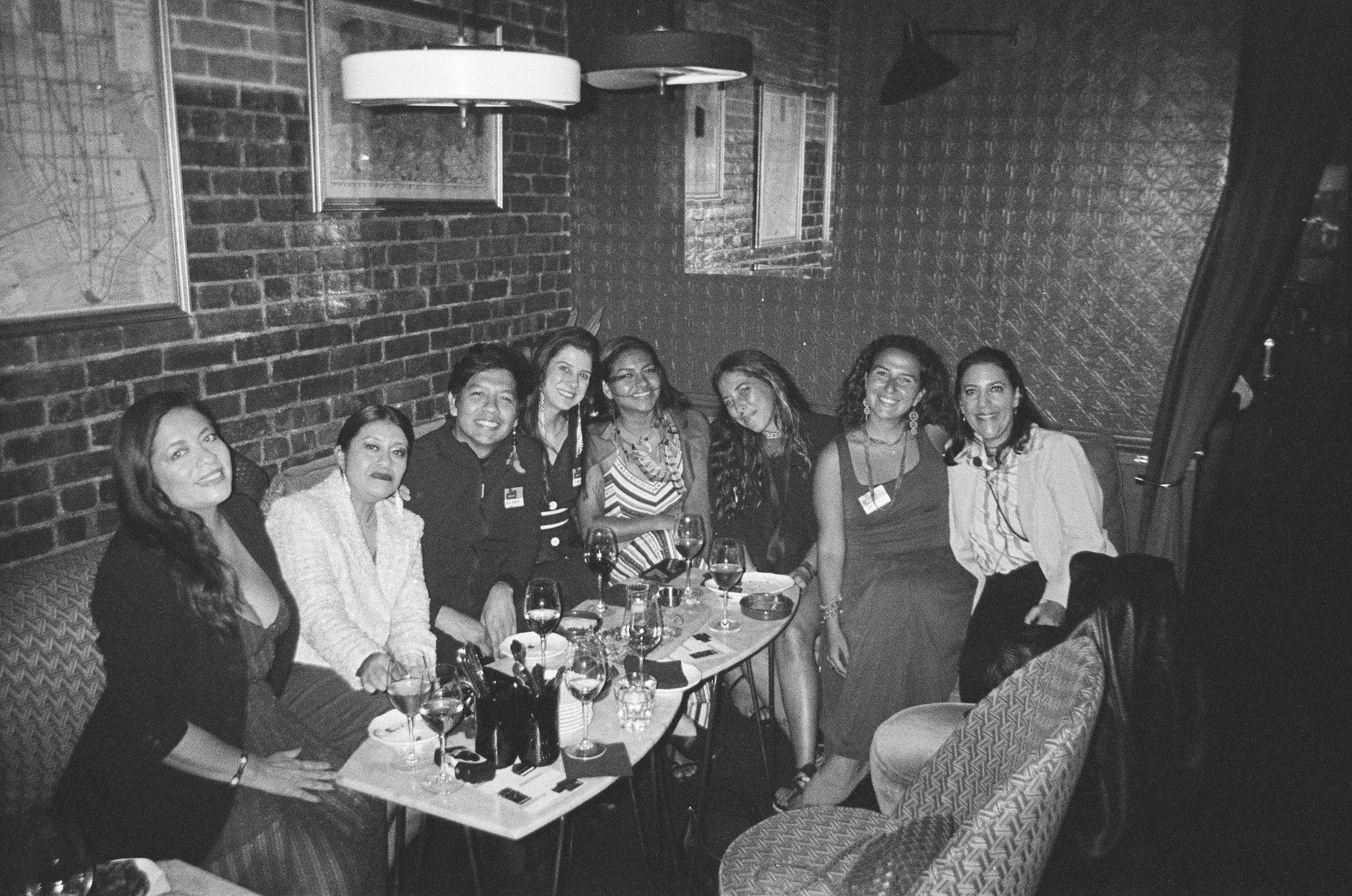
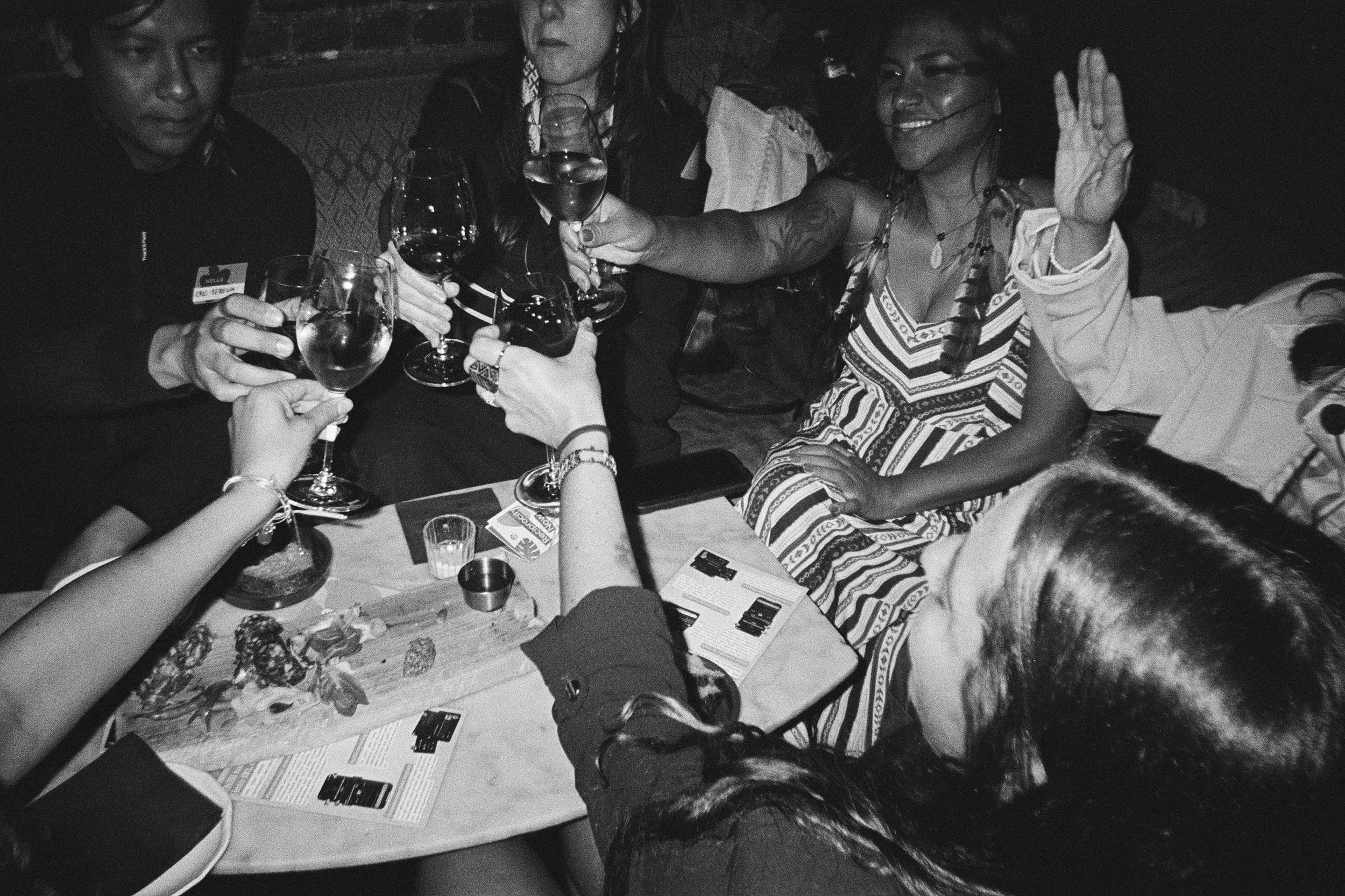
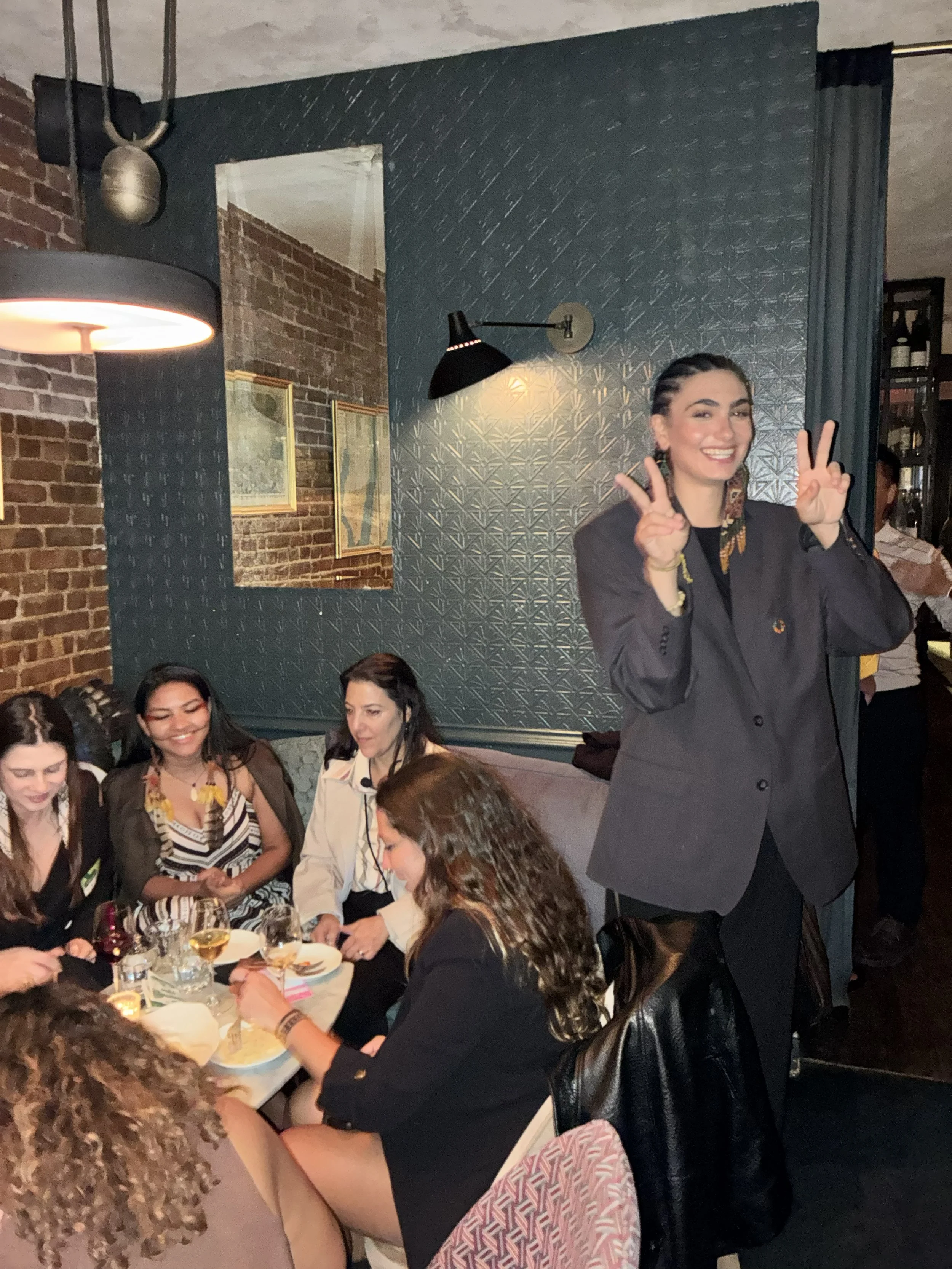
Later on in the day, Reciprocity House invited guests to share in the comfort of food and drink over conversation.
The intimate event Filling the Basket 2.0, which Health In Harmony first convened at London Climate Week in June, brought together a larger group of 17 Indigenous women leaders for a self-directed discussion. Rather than centering external goals and needs, Filling the Basket was about centering the women present: their conversation on their terms.
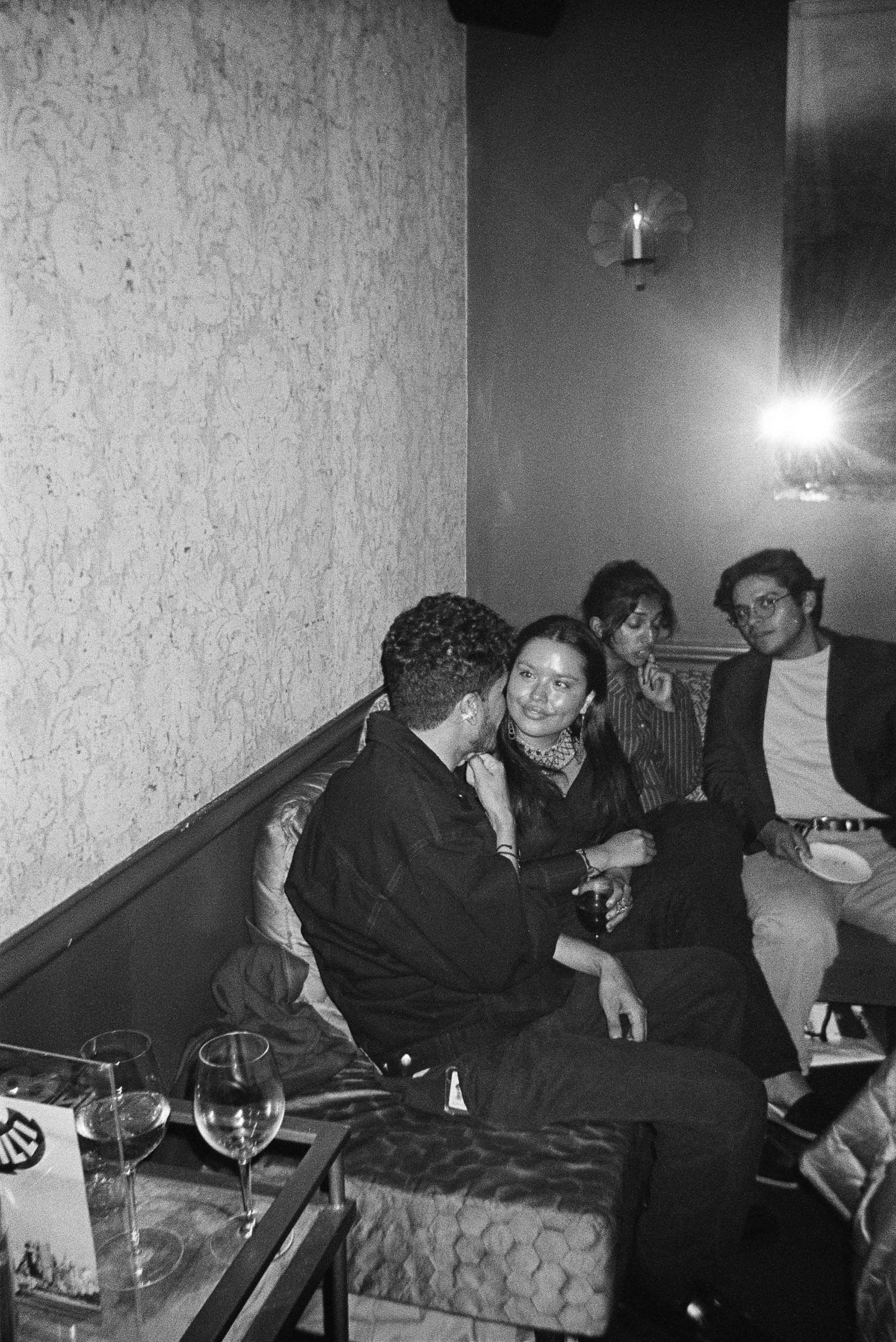
In the evening, alongside Reciprocity House partners Tenure Facility, Woodwell Climate Research Center, and Pawanka Fund, we co-hosted Unwind for The Earth with RRI, INUTW, Mongabay and Planet Indonesia: an evening designed to slow down, connect, and weave together ecosystems that will carry us toward COP31 and beyond.
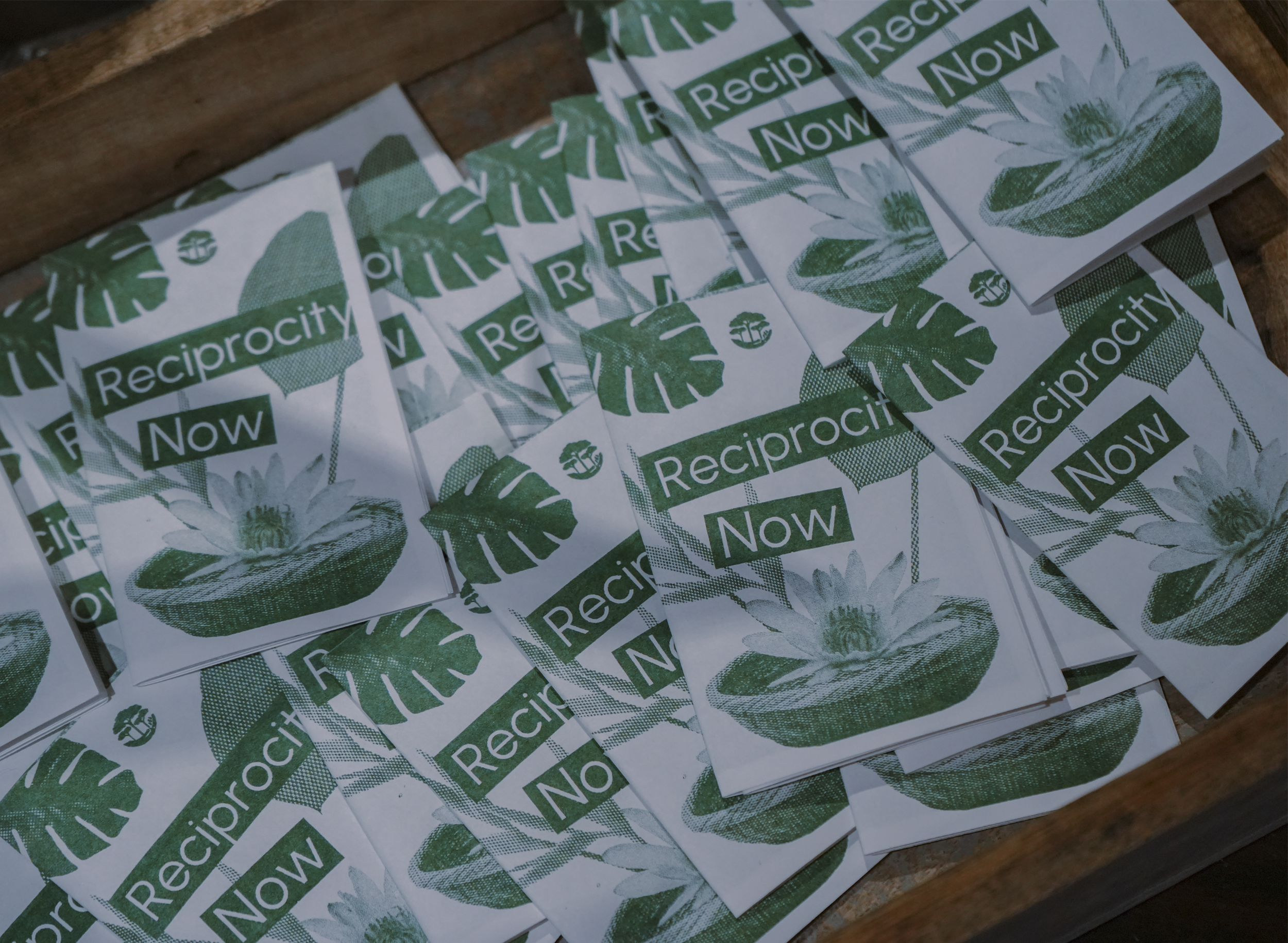
Here, Health In Harmony’s second zine, given out to guests, sparked conversations around the meaning of reciprocity and how we might act on it. The climate therapist corner prioritized authentic relationships, building in joyful moments of openness and trust, and strengthening our collective impact.
3. Indigenous women activists call for structural, long-term change
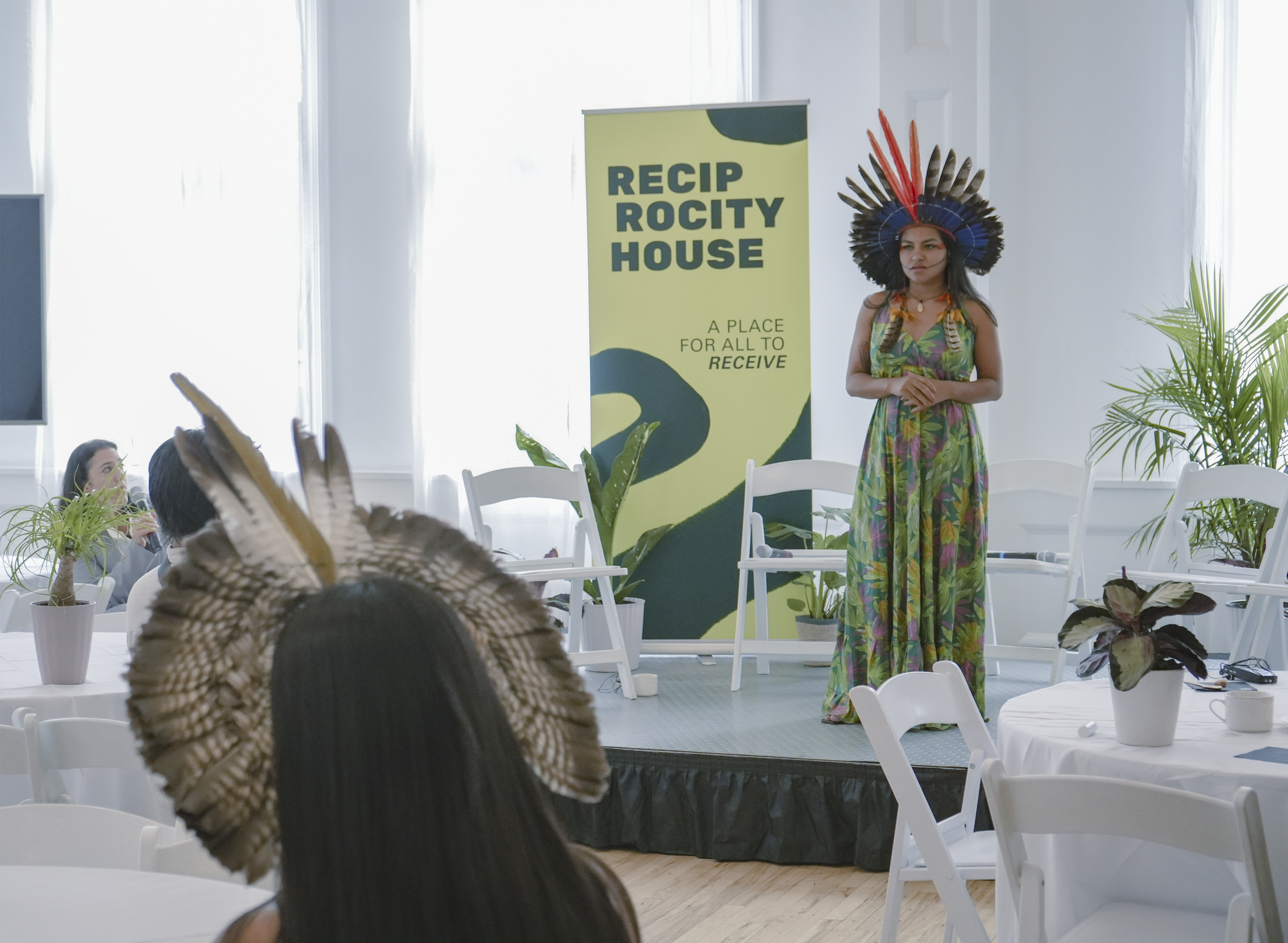
Attending CWNYC, Indigenous leader and Health In Harmony collaborator Juma Xipaya continued to spread the word about the important new documentary Yanuni, which follows the ongoing fight of the Xipaya Indigenous People in protecting their land.
She also took part in an action against Belo Sun Mining Corp and its controversial $300 million open-pit gold mine project along the Xingu River in the Brazilian Amazon, and called for a move from witnessing to action:
“We need collective action to stop this project – and we need every person who watched ‘Yanuni’ to take action today.”
One way to take this action is to build lasting mechanisms capable of ensuring that Indigenous Peoples have the autonomy and resources to shape their own future. Along with working with Health In Harmony, Juma has launched the new initiative The Yanuni Fund.
Meanwhile, at Reciprocity House, powerful female voices came together for the event Women’s Leadership: Cultivating Health and Harmony for People and Planet. This included:
Lucia Ixchíu (Maya K’iche’): Journalist, Indigenous storyteller, and Impact Producer, If Not Us Then Who?, Guatemala
Casey Camp-Horinek (Ponca Nation): Ponca Nation Environmental Ambassador, and WECAN Board Member & Project Coordinator, Turtle Island/USA
Luana Kaingang (Kaingang people): Brazil General Coordinator, ARPINSUL
Osprey Orielle Lake: Founder and Executive Director of the Women’s Earth and Climate Action Network (WECAN), Turtle Island/USA
Moderator Paula Alvarado, If Not Us Then Who?
At the event, these frontline and Indigenous women leaders and global advocates shared diverse frameworks, approaches, and solutions rooted in reciprocity, traditional ecological knowledge, and the recognition that human well-being is inseparable from the well-being of the Earth and all living beings.
Leila Salazar-López, Executive Director, Amazon Watch and Board Member, Rainforest Action Network, observed of the power of women:
“When we come together, no matter where we’re from, support each other. When we work together, when we listen to each other, it’s unstoppable.”
4. “We, as donors, need to listen to what communities already know.”
As in 2025, Health In Harmony brought to CWNYC a key advocacy message: direct financing needs to move to local communities now, with urgency. We must recognize and resource rainforest communities both to redress the inequity in global climate finance, and as a proven, effective strategy for planetary health. When Dr. Raymond Achu-Samndong from Tenure Facility took to the stage at The Reciprocity House, he brought this point home:
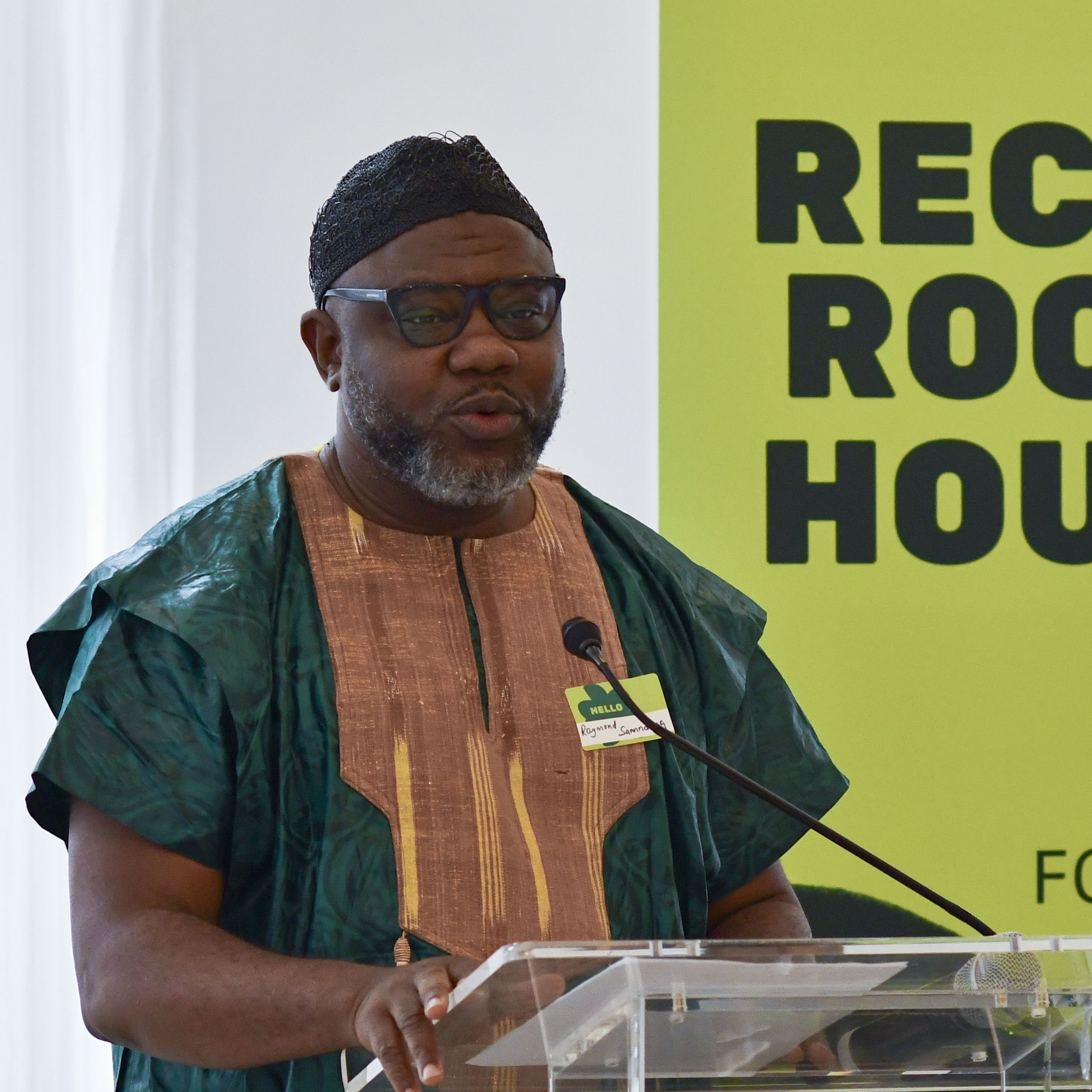
We work to secure Indigenous Peoples' and local communities' rights to their lands and forests. But reciprocity reminds me that securing a right is only part of the story. Communities also need the power and resources to govern, defend and sustain those territories — and we, as donors, need to listen to what communities already know.
He left guests with a question:
“Are we only extracting information, stories, maps and data? Or are we returning knowledge, strengthening capacity, supporting their priorities and building a relationship that continues after the project ends?”
Are we only extracting information, stories, maps and data? Or are we returning knowledge, strengthening capacity, supporting their priorities and building a relationship that continues after the project ends?
Similarly, at her keynote address at The New York Public Library, for Climate Lead’s Climate Shift 2026 event, Health In Harmony’s founder, Dr. Kinari Webb, pointed to the importance of centering communities in climate justice. Her speech, On Nature, Health & Repairing our World, Dr. Webb moved guests as she traced the ways restoring nature and healing people can pull our planet back from the brink.
“Today we’re losing 11 soccer fields of tropical rainforest every minute,” she explained.
“But when local communities are strong, they can resist external pressures, advocate for legal changes, get rights for their land, protect their culture, and learn more skills to defend forests.”
Closing, she shared that as a physician with over 20 years of experience working in rainforests, she has learned that there is a cure for planetary health that can turn despair to hope: listening to communities, and funding their climate solutions.
5. A reciprocity mindset is essential to carry us forward
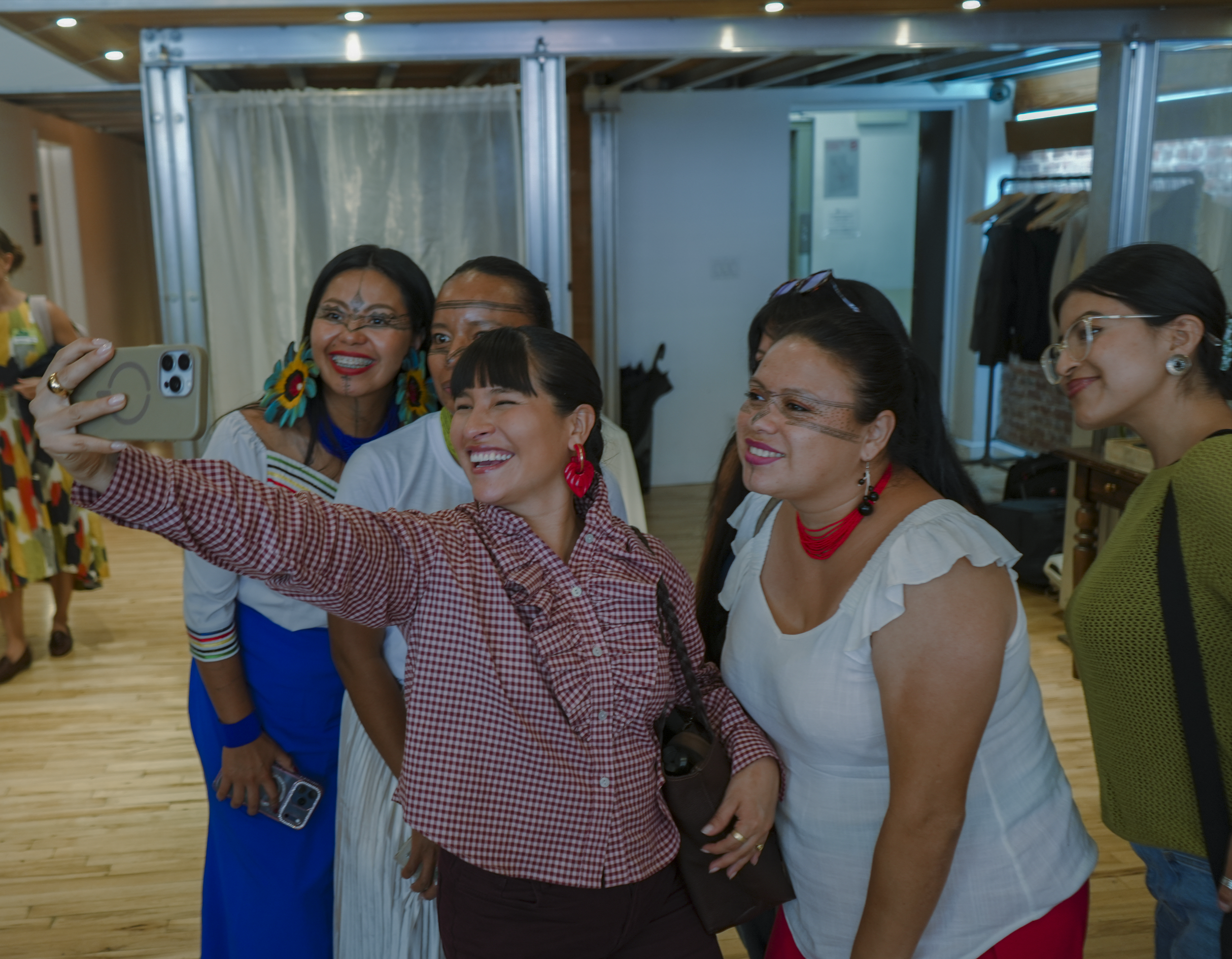
Throughout Climate Week NYC, we joined If Not Us Then Who? in inviting speakers to answer one question: “What fills your basket?” The basket is an image of exchange. It holds what we receive and what we carry back. It is never filled by one person alone. The answers we collected showed that reciprocity is not a single idea, but a relationship — with land, with knowledge, with community, and with each other.
It also became a symbol of the shared optimism, hope and collective energy we felt across Climate Week NYC: passionate people coming together, sharing ideas and resources, and dedicating their time and energy to climate work in all its facets. As Ashley Emerson put it:
“This work of reciprocity, this mutual exchange of ideas and resources, is something that I believe is the solution to the most urgent concerns of our time.”
A response rooted in reciprocity requires courage. It means asking: What does it mean to give? What does it mean to receive?
It’s a mindset we’ll be carrying forward to our 20th Anniversary Event in San Francisco on Saturday, October 17 — a hopeful celebration of 20 years of proof that when Indigenous Peoples, Afro-descendent peoples and local communities lead, real change happens: healthy people, healthy forests and a healthy planet.