
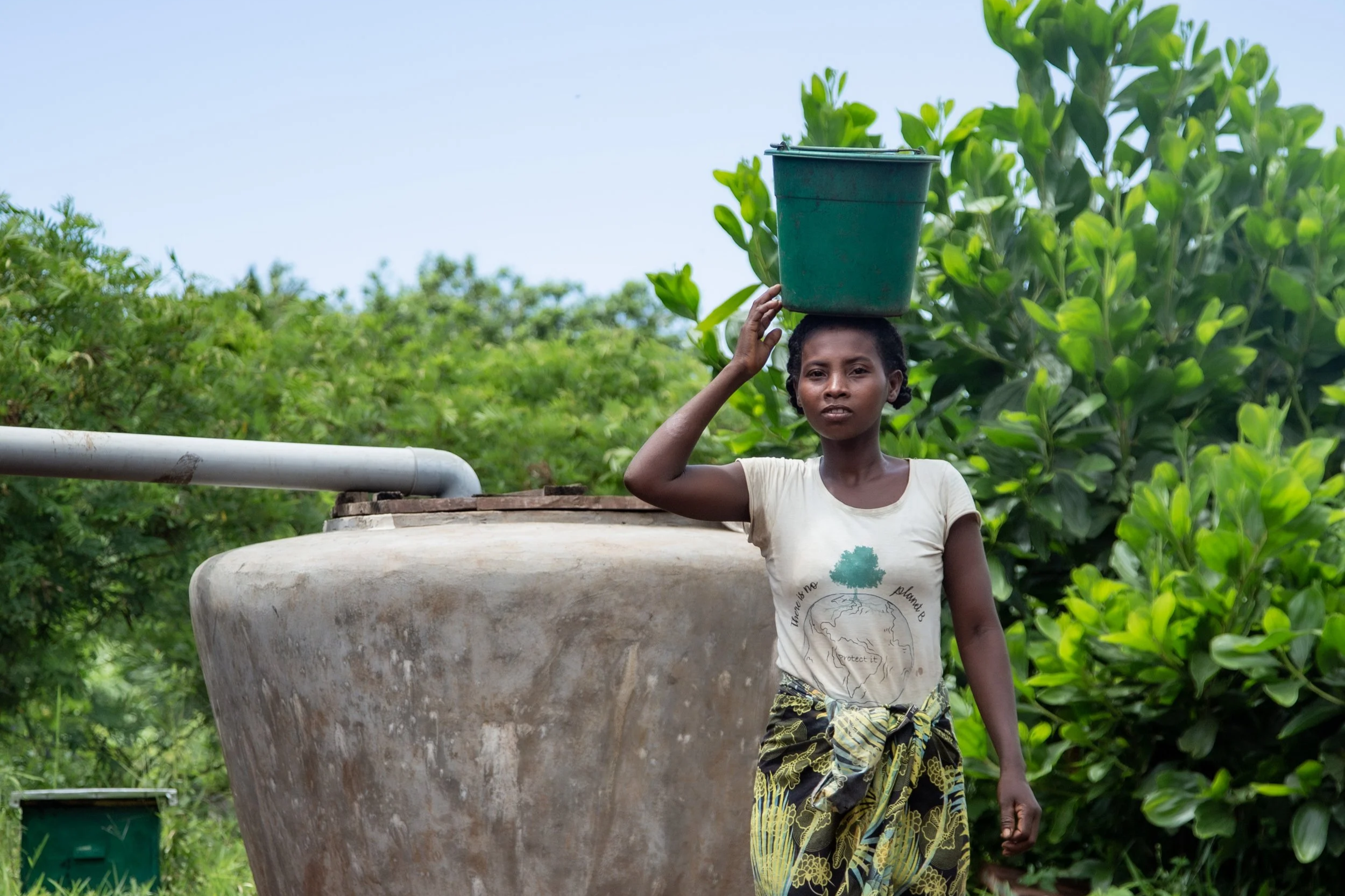
The challenge
In southeastern Madagascar’s cyclone-vulnerable Manombo landscape, the main local water sources get contaminated with fecal matter by flooding, posing a health risk to local communities.
Water collection is also a daily burden carried almost entirely by women and girls, who – before a recent pilot project – walked an average of 26.9 minutes per trip to collect water, with women spending about one hour per day and girls about 1.5 hours.
Water sources are often distant and perceived as poor quality: 57% of baseline households relied primarily on rivers, while 34.4% used boreholes. 17% reported being unable to access sufficient drinking water during the previous month, and 35% reported that water quality had worsened over the previous five years.
The burden extended beyond time. Drinking water is commonly treated by boiling – 97.7% of households that treat water used this method– and firewood was the sole fuel reported. This creates indoor-air-quality concerns, fire risk, and additional pressure on the forest.
Community-Led Solutions
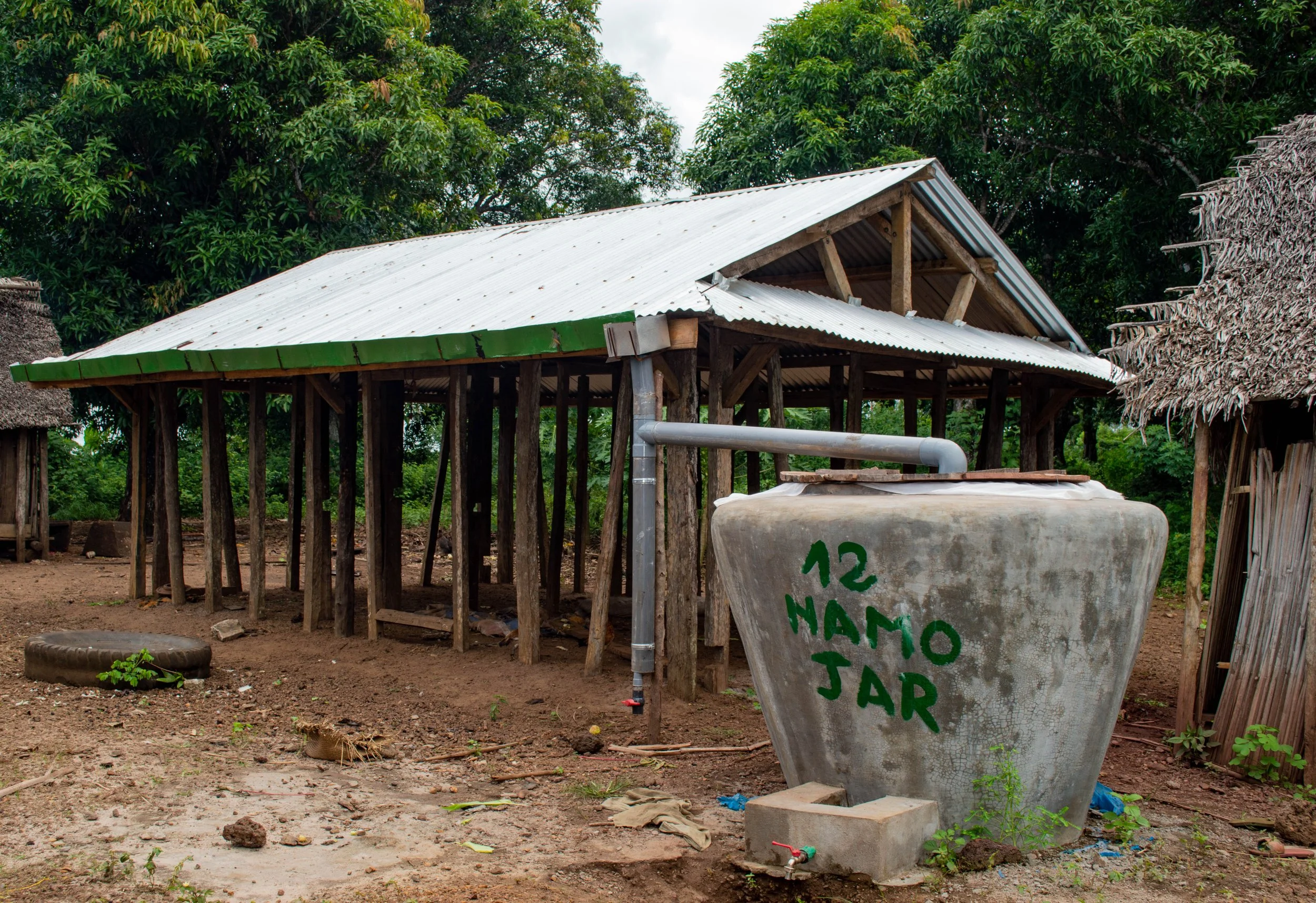
With support from Vanguard Charitable and SENSE Foundation Brussels, FAMI-HIH recently piloted locally built rainwater-harvesting jars in the Manombo landscape. The project combined infrastructure with community engagement, training, monitoring, and adaptation. Local masons and Health Guardians were trained in construction, maintenance, first-flush diversion, filtration, and basic water-quality checks.
Between January 2025 and August 2026, 90 systems were installed in two phases across eight villages: Namohora, Sahamahitsy, Karimbelo, Tsaratanana, Amboangibe, Marovandrika, Vohilava, and Bekaraoky.
Although the original ambition was 100 systems, expansion was deliberately paused when monitoring identified residual E. coli contamination. The team redirected resources to testing, videographic risk assessment, shock chlorination, and design improvement rather than scaling an unresolved problem.
Overall, water quality improved. The jars were also found to serve community infrastructure: 79% of families reported sharing their jar with other households. Across the 90 systems, 2,640 people benefited – more than three times the direct household reach anticipated in the project design. A jar served an average of about 22 people, with village-level estimates ranging from 15.5 to 99 people.
Impact on women, girls, and households
The project did not yet change who performs water collection: adult women accounted for 65% of the task at follow-up and girls for 34%. But it changed the scale of the burden. Average daily collection time fell from 86 minutes to 10 minutes. The critical change was distance: water moved from a remote source to the household backyard.
The reclaimed time was used primarily for childcare and household care. Respondents also reported resting more (17%) and pursuing income-generating activities (15.4%), linking water access to household economic resilience.
Radical Listening sessions surfaced an additional benefit: women and girls felt safer because they spent less time away from home at potentially dangerous water sources and on wood-collection trips.
Climate resilience and environmental gains
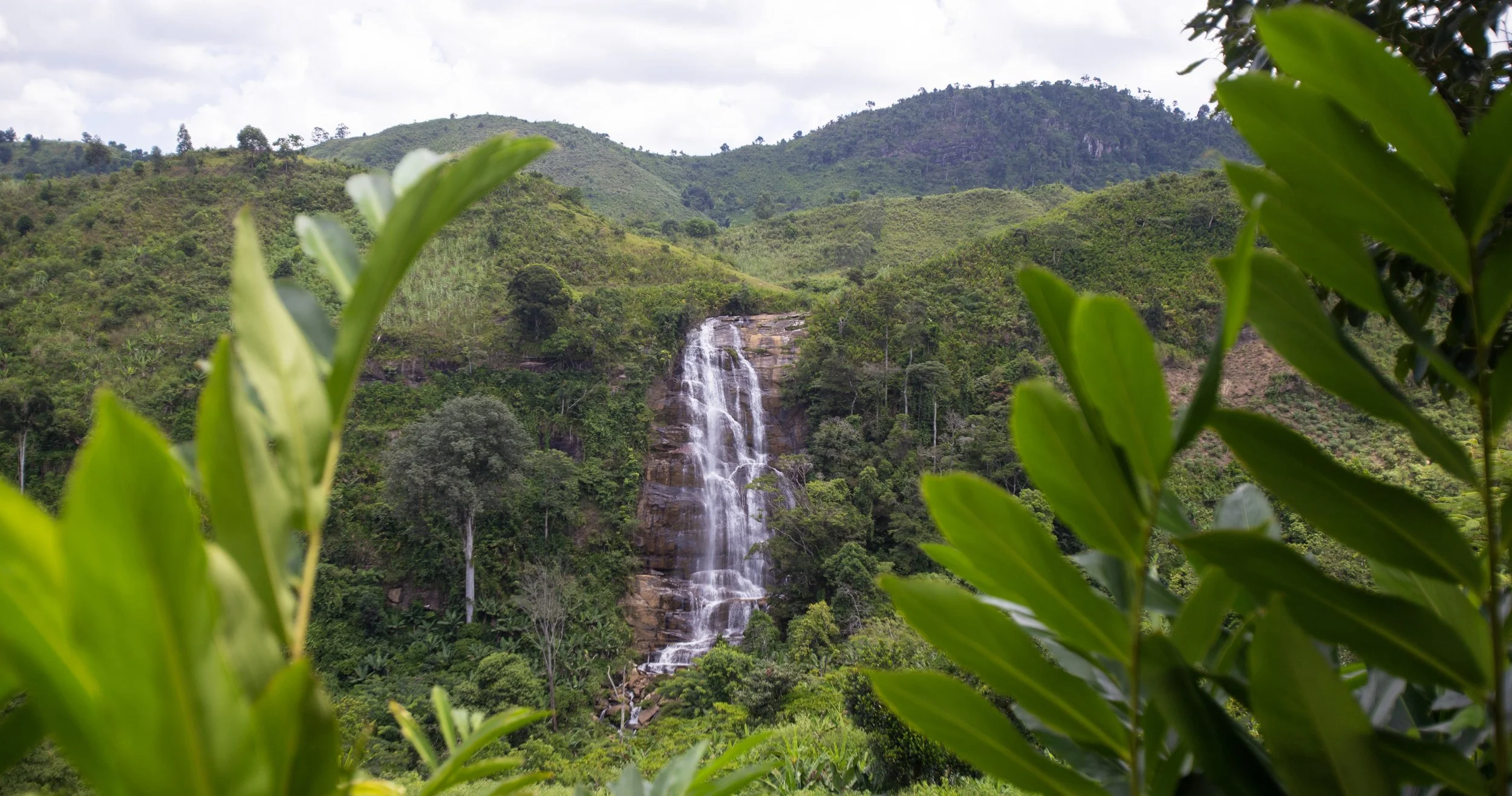
Rainwater harvesting helps households capture and use water during heavy rains and cyclone-season disruptions, when traditional sources can become contaminated and unsafe.
The intervention is best understood as complementary to, rather than a replacement for, existing water sources: during extended dry periods, shared jars last approximately two weeks after the last significant rainfall. For a single family of eight, this storage capacity could last roughly five weeks. Community sharing is a strength and a form of mutual care, but it also depletes storage more quickly.
Reduced boiling has already produced an estimated 75% reduction in firewood used for water treatment. This can reduce exposure to smoke indoors and ease pressure on forest resources. It also demonstrates how a water intervention can deliver connected benefits for gender equity, health, climate adaptation, and biodiversity conservation.
Water quality: progress with accountability
Water quality results are encouraging but not yet sufficient to claim universal safe supply. In 2026, 84.4% of household samples fell within WHO low- or intermediate-risk microbial categories, and no sample was classified as very high risk. The share of very-high-contamination cases fell to zero from 1.6% in 2025.
The project’s monitoring identified the main residual risks. Traditional roofs were associated with roughly twice the contamination risk of metal roofs, and overhanging branches increased risk. After shock chlorination, 57.1% of 24 retested jars were fully safe, and 27.3% were in the low-contamination band; no retested jar remained highly contaminated. Households whose water is not confirmed safe continue to receive boil-water guidance.
These findings shaped the next phase, which is already underway: trim overhanging branches, replace degraded cloth covers, reinforce first-flush practice, and expand seasonal water-quality monitoring. This is adaptive climate action grounded in evidence, not assumptions.
What the pilot makes possible
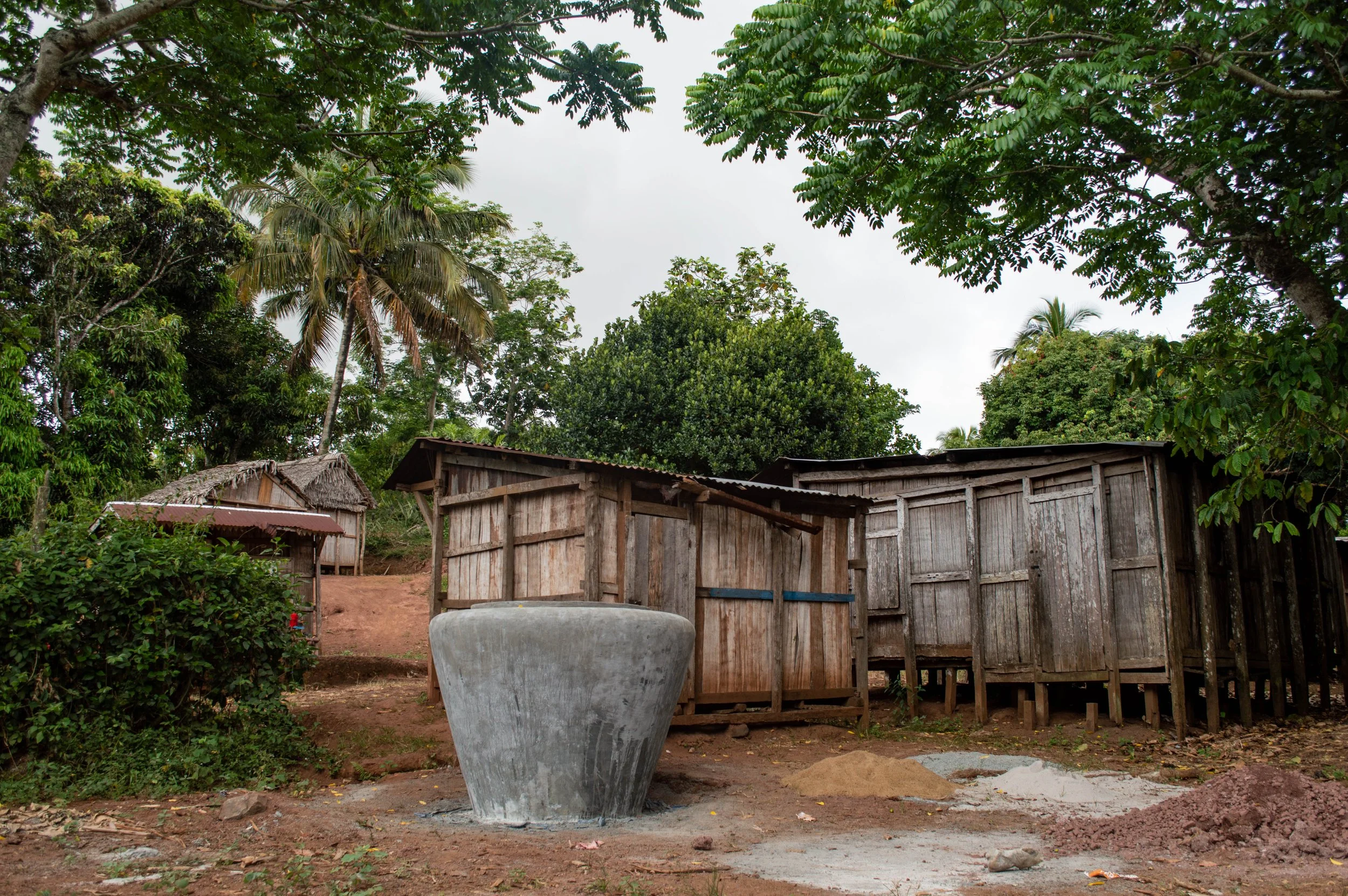
The Manombo experience shows that small-scale infrastructure can unlock system-wide impact when it is locally owned, monitored, and allowed to evolve.
The project also shows why responsible climate finance must fund learning, not only delivery. Pausing expansion to diagnose contamination protected future households and produced a stronger design for scale. Over the past year, the team completed 322 WASH support and monitoring visits, creating the sustained accompaniment needed to improve performance.
The next phase will formalize village focal-person systems, strengthen water-quality monitoring, and develop safer solutions for traditional-roof households. The goal is not simply to install more jars. It is to build reliable, gender-responsive, community-scale water infrastructure that protects health, reduces pressure on forests, and helps households withstand climate shocks.
Evidence base: December 2024 baseline survey of 60 households in three villages and August 2026 follow-up survey of 90 respondents across eight villages, complemented by microbial testing and structured videography condition assessments. Resources: SENSE Report and Parks et al, 2025