
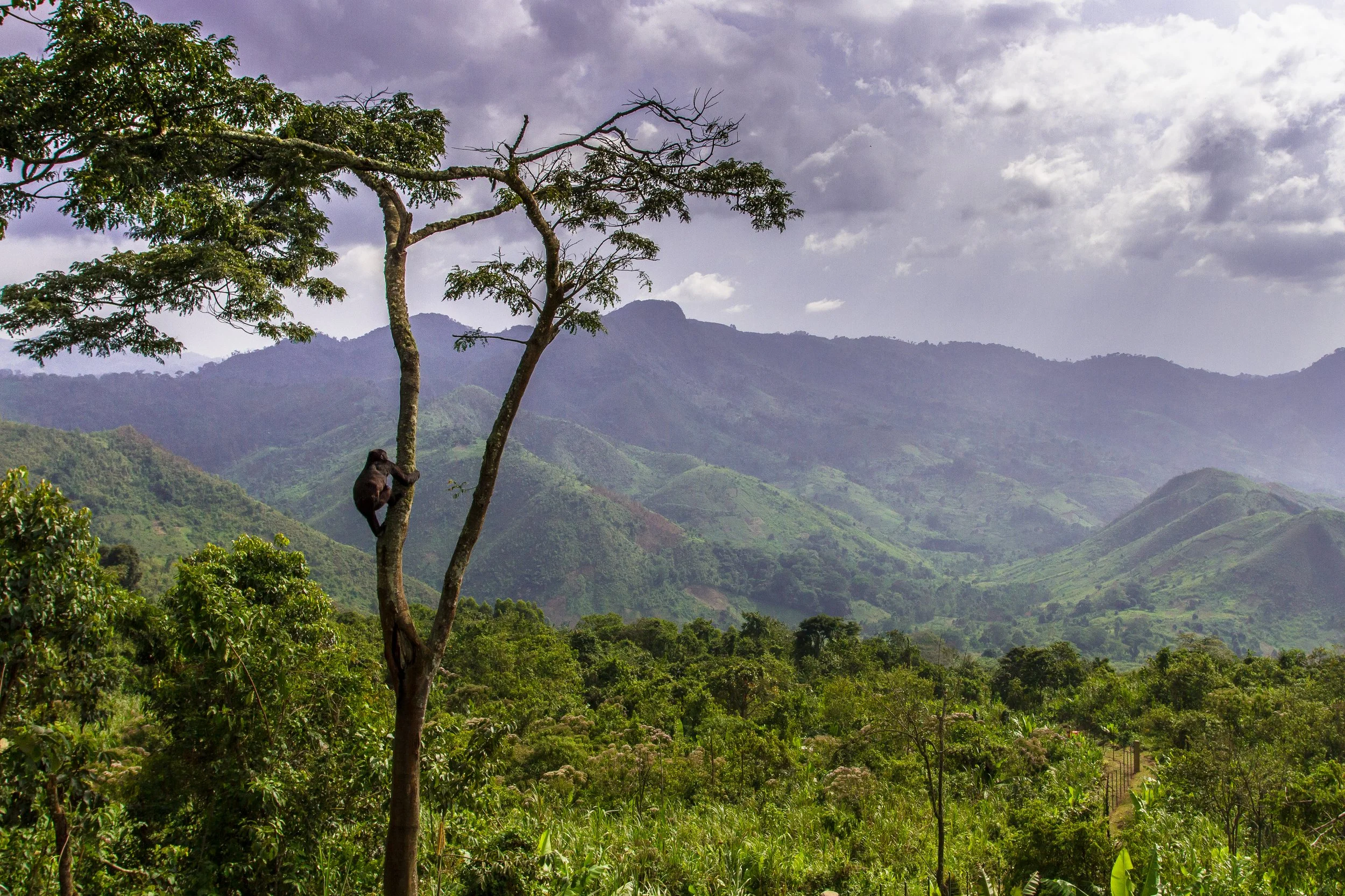
Following years of groundwork as the People’s Climate Coalition with Woodwell Climate Research Center and Pawanka Fund, Health In Harmony (HIH) is now officially working with regional partners GRACE Gorillas and Strong Roots Congo in the Democratic Republic of the Congo (DRC), as well as Pawanka Fund alongside rainforest communities.
Together, we invest in community-led climate solutions through the support of Concessions Forestieres des Communautes Locales (CFCLs) – a legal framework that grants Indigenous Peoples, and traditional and local communities perpetual forest tenure and management rights, which form the legal foundation for community-led forest protection and long-term wellbeing.
Read on to learn more about this exciting partnership with communities – as well as the impact it will have on climate, biodiversity, and human and planetary wellbeing.
Why the DRC
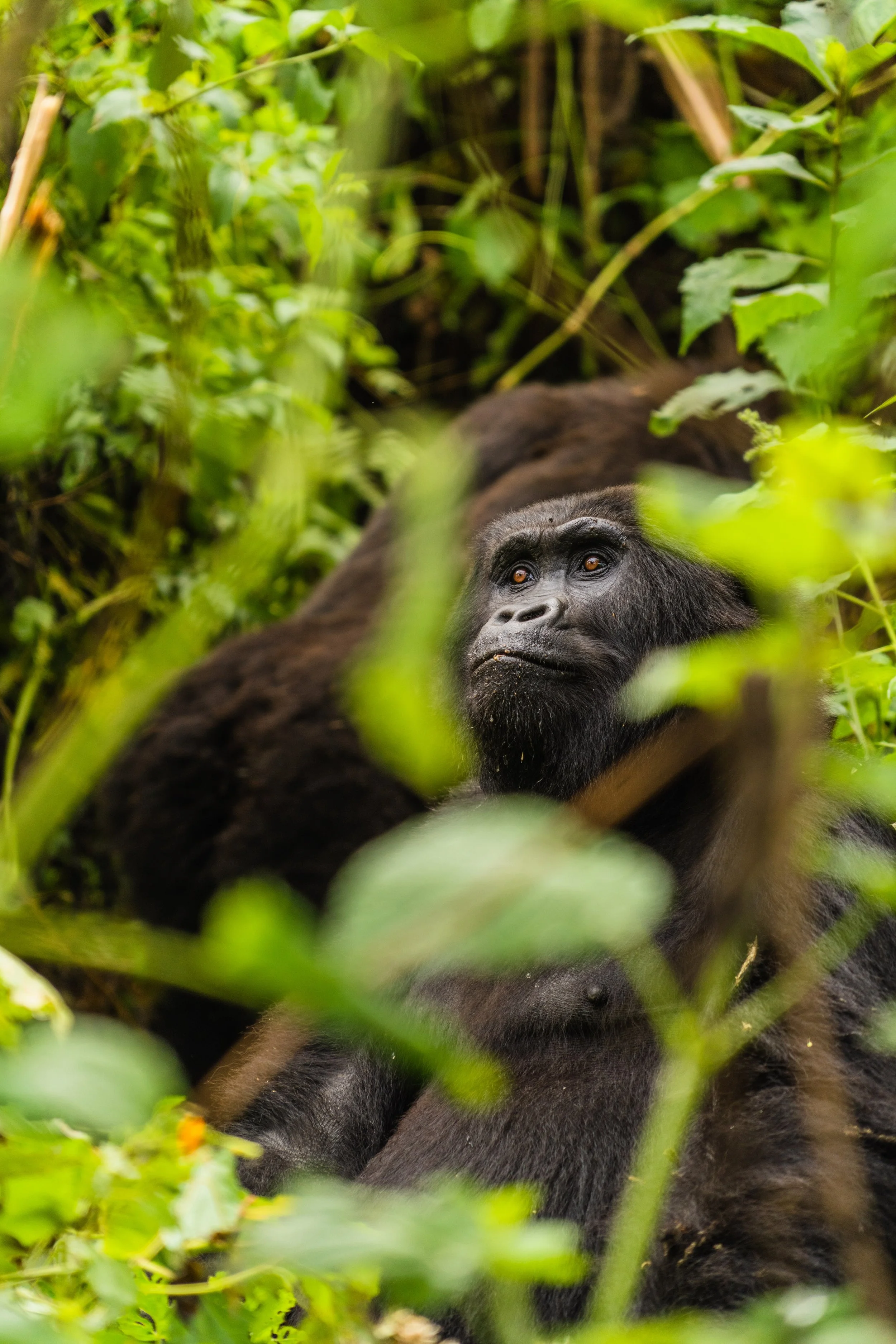
The Congo Basin rainforest is the largest tropical carbon sink in the world, absorbing more CO2 annually than the Amazon in recent years. It's the second-largest tropical rainforest on Earth and the least-funded of the big three.
It contains the most species of any African ecosystem, including 15,000 vascular plants, 1,390 birds, 1,300 fish, 530 reptiles, 450 mammals, and 400 amphibians. An estimated 75% of its freshwater fish (Libalah et al. 2026) and 30% of its vascular plants (Sosef et al. 2017) are endemic, meaning they live nowhere else.
As one of the last remaining intact tropical forest systems, the Congo Basin is disproportionately important for climate stability.
HIH’s Monitoring, Reporting, and Verification (MRV) strategy
HIH began its project in the DRC in 2025, teaming up with local partners GRACE Gorillas, Strong Roots Congo, and Pawanka Fund to directly invest in 8 CFCLs across North and South Kivu. We work together to channel direct, small-grant investments (USD 50,000 per CFCL for a period of 3 years) into community-designed management plans.
HIH supports the monitoring of carbon, biodiversity, and community well-being across this critical Congo Basin landscape — home to key species including Grauer's gorillas, eastern chimpanzees, and okapi – to generate more funding directly to communities in the region.
Aligned with best-in-class science, our Measurement, Reporting, and Verification (MRV) Package ensures that outcomes are measurable and verifiable, and respects Indigenous data sovereignty.
Alongside community wellbeing and carbon, our MRV approach monitors biodiversity as a vital indicator of ecosystem health. By tracking species and interactions, we gain critical insights into why and how ecosystems must be protected.
How we work with communities in the DRC
We’re working to support local communities’ climate solutions, including tenure and preservation, protection of endangered species, and improved management of community forest concessions.
Communities in these eight concessions have written their own management plans, structured around five priorities they set themselves:
protecting high-biodiversity forest and sacred sites through participatory zoning and community patrols
managing timber and forest foods sustainably
building alternative livelihoods including agroforestry
strengthening the committees that govern the concession
monitoring the results
Our partners
In working with communities, we operate exclusively through a remote-first, coalition-based model with trusted local and technical partners:
GRACE Gorillas: HIH’s implementing partner in the Tayna–Usala Landscape, GRACE works alongside Congolese communities, local conservation partner UGADEC, and foundational conservation partner Rainforest Trust to create a living landscape where gorillas, forests, and people thrive.
Strong Roots Congo (SRC): HIH’s implementing partner supporting local populations in the Asu'u and Tubeumoyi CFCLs, SRC supports human rights and conservation within the Kahuzi-Biega - Itombwe Biodiversity Corridor in the DRC.
Pawanka Fund: A global Indigenous-led fund supporting Indigenous Peoples’ initiatives engaged in promoting and protecting traditional knowledge, wellbeing, rights and self-determination.
Woodwell Climate Research Center: Woodwell conducts science for solutions at the nexus of climate, people, and nature. Partnering with leaders and communities for just, meaningful impact to address the climate crisis.
What’s next
The project currently supports nearly 180,000 hectares of rainforest across 8 established CFCLs.
Alongside GRACE Gorillas (Usala Corridor), that’s 125,162 hectares total: Covering the Banashekisa (38,345 ha), Arindirwa (43,452 ha), Mbyakuru (29,254 ha), and Banashetwano (14,111 ha) CFCLs. Alongside Strong Roots Congo, that’s 54,759 hectares total: Covering the Asu'u (23,200 ha) and Tubeumoyi (31,559 ha) CFCLs.
More recently, the People’s Climate Coalition has invested in the Thsambi and Bafwapada CFCLs. These will be the first of many Congo Basin projects for HIH alongside our partners, protecting some of the world's most climate-critical, high-carbon tropical rainforests.
“Wildlife has no nationality and no boundaries. Gorillas and other animals already move through this corridor linking Tayna and Maiko, and now communities can manage it under their own plan: a true source of pride,” comments Jackson Kabuyaya Mbeke, DRC Director, GRACE Gorillas.

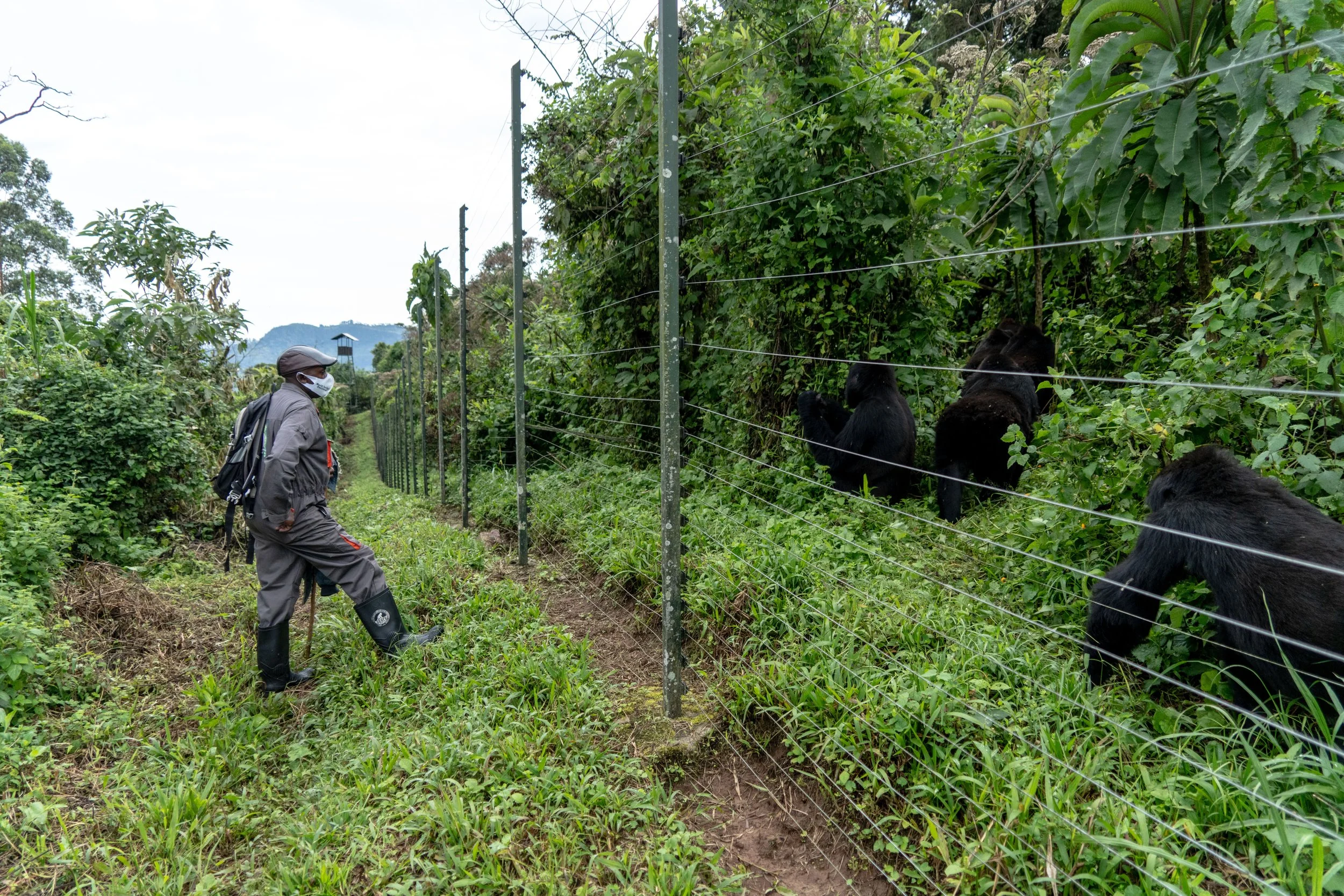
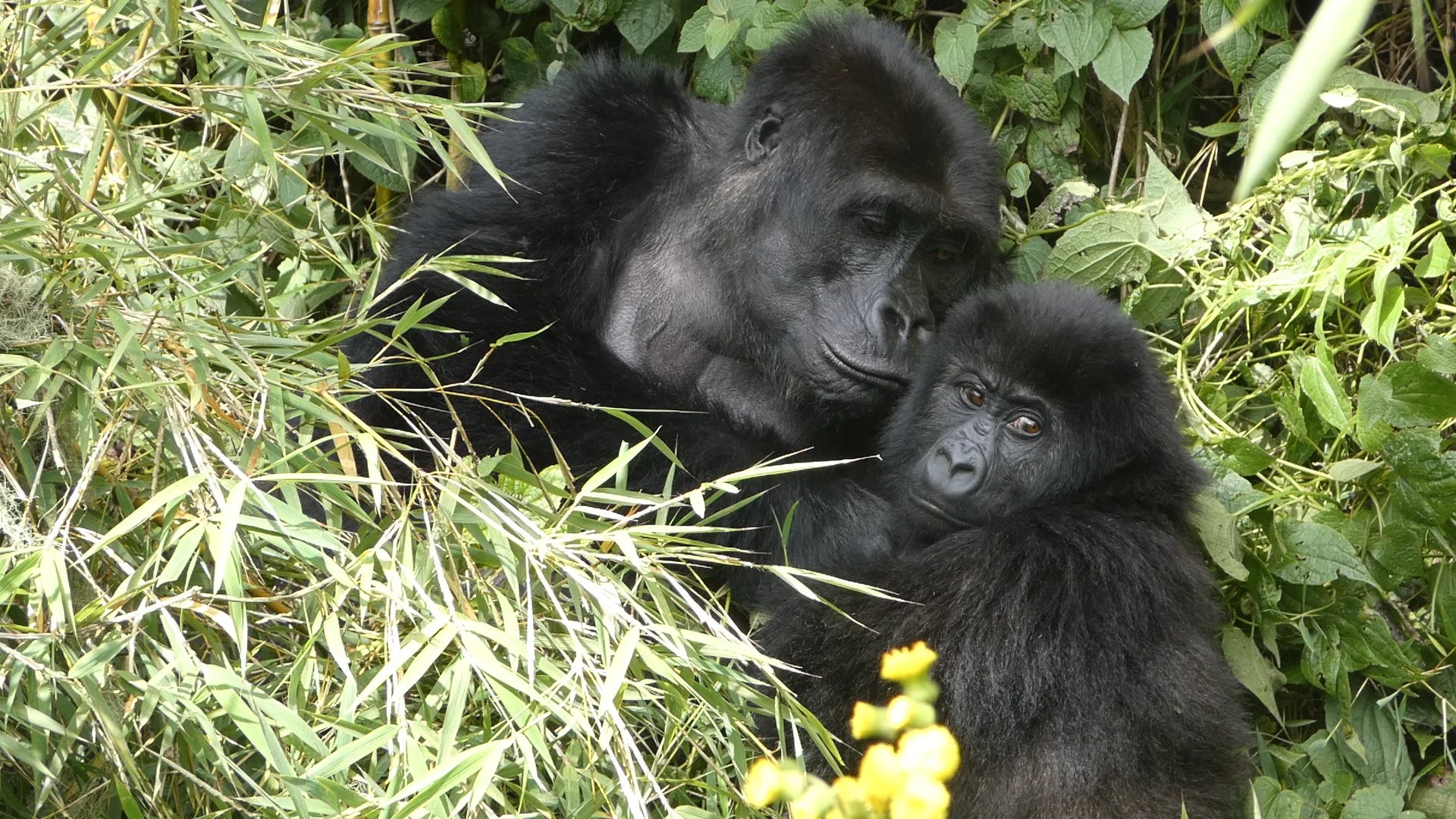
“In the past, people doubted that communities could preserve land, but Tayna has proven for decades that this model works. With CFCLs created through community participation, we see the power of conservation where people and wildlife thrive. These communities are the true stewards of this land, and we conserve with them.”
We hope to invest in additional CFCLs in the coming years, and through monitoring, prove that investing in communities has a positive impact on carbon, biodiversity, and community well-being.