
From record-breaking heatwaves to devastating wildfires and droughts, the effects of El Niño may already be familiar from news headlines. For frontline land defenders and rainforest communities, these extremes can mean failed harvests, dwindling water supplies, and disrupted access to healthcare, among many other effects.
El Niño is more than a climate phenomenon: its impacts can threaten health, livelihoods, and the ecosystems rainforest communities depend on.
Read on to learn how El Niño is affecting key rainforest basins where Health In Harmony works, and how community-led solutions can address these effects long-term.
What is El Niño?
El Niño is a natural climate phenomenon caused by the unusual warming of surface waters in the central and eastern equatorial Pacific Ocean. It alters atmospheric circulation, shifting rainfall patterns and temperatures around the world.
Normally, trade winds push warm surface water west towards Indonesia and the rest of Asia, bringing rain to the region, while cooler, nutrient-rich water rises off the Pacific coast of South America. During El Niño, these winds weaken, allowing warm water to spread eastwards and shifting rain-producing weather systems with it.
Indonesia and other parts of Southeast Asia often experience hotter, drier conditions, increasing the risk of drought and fires. Drought and heightened fire risk can affect the Amazon and northern parts of the country, while southern Brazil may experience increased rainfall and flooding. The precise effects in each region depend on ocean temperatures, land use, and other climate factors.
As of October 2026, El Niño is strengthening and is predicted to peak around December. The World Meteorological Organization (WMO) forecasts that sea surface temperatures in the central and eastern tropical Pacific are forecast to reach record levels during October–December.
The event is expected to influence weather patterns into 2027, although its impacts vary across the regions where Health In Harmony works. Currently, Indonesia is facing the most acute fire-related impacts. Read on to learn more.
Fires in Indonesia
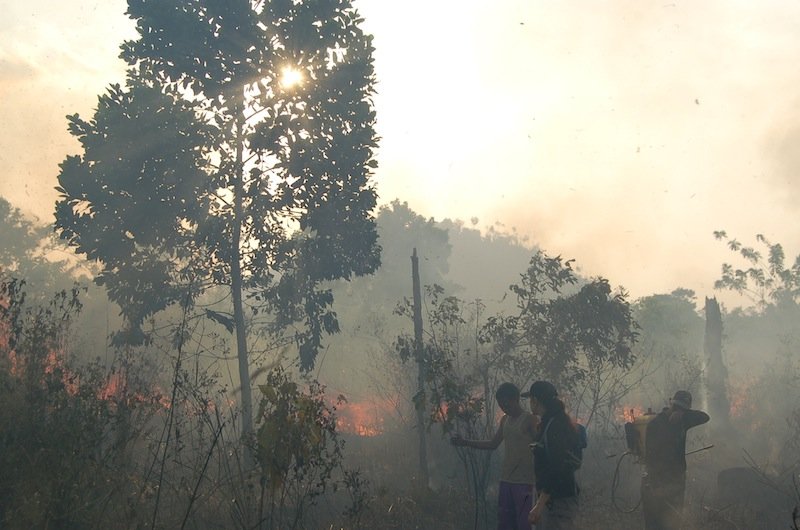
Kalimantan, Borneo, is facing a genuinely historic, nationwide fire emergency. El Niño-related drought is contributing to conditions that make fires more likely and harder to control, alongside peatland degradation and land clearing. As The Financial Times recently reported, catastrophic fires are already causing immediate health risks, and a food crisis is expected due to loss of crops.
“We are not the ones who caused the fires, but why do we have to carry this burden?”
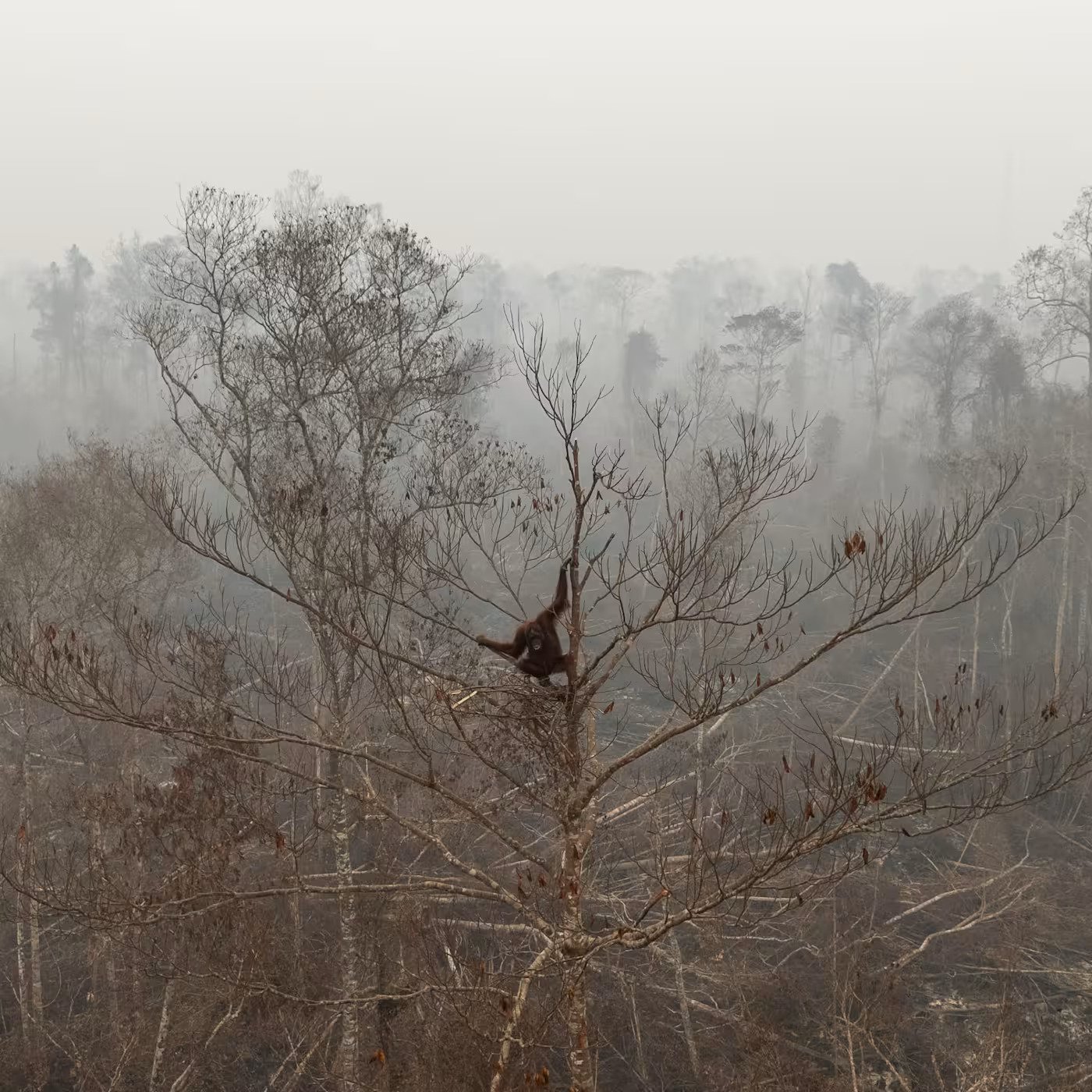
© The Financial Times/Mighty Earth
Roughly 80,000 hectares and 300,000 seedlings have burned in West Kalimantan, where HIH’s Indonesian partner ASRI is located. 1.1 million hectares had burned nationally by early September, and the trajectory is set to be worse than the catastrophic 2015 season by most on the ground accounts. Regional haze has triggered the Association of Southeast Asian Nations’ (ASEAN) highest level transboundary alert, with hazardous air quality reaching Malaysian Borneo, Singapore, and parts of the Philippines.
ASRI has mobilized dozens of staff and community members alongside Gunung Palung National Park authorities and firefighting agencies. Teams are using pumps, hoses, sprayers, and protective equipment to contain the fires. ASRI is also providing health checks and support for responders, extending care to partner agencies’ firefighters and coordinating equipment-sharing with two districts’ disaster agencies.
Wildlife impact has included the loss of one camera trap and the ASRI-supported rescue of three slow lorises, and one critically endangered pangolin, found near the burn area. This is years of community-led reforestation investment now under direct, quantifiable threat, with communities and ASRI staff fighting the fires side by side.
Heat and fire risk in the Brazilian Amazon
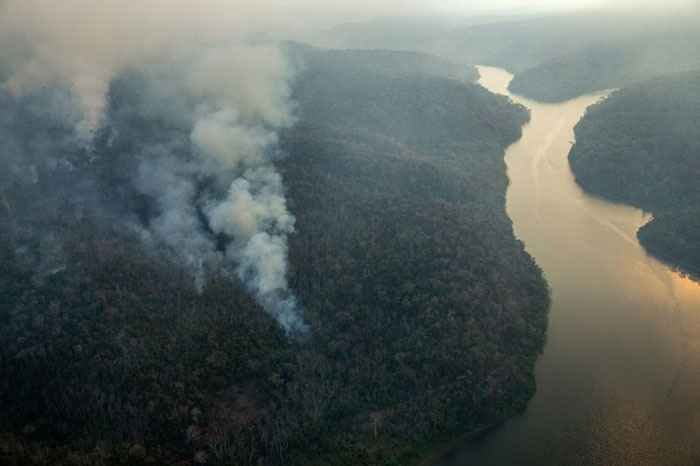
© Correio Braziliense
In Brazil, El Niño can contribute to hotter, drier conditions in parts of the Amazon, increasing fire risk. But fires are not caused by El Niño alone: land clearing, deforestation, and local land conflicts also play significant roles. From August to October 30, fires have affected/broken out in a number of areas in Brazil, including in communities territories where SAMA-HIH and the People’s Climate Coalition works with communities works with communities.
In the Apyterewa Indigenous Territory, Pará, fire broke out in the week of August 16 due to a specific post-eviction land conflict that left behind dry pastureland as fuel. The fire was brought under control in mid-October but burned for more than 50 consecutive days.
A fire broke out in the Riozinho do Anfrísio Extractive Reserve (Resex) on October 7, 2026, after a fire used for clearing land for cultivation spread out of control due to extreme drought conditions. By October 27, the blaze had been burning for nearly 20 days and was still not fully contained. HIH’s Brazilian affiliate SAMA-HIH provided support by procuring two ventilators for the nursing technicians working within the territory.
Communities from the Riozinho do Anfrísio Extractive Reserve and the Xipaya Indigenous Territory participated in a training course on the prevention and control of forest fires. The activity took place in early October. The initiative was supported by HIH via the Juma Institute, and other partners.
In the Arariboia Indigenous Territory, Maranhão, fire broke out in October 2026. The fire is not yet under control.
The El Niño 2026–2027 Panel reports a 95% probability of a very strong El Niño during October–December 2026. Across Brazil, above-average temperatures are expected, alongside drier conditions across the north and centre of the country, potentially intensifying drought and increasing the risk of wildfires in parts of the Amazon. In contrast, southern Brazil is forecast to experience above-average rainfall, bringing an increased risk of flooding. These are seasonal projections, and impacts will vary by region. Brazil’s national El Niño monitoring panel provides the latest regional outlook.
Fire risk and drought in Madagascar
In Madagascar, seasonal fires are an ongoing challenge, often associated with tavy, a slash-and-burn agricultural practice. There is no clear evidence of a distinct El Niño-driven spike in fires in 2026. However, the WMO regional forecast for October–December 2026 highlights a mixed picture: northern and eastern Madagascar are more likely to receive normal to above-normal rainfall, while the south-west is more exposed to below-normal rainfall and drought stress.
Where HIH-FAMI works with communities, around the Manombo Special Reserve in Southeastern Madagascar, a key concern is how changing rainfall patterns could affect food security in communities. Both intense rainfall and prolonged dry spells can threaten rice harvests. In Manombo, farmers rely on a traditional system of gravity-fed irrigation, using natural streams from the forest, terracing, and earthen banks to direct water into their paddies.
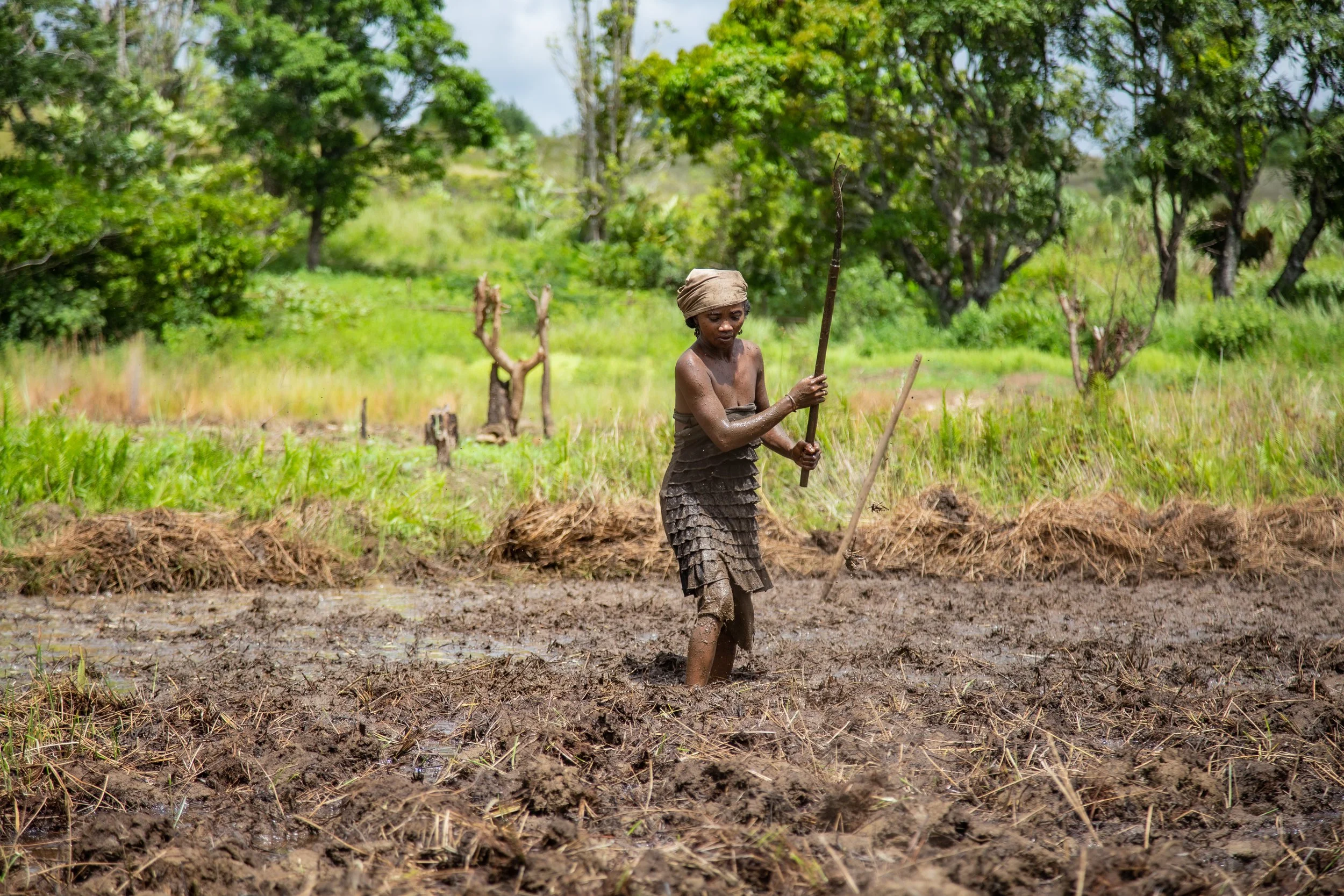
Too much rain can flood fields, while too little can leave crops without the water they need. Either extreme can reduce harvests or cause them to fail. For families raising fish in their rice paddies, fluctuating water levels also threaten their fish harvest, an important source of protein and income.
Community-led solutions and response
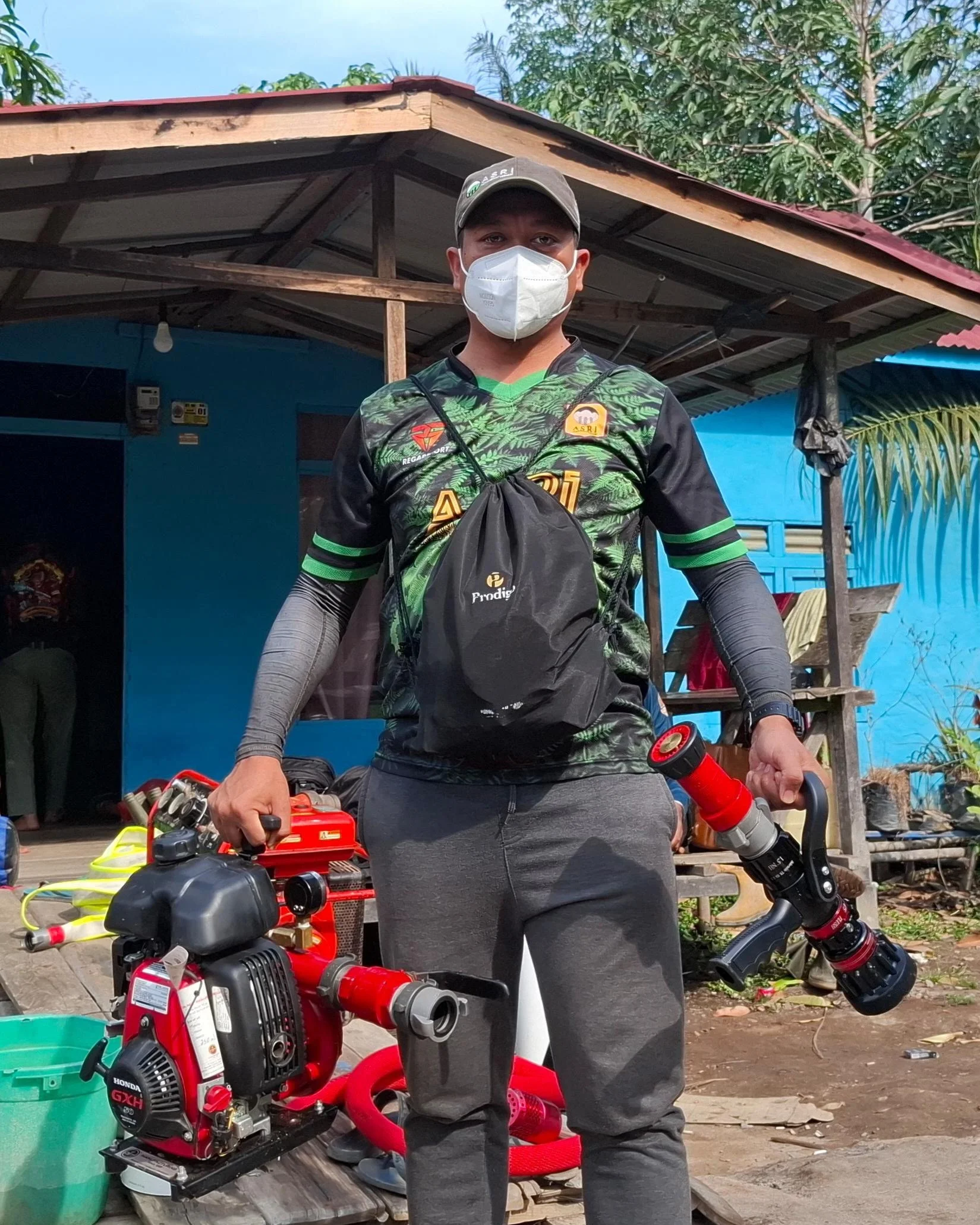
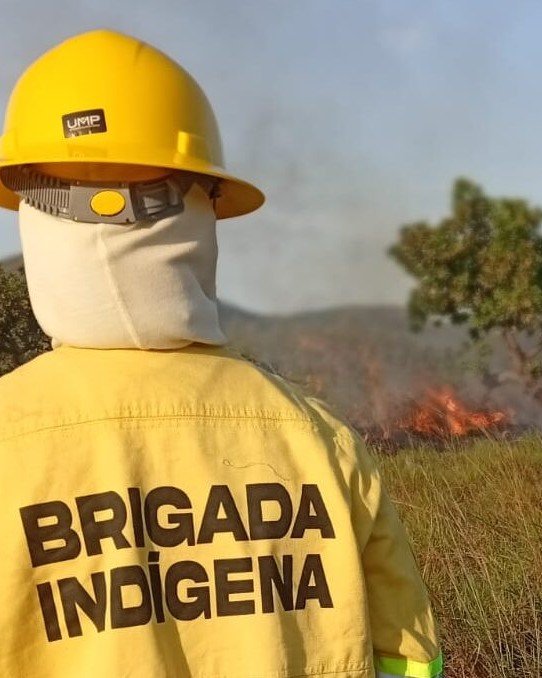
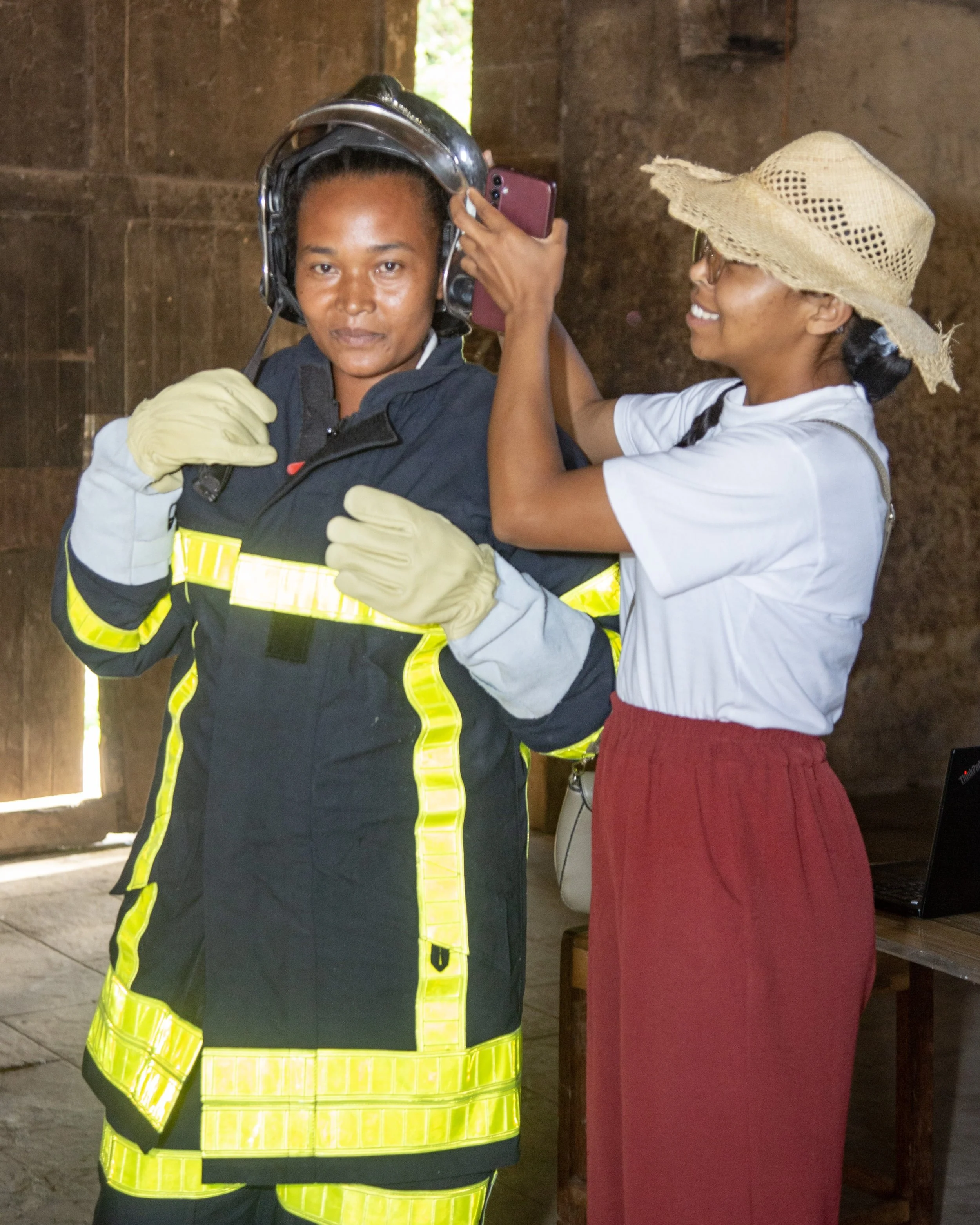
In Indonesia, Health In Harmony has launched an emergency wildfire response fund with local partner ASRI. As Yani Saloh, former Chair of ASRI’s Board, explains: “Our teams treated firefighters, delivered water and masks, and supported emergency kitchens. [They] joined communities and local authorities to fight fires and rescued wildlife.”
In Brazil, Indigenous-led fire management is part of broader efforts to protect territories in communities supported by the People’s Climate Coalition. In Arariboia, the Guajajara People run fire brigades integrated with territorial patrols and monitoring. In Roraima, Indigenous fire brigades are being trained, including an all-women brigade, combining traditional knowledge with drones and monitoring technology.
In Madagascar, HIH-FAMI supports community fire-response training. In Manombo, Forest Guardian patrols use Global Nature Watch and smartphones, maintain firebreaks, distribute firefighting equipment, and conduct joint patrols with Madagascar National Parks. In Ikongo, Forest Guardians monitor fire threats to the Ambositra-Vondrozo Forest Corridor across three communes, supported by firefighting training, awareness campaigns, and efforts to promote sustainable alternatives to tavy.
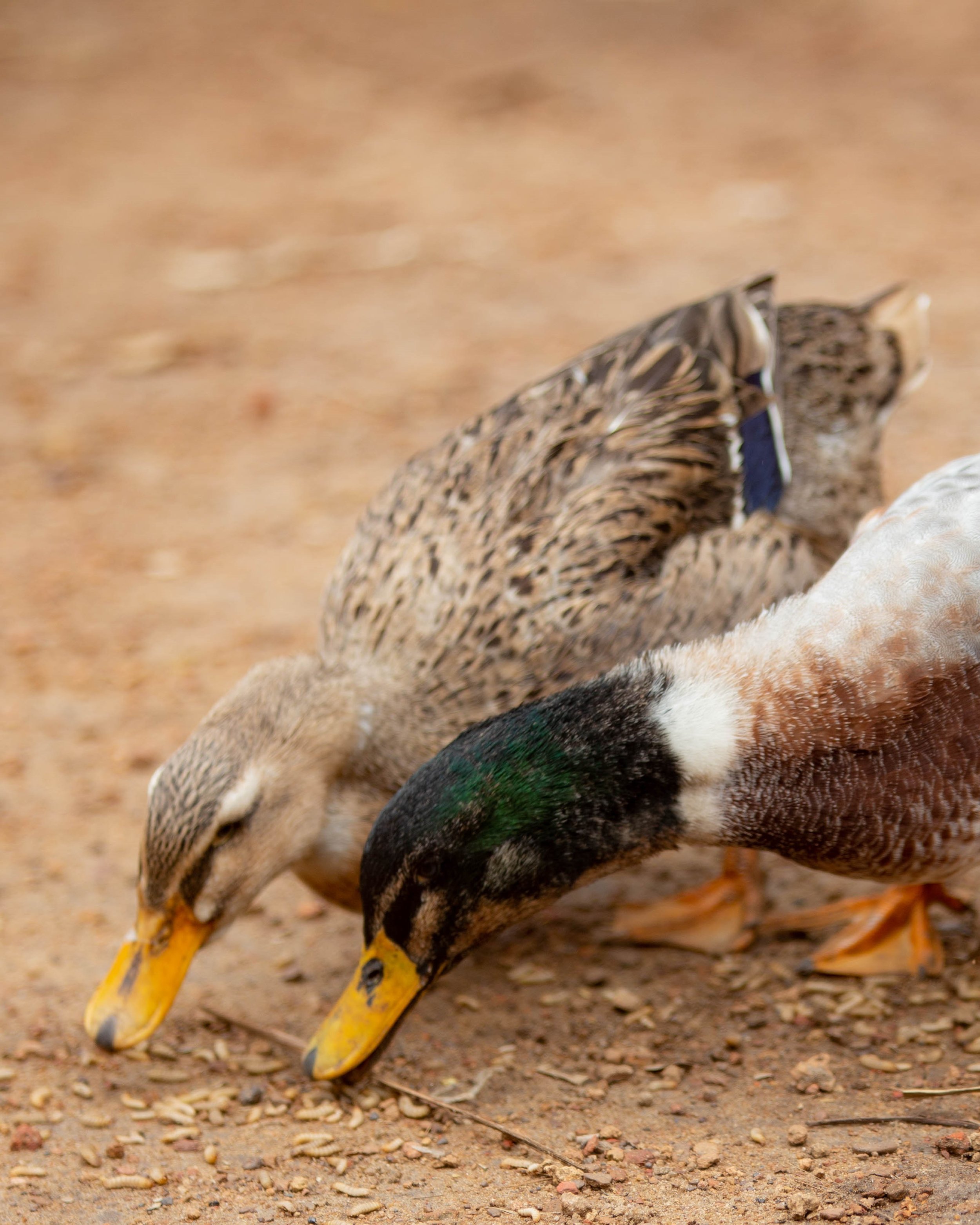
HIH-FAMI also supports communities strengthening food security through training in the System of Rice Intensification (SRI) and improvements to irrigation infrastructure. From December, it plans to introduce rice-duck co-cultivation as another potential source of food and income, supporting farmers diversifying their livelihoods when rainfall becomes less predictable. Black Soldier Fly (BSF) Farming is another community-led strategy to improve food security: communities are using the insects as a protein-rich dietary supplement, nutritious animal feed, and a source of high-quality organic fertilizer, boosting crop yields.
Building strategies for the future
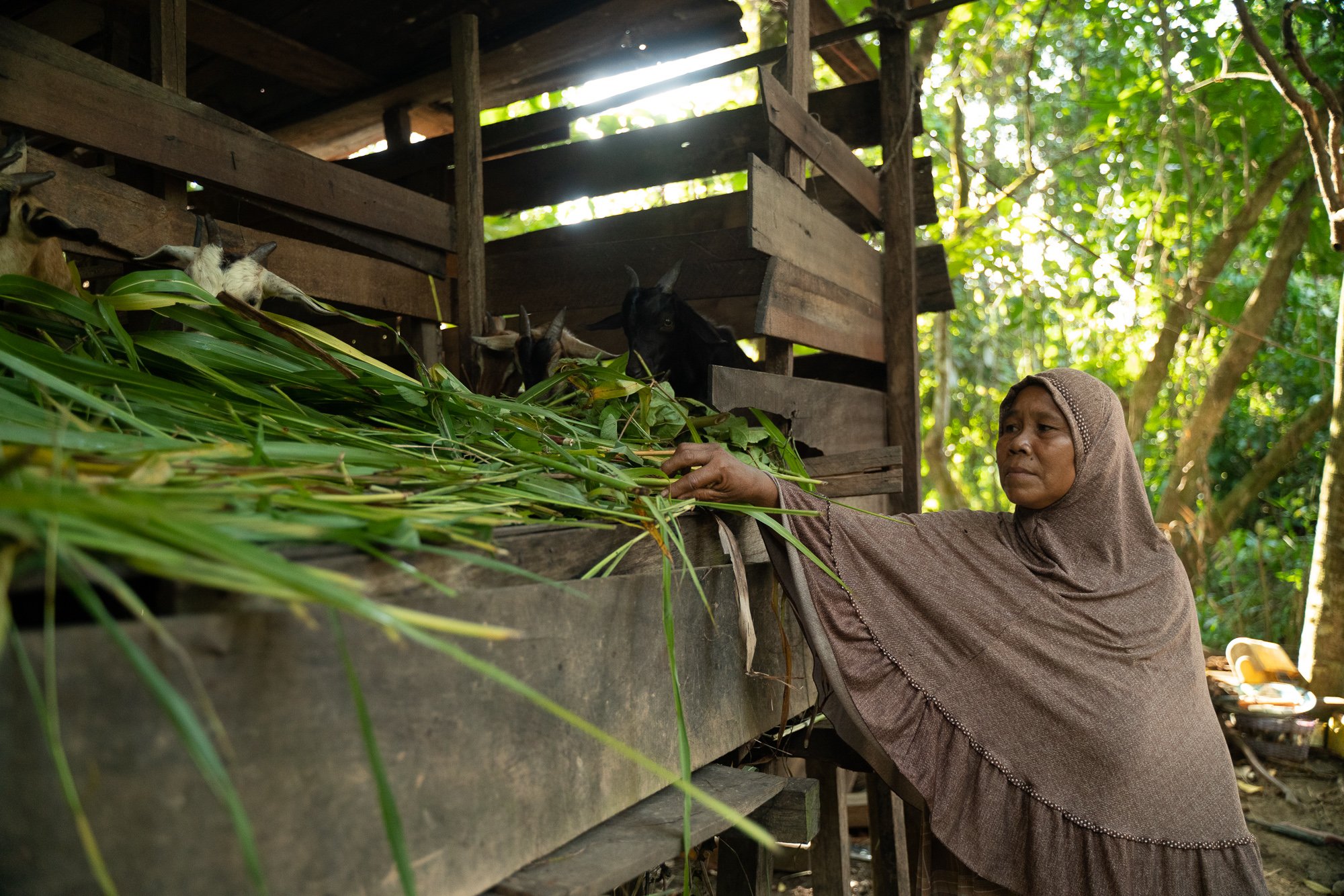
Long-term, community-designed strategies – including firebreaks, patrols, climate-resilient nurseries, and firefighting training – can support communities preparing for future risks.
HIH is also in the process of working with long-term coalition partner Woodwell Climate Research Center on a fire-specific calibration of their Landscape Capital Index, as a way to monitor fire severity and frequency across all HIH program sites year over year, showing how it shifts under El Niño conditions. This would allow HIH and local affiliates to assess whether risk is intensifying at any given site and respond accordingly.
Yet solutions must also address planetary health holistically, recognizing that rainforest health and human health are deeply connected.
Supporting communities to protect forests, strengthen food and water security, diversify livelihoods, and access reliable healthcare bolsters resilience for climate extremes. Stronger local health systems can also maintain essential services during emergencies, while reducing vulnerability to heat stress and climate-sensitive infectious diseases.
By investing in community-designed solutions, you can support rainforest communities in building resistance not just to El Niño, but to the wider climate challenges ahead.