
HIH’s Key Takeaways from London Climate Action Week
In late June, London Climate Action Week (LCAW) took over the UK capital. Health In Harmony attended for the first time as an organization. Here are our key LCAW takeaways:
1. The Importance of Narrative Sovereignty
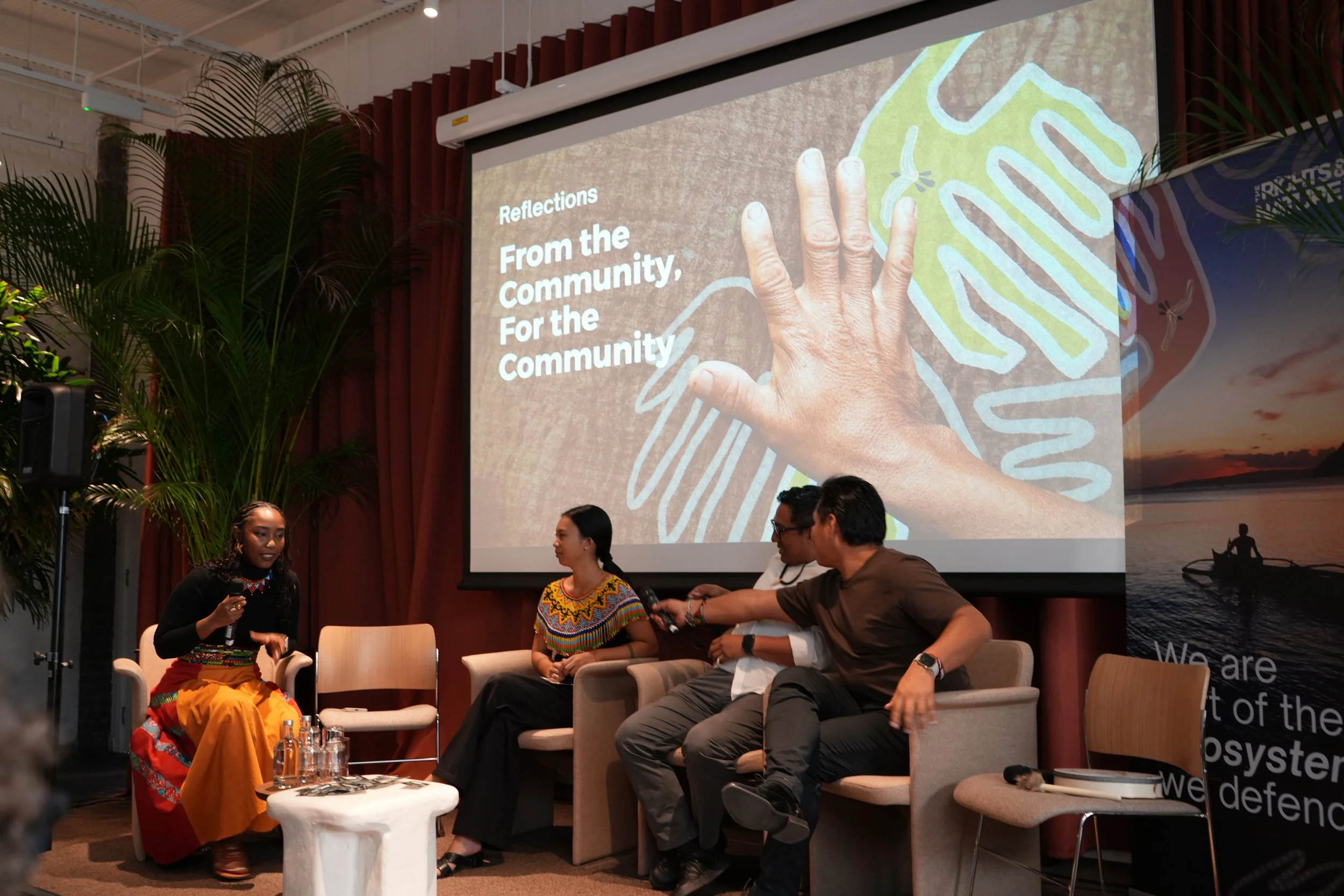
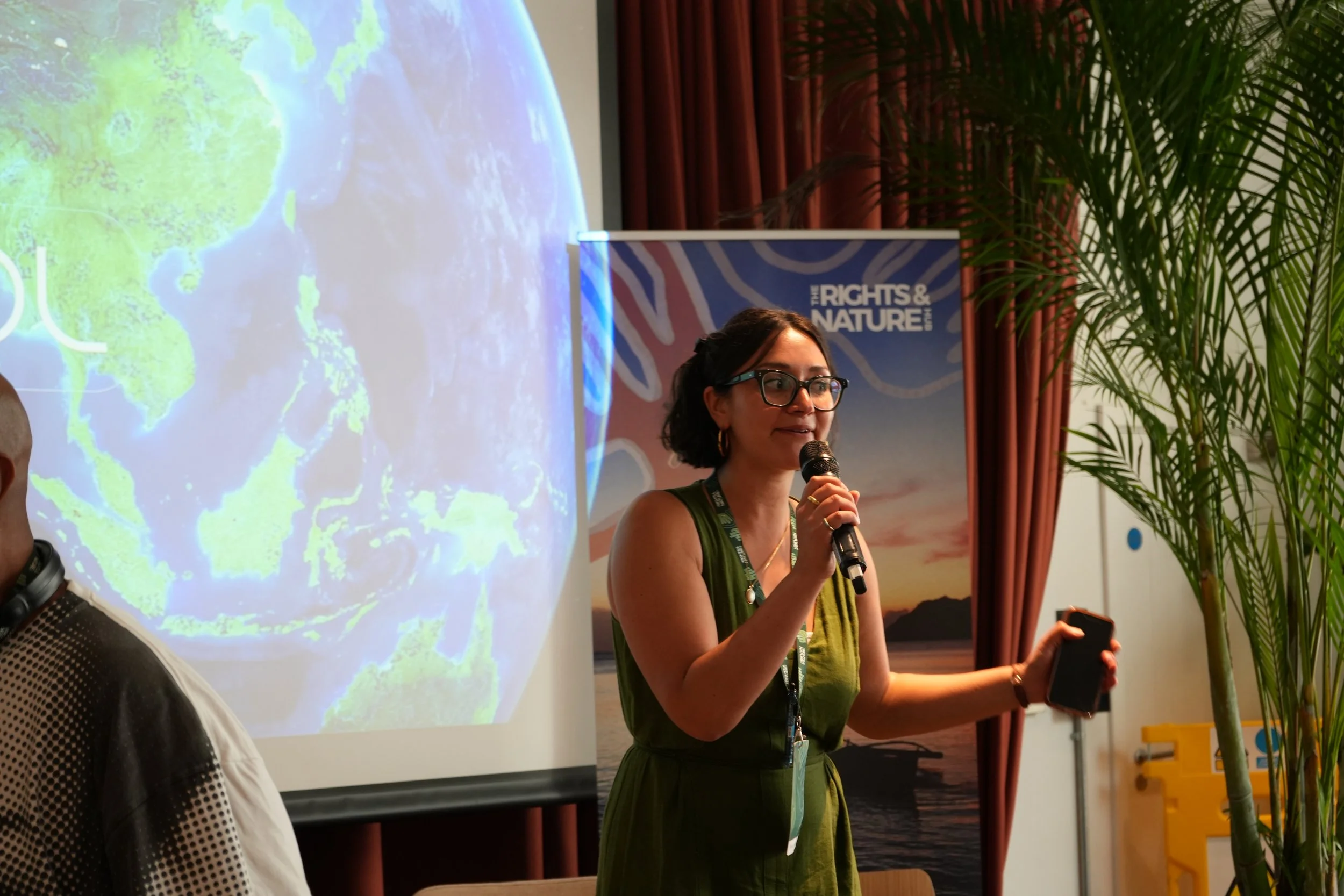
Kicking off LCAW on Monday at the Rights and Nature Hub, Advocacy Manager Belai Djandam represented HIH for the event Beyond Impact: If Not Us Then Who? (INUTW) - Twelve Years of Storytelling, Capacity, and Change.
She joined the stage with speakers including INUTW’s Lucia Ixchíu and Yurshell Rodriquez, Activist & Indigenous Rights Defender, Co-founder, Black & Indigenous Liberation Movement, Leo Cerda, founder of TV Indígena, Olo Villalaz; and activist/artist, and co-founder of Mídia Indígena, Eric Terena.
First, Belai introduced Community Thriving Narratives – an initiative that trains Indigenous communities to tell their own stories, supported by Health In Harmony and INUTW, which launched in 2025.
Contextualizing the initiative, Belai explained the importance of narrative sovereignty from her perspective as an Indigenous environmentalist:
“For too long, those affected by decisions are the least involved, yet most used in materials or talking points. We've seen it ourselves, our stories extracted and shared in rooms we don't have access to and our experiences translated into other languages to serve other people's purposes. INUTW has worked on a systemic dismantling of that, to ensure that Indigenous Peoples, Afro-descendants and local communities are not merely sources of material or content, but our own storytellers, with authority over our own narratives and futures, on our terms.”
2. A different kind of climate week
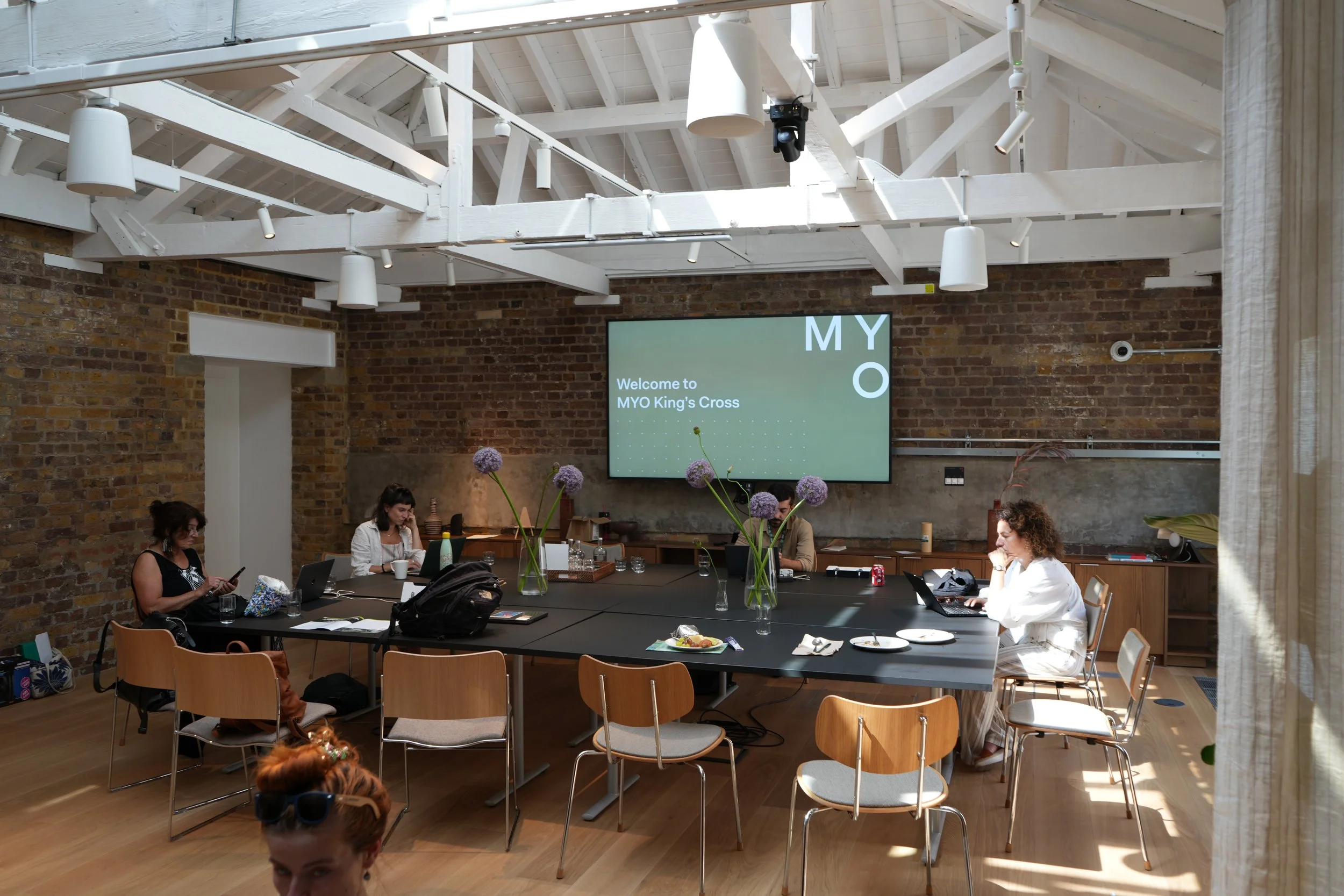
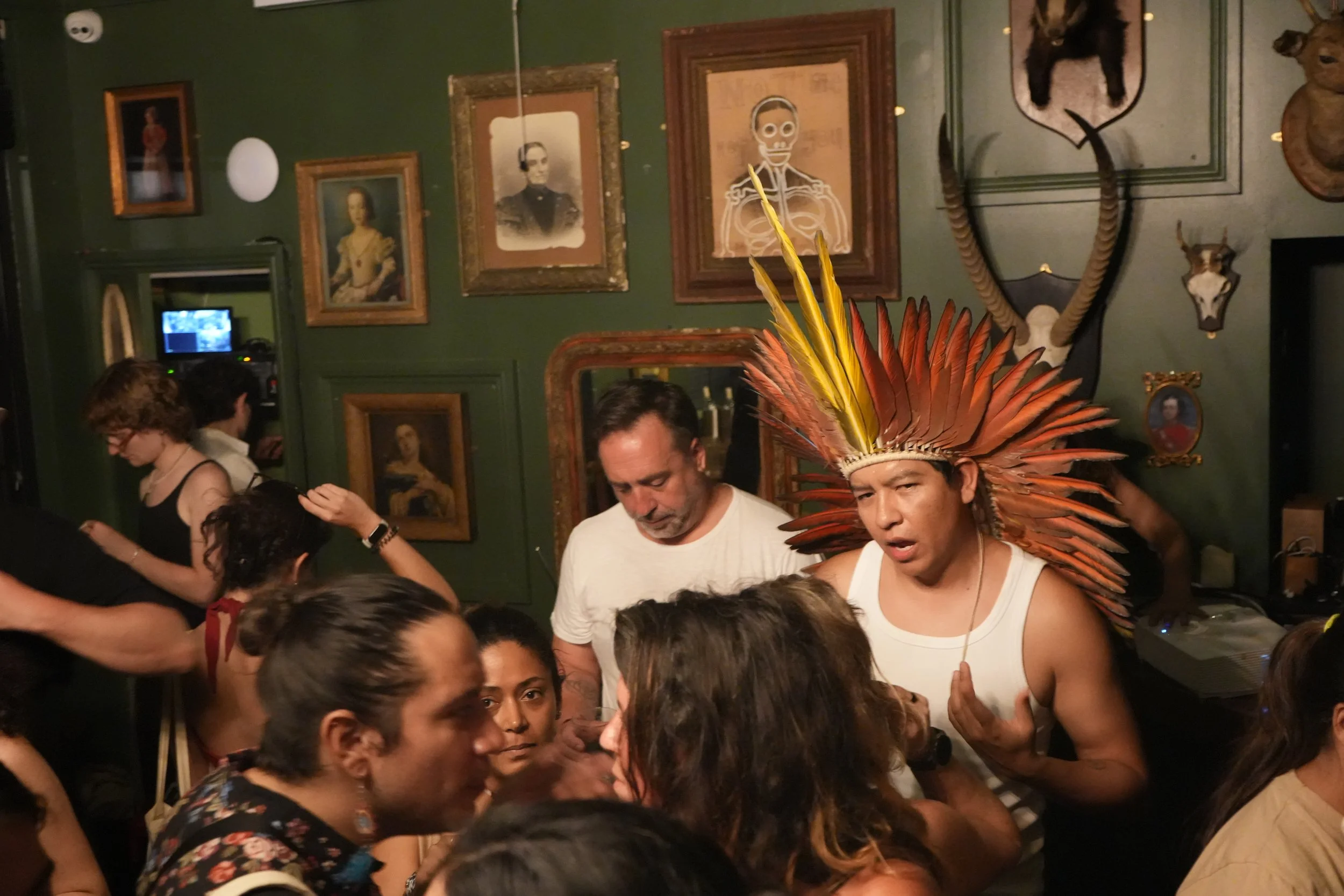

While in many ways, LCAW was more relaxed and fluid than other global climate conferences, yet the backdrop of a record breaking heatwave made getting around difficult and emphasized the urgency of climate action.
Recent data shows a spike in heatwave related deaths in England and Wales in May and June, impressing the material dangers caused by fossil fuels and other emissions, as countries in both the Global North and South continue to experience ongoing heatwaves. As LCAW put it:
“Climate scientists have been clear: human-driven climate change is making heatwaves longer, hotter, more frequent, and more dangerous. Numerous attribution studies have shown that climate change has made specific extreme heat events more likely and more severe [...] What we’re experiencing on London’s streets this week is a live demonstration of the climate crisis playing out in real time.”
3. Lessons from Filling the Basket
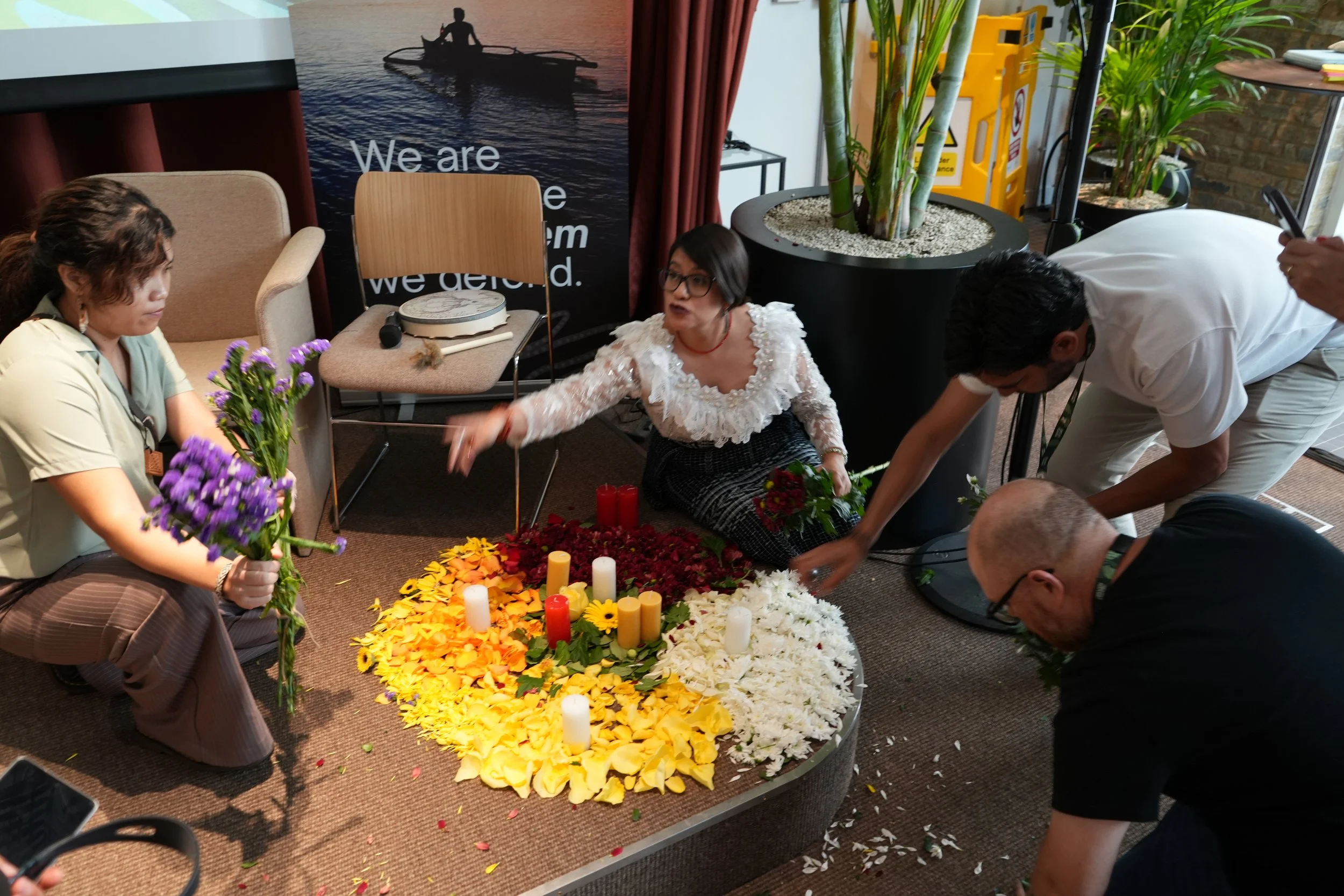
At the intentionally intimate and invitation-only event, Filling the Basket: A Dialogue at LCAW, convened by Belai Djandam and HIH, a group of Indigenous women leaders gathered to discuss the structural, relational, and personal barriers they face when attending these spaces, as well as how rights-based spaces can become genuinely accountable.
As a moment for listening, the dialogue fed the ongoing question of how HIH, as an organization that works besides Indigenous Peoples, Afrodescendants and local communities, can continue to understand and actively dismantle the extractivist nature of events like Climate Weeks, COPs, and the Convention on Biological Diversity.
The event was an important reminder that not every convening has to be technical or have a predetermined deliverable attached to it; there is a clear need for a safe space to simply ‘be’, as well as to discuss ideas off-stage, and that is a resource that these spaces too often do not provide.
With this in mind, HIH will support a similar gathering at New York Climate Week in September.
4. Next steps and policy priorities
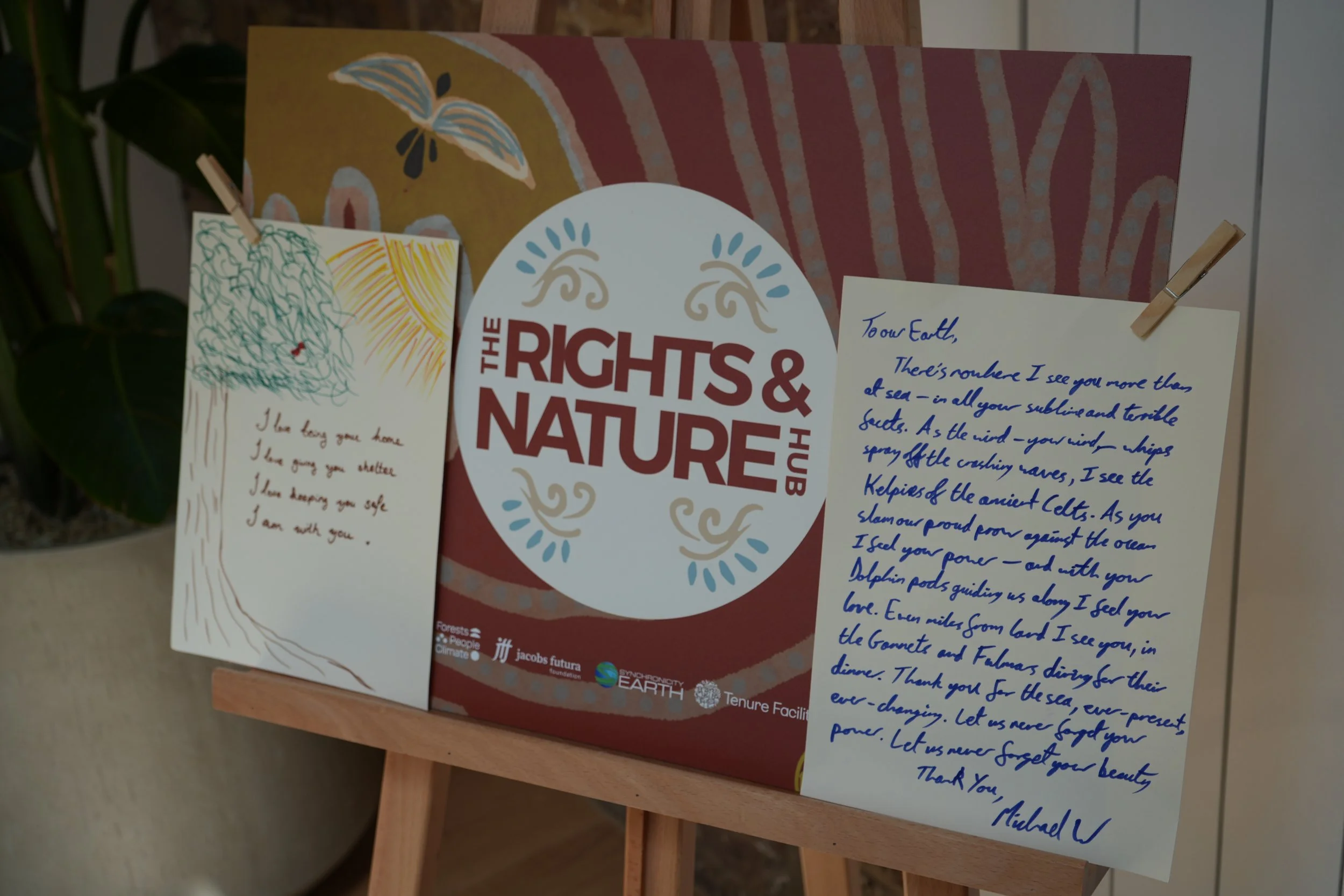
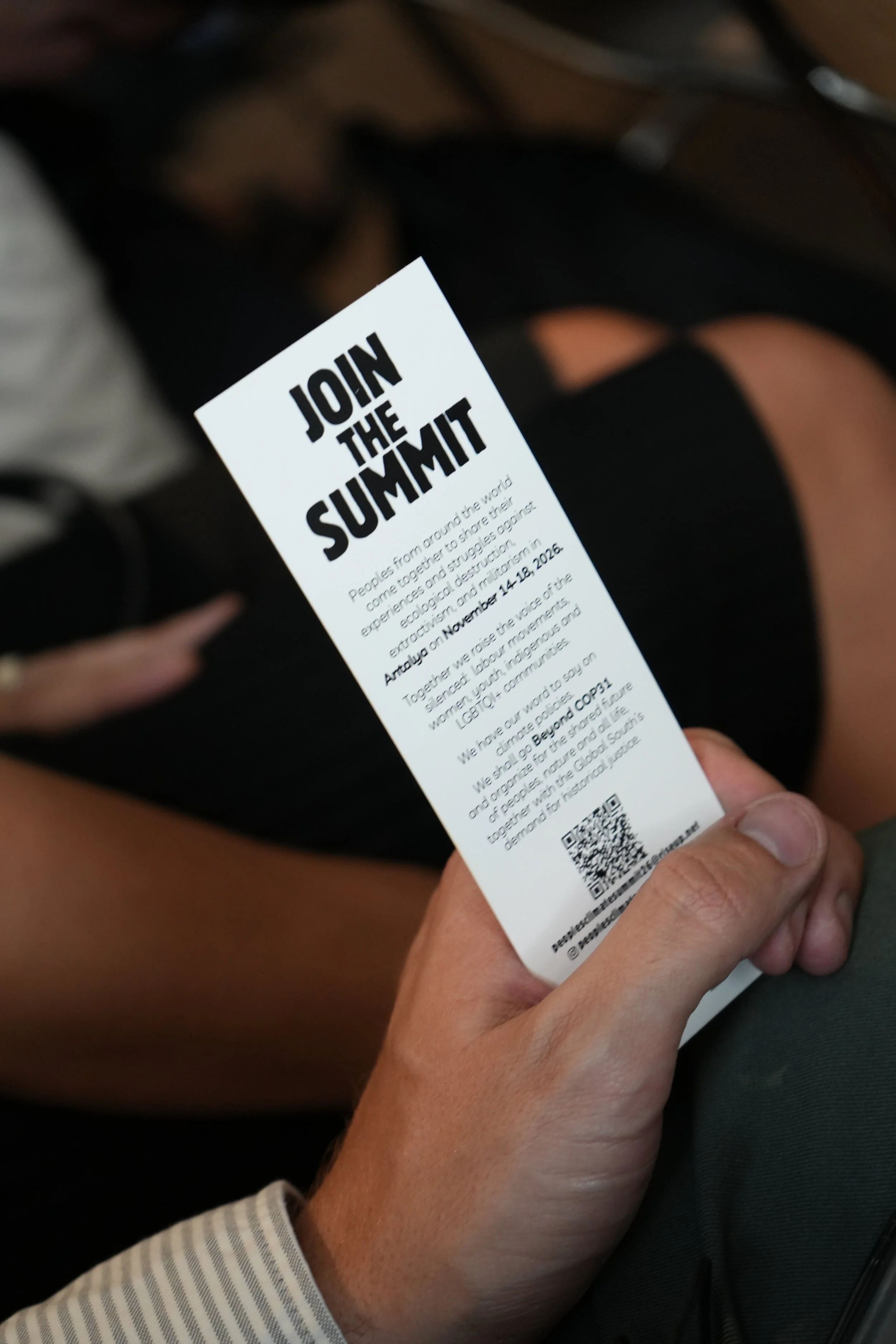
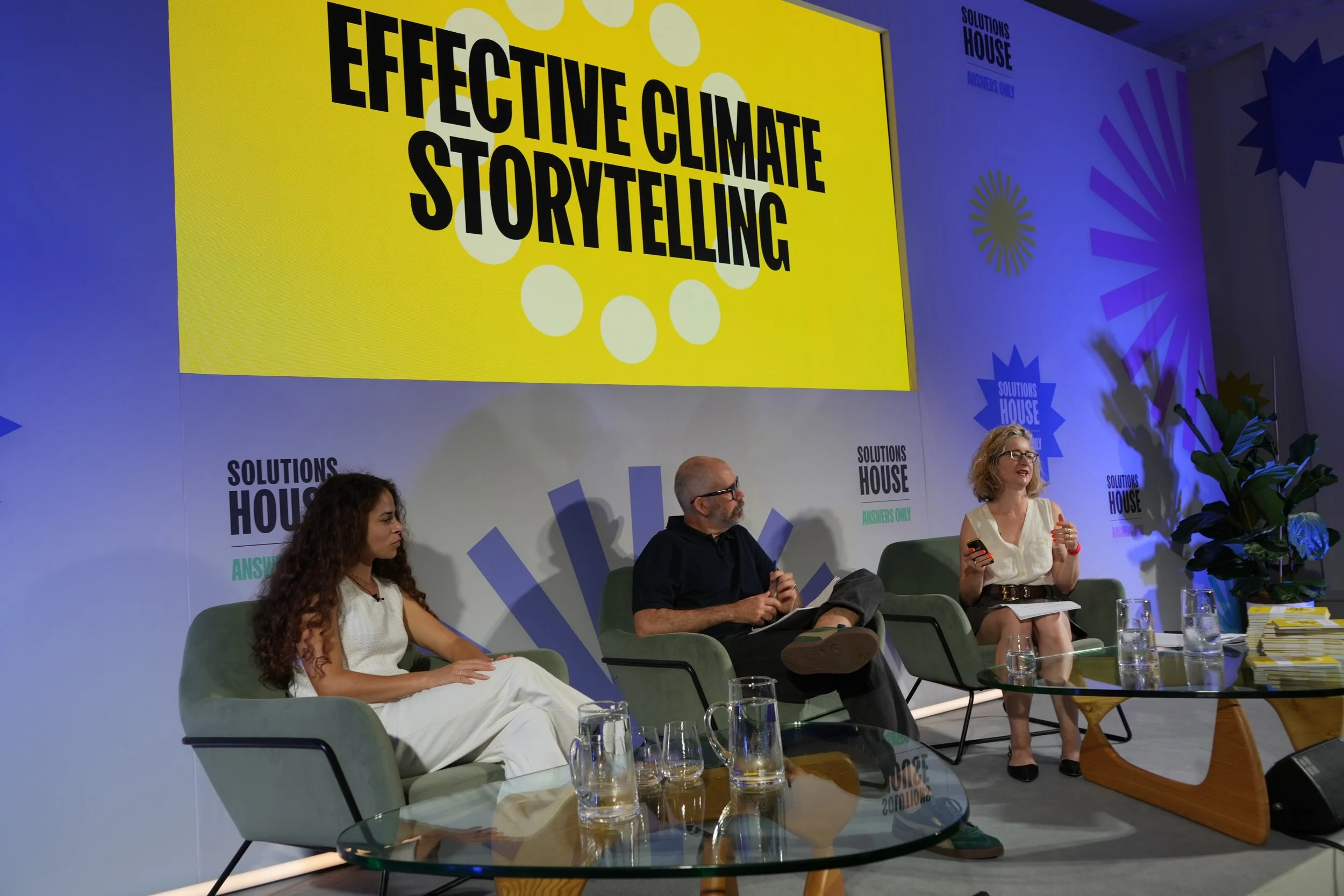
During LCAW, there were several efforts to influence UK policy related to tropical forests, for example the Indigenous-led demonstration opening the week and co-organized by Global Alliance of Territorial Communities, COICA ORG, and Cool Earth, as well as the Interfaith Rainforest Initiative’s Amazon Viva VR session in the House of Lords.
While LCAW is an independent platform, it runs alongside the formal policy processes that take place at the UNFCCC COPs. As a midway point and being able to attract national and global stakeholders to participate, LCAW can become a clear marker of emerging climate priorities.
Many of the discussions we attended (at the Rights and Nature Hub) point to a need for direct financing to communities, Indigenous-led storytelling, and recognition of Rights of Nature to be central to policy discussions.
5. Lastly, joy is crucial
At LCAW there was dancing, laughing, and chatting away from formal panels – some of the many ways in which we solidify the bonds that make real change happen. More joy means more hope – the driving force behind climate action.
At Climate Week NYC, Health In Harmony will build on these takeaways with "The Reciprocity House," a joy-centered space to gather in partnership and collectivity. A collaboration with Tenure, INUTW, Woodwell, and Pawanka, The Reciprocity House will also be a place to reflect on the strategic road ahead, celebrate ongoing impact, and align on actioning the shared movement objectives that came out of LCAW.